We're loading the complete profile of this person of interest including their biography, achievements, and contributions.
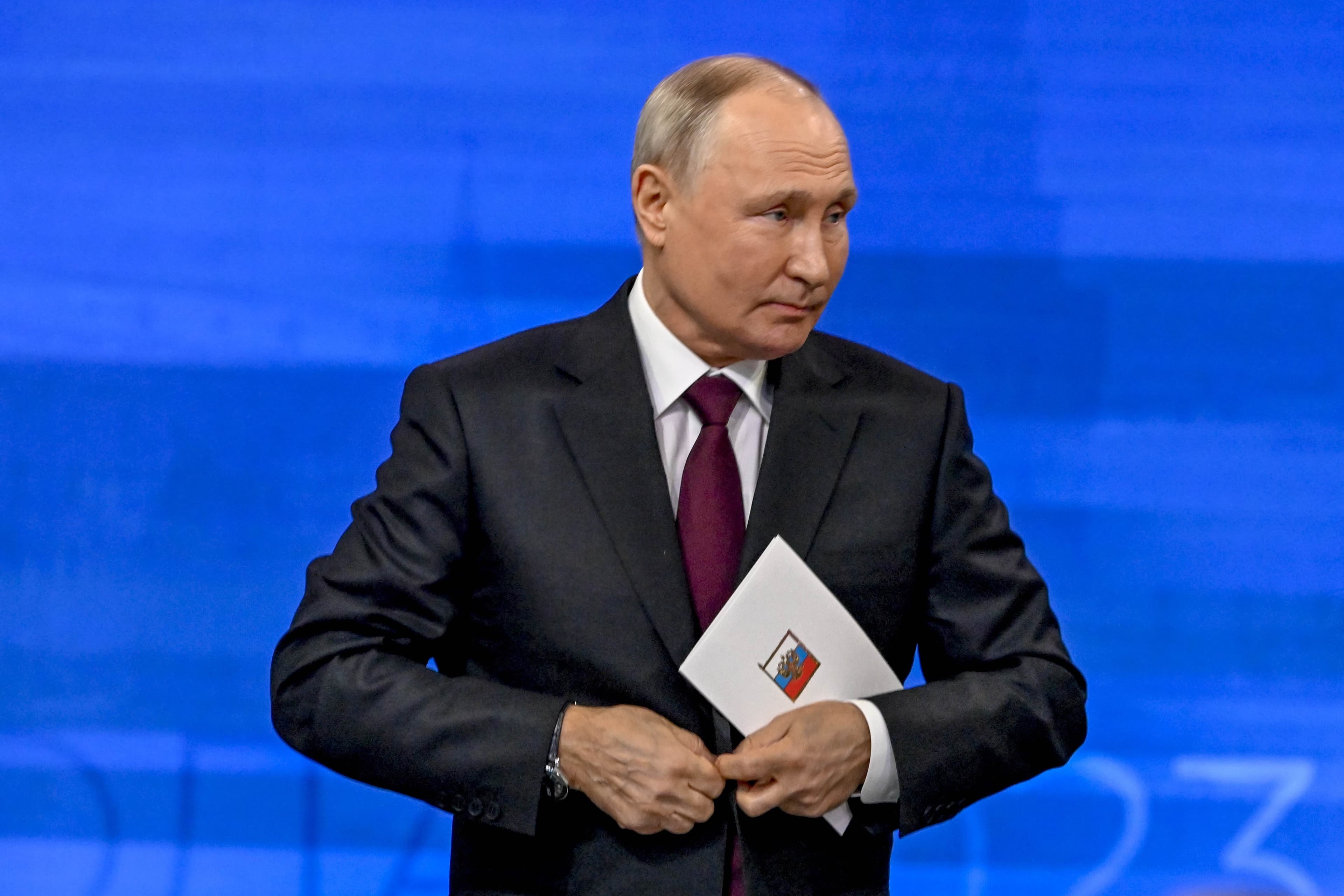
President of the Russian Federation
Public Views
Experience
Documented career positions
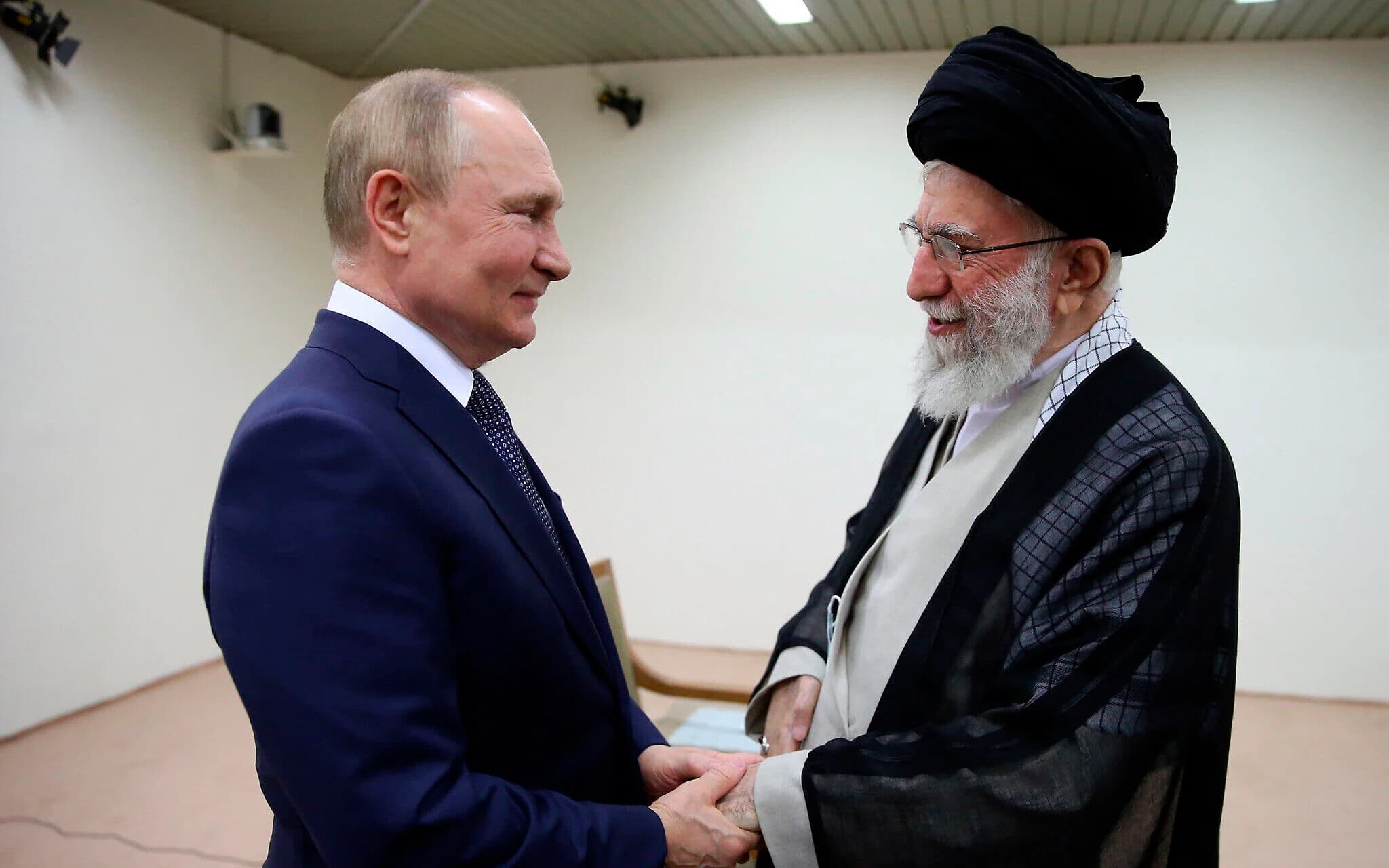
Vladimir Vladimirovich Putin (born October 7, 1952) is a Russian politician, former intelligence officer, and the long-serving leader of the Russian Federation. He has held the presidency since 2012, having previously served in that office from 2000 to 2008. Between his presidential terms, he served as the Prime Minister of Russia from 1999 to 2000 and again from 2008 to 2012. As a central figure in modern Russian history, Putin’s leadership has been characterized by the consolidation of state authority, a shift toward centralized domestic policy, and an increasingly assertive foreign policy that has significantly reshaped Russia's relationship with the West and the international order. Born in Leningrad (now Saint Petersburg), in the Soviet Union, Putin was the youngest of three children of Vladimir Spiridonovich Putin and Maria Ivanovna Putina. His childhood was influenced by the legacy of the Siege of Leningrad, in which his family suffered significant losses. He attended primary and high school in Leningrad, demonstrating an early interest in law and intelligence. Putin studied law at Leningrad State University, graduating in 1975. During his university years, he was required to join the Communist Party of the Soviet Union, a membership he maintained until the party's dissolution in 1991. His early interests also included martial arts, specifically judo and sambo, which he continued to practice throughout his life. Following his graduation, Putin joined the KGB. Over the course of 16 years, he rose to the rank of lieutenant colonel. A defining period of his intelligence career was his service in Dresden, East Germany, from 1985 to 1990, where he operated under a cover identity. Following the collapse of the Communist government in East Germany and his resignation from the KGB in 1991, Putin returned to Saint Petersburg. He entered local politics, becoming an advisor to Anatoly Sobchak, the first democratically elected mayor of the city. Putin’s efficiency in the Saint Petersburg administration facilitated his rapid political rise, eventually leading to his transition to Moscow in 1996, where he joined the presidential staff under Boris Yeltsin. In Moscow, Putin held several high-level positions, including serving as the director of the Federal Security Service (FSB) and secretary of the Security Council. In August 1999, Boris Yeltsin appointed him Prime Minister. Following Yeltsin’s resignation on December 31, 1999, Putin became the acting president. He won his first presidential election in March 2000 and was reelected in 2004. Due to constitutional term limits that prevented more than two consecutive presidential terms, Putin shifted to the role of Prime Minister in 2008, while Dmitry Medvedev served as president. Putin returned to the presidency in 2012, a position he has held through subsequent reelections in 2018 and 2024. Putin's political legacy is defined by a significant reassertion of state control over key sectors of the economy, including energy and media, and the centralization of power within the executive branch. His domestic policies have emphasized national stability, a return to traditional values, and economic development, though they have also drawn widespread international criticism for the suppression of political dissent, the erosion of independent media, and the limitation of civil liberties. On the international stage, his tenure has been marked by a series of geopolitical confrontations, including the annexation of Crimea in 2014 and the full-scale invasion of Ukraine in 2022, actions that led to significant international sanctions and Russia’s diplomatic isolation from much of the West. Regarding his personal life, Putin was married to Lyudmila Shkrebneva from 1983 until their divorce was finalized in 2014; the couple had two daughters, Maria and Katerina. Throughout his presidency, he has maintained a highly guarded and private personal life, rarely discussing his family or personal affairs in public. His image, often carefully curated to project strength and stoicism, remains a focal point of his political branding. As he continues his fifth term as president, his policies and actions remain the primary driver of Russia's domestic trajectory and its role in the global geopolitical landscape.
Maintained absolute control over the Russian Federation for over a quarter of a century, recently securing a fifth presidential term in a heavily managed 2024 election
Successfully pivoted the heavily sanctioned Russian economy away from Europe, forging massive energy and military alliances with China, India, and North Korea
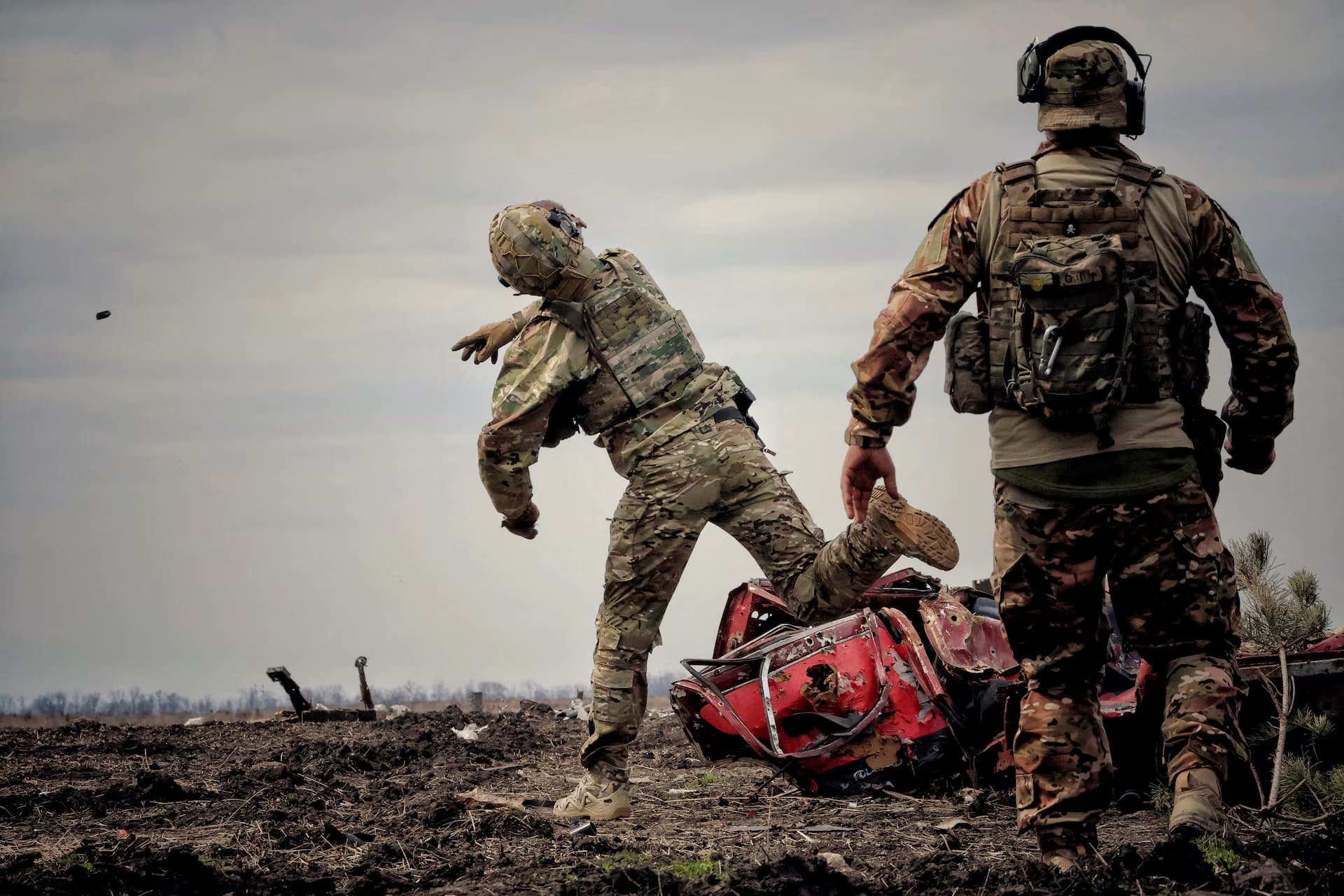
Orchestrated the annexation of Crimea (2014) and the subsequent full-scale invasion of Ukraine (2022) in an attempt to permanently alter the security architecture of Eastern Europe
Indicted by the International Criminal Court (ICC) in 2023 for war crimes, specifically the unlawful deportation and transfer of children from occupied areas of Ukraine to the Russian Federation
Accused by Western intelligence agencies of directing a massive, global campaign of state-sponsored assassinations against political dissidents, journalists, and defectors (e.g., Alexander Litvinenko, Boris Nemtsov, and Alexei Navalny)
Condemned globally for his brutal suppression of internal political opposition, utilizing draconian censorship laws to imprison thousands of Russian citizens protesting the war in Ukraine
News articles featuring Vladimir Putin
Born in Leningrad, USSR, on October 7, 1952.
Graduated from Leningrad State University with a law degree in 1975.
Joined the KGB in 1975 and served as a foreign intelligence officer, reaching the rank of lieutenant colonel.
Stationed in Dresden, East Germany, as a KGB officer from 1985 to 1990.
Appointed as an advisor on international affairs to the Mayor of St. Petersburg in 1990.
Appointed head of the Committee for External Relations of the St. Petersburg Mayor's Office in 1991.
Promoted to First Deputy Mayor of St. Petersburg in 1994.
Appointed Deputy Chief of the Presidential Staff in 1996.
Appointed Director of the Federal Security Service (FSB) in 1998.
Served as Secretary of the Security Council of Russia starting in March 1999.
Appointed Prime Minister of Russia in August 1999.
Became Acting President of the Russian Federation on December 31, 1999, following Boris Yeltsin's resignation.
Elected as President of the Russian Federation in March 2000 and inaugurated on May 7, 2000.
Re-elected as President of the Russian Federation in 2004.
Named Honorary President of the European Judo Union in 2006.
Appointed Prime Minister of Russia in 2008, serving until 2012.
Elected as President of the Russian Federation in 2012.
Awarded the 8th Dan black belt by the International Judo Federation in 2012.
Re-elected as President of the Russian Federation in 2018.
Re-elected as President of the Russian Federation in 2024.
In March 2023, the International Criminal Court issued an arrest warrant for Vladimir Putin, accusing him of responsibility for the war crime of unlawful deportation and transfer of children from occupied areas of Ukraine to Russia.
Following the 2022 full-scale invasion of Ukraine, Putin faced widespread international condemnation and extensive sanctions from multiple nations and the United Nations for violating international law.
In 2016, the Panama Papers leak revealed extensive offshore financial networks linked to Putin's inner circle, sparking global allegations of corruption and hidden wealth, which the Kremlin denied.
Following the death of opposition leader Alexei Navalny in a Russian penal colony in February 2024, many international leaders and human rights organizations held Putin directly responsible for his treatment and political persecution.
A 2017 declassified US intelligence assessment concluded that Vladimir Putin personally ordered an influence campaign during the 2016 US presidential election to undermine faith in the democratic process and harm Hillary Clinton's candidacy.
In January 2016, a UK public inquiry concluded that the 2006 assassination of former Russian spy Alexander Litvinenko in London was 'probably' approved by Vladimir Putin.
During the Second Chechen War (1999–2009), Putin faced significant international criticism and rulings by the European Court of Human Rights for widespread human rights abuses, including torture and extrajudicial killings committed by federal forces.