We're loading the full news article for you. This includes the article content, images, author information, and related articles.
In a private Florida meeting, U.S. envoys Witkoff and Kushner met with a Russian official to discuss energy markets amidst a global crisis.

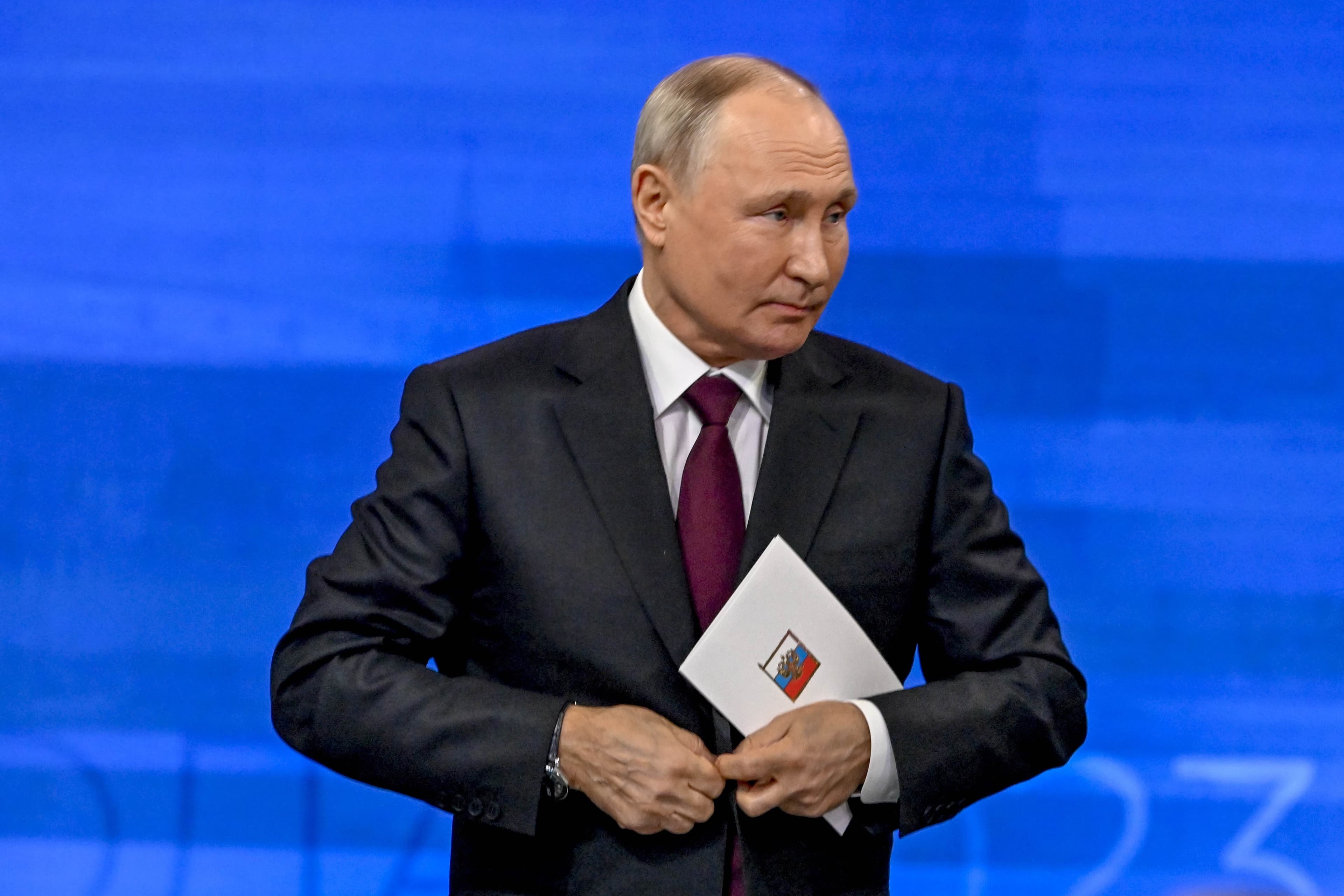
In a private gathering in Florida that has sent ripples of speculation through global capitals, U.S. presidential envoy Steve Witkoff and former White House advisor Jared Kushner met this week with Kirill Dmitriev, a high-level economic envoy for Russian President Vladimir Putin. The meeting, which took place on Wednesday, March 11, 2026, marks an extraordinary expansion of the informal, backchannel diplomacy that has increasingly defined the current administration’s approach to global conflict resolution.
The discussions were primarily focused on the deepening crisis within global energy markets, an instability triggered by the ongoing conflict involving the United States, Israel, and Iran. With global oil prices breaching the USD 100 per barrel mark—a level unseen since 2022—the meeting signals a potential shift in American sanctions policy. As the White House seeks levers to alleviate the crushing inflationary pressures on the U.S. economy, the prospect of easing restrictions on Russian energy exports has emerged as a high-stakes, if controversial, consideration for negotiators operating outside traditional diplomatic channels.
The meeting represents a continuation of the unique, personal diplomatic style preferred by the current U.S. administration. Steve Witkoff, a long-time associate of President Donald Trump, and Jared Kushner have consistently operated at the intersection of business and statecraft, often bypassing the traditional apparatus of the State Department. According to accounts provided by the participants on social media, the Florida meeting involved a delegation led by Dmitriev, head of the Russian Direct Investment Fund, who has frequently acted as the Kremlin’s bridge to Western negotiators.
While the specifics of the “variety of topics” discussed remain guarded, the timing is telling. The meeting occurred as reports emerge that Russia is attempting to leverage its status as a major energy producer to navigate its own economic isolation. Dmitriev has hinted that there is a growing recognition within American political circles regarding the “ineffectiveness and destructive nature” of sanctions against Moscow. This rhetoric suggests that the administration may be positioning itself to trade sanctions relief for energy market stabilization, a maneuver that would reshape the geopolitical landscape of the last four years.
The urgency behind these talks is rooted in the volatile state of the global energy supply chain, which has been fractured by the recent escalation in the Middle East. The effective closure of the Strait of Hormuz—the vital maritime artery through which roughly one-fifth of global oil and liquefied natural gas flows—has created a supply shock that current stockpiles are struggling to absorb. Energy economists note that the situation is no longer a localized conflict but a systematic threat to global growth.
For a country like Kenya, which remains a net importer of petroleum products, this geopolitical maneuvering is not a distant concern it is an economic emergency. The impact of the global energy hemorrhage is transmitted to the Kenyan market within weeks, often resulting in sharp increases at the pump. When global oil prices surge, the pressure is felt immediately in three critical vectors of the domestic economy:
First, it drains foreign exchange reserves. As Kenya spends more KES to procure dollar-denominated fuel, the demand for foreign currency skyrockets, placing intense downward pressure on the Kenyan Shilling. Second, it cascades through the entire value chain. The cost of transporting agricultural produce from hubs like Trans Nzoia or Narok to urban markets in Nairobi is directly tied to diesel prices. Consequently, rising fuel costs act as a hidden tax on the basic shopping basket, disproportionately affecting low-income households.
Third, industrial manufacturing in zones such as Athi River faces escalating overhead. Industries relying on thermal energy or diesel-powered generators to offset grid inefficiencies are seeing profit margins erode. Economists at regional financial institutions warn that should these global prices remain sustained above USD 110 (approximately KES 14,850) per barrel, the government may be forced to divert critical funding from development projects and healthcare to subsidize or stabilize fuel prices, limiting the fiscal space for long-term economic planning.
The use of private citizens like Witkoff and Kushner to negotiate matters of national and global security is without modern precedent, raising significant questions about transparency and institutional accountability. Critics argue that such “track 1.5” diplomacy creates a dual-track foreign policy where standard diplomatic norms are discarded in favor of transactional, opaque agreements. While proponents suggest this model allows for greater speed and flexibility, the lack of oversight inherent in these meetings risks creating misunderstandings between Washington and Moscow.
As the conflict in the Middle East continues to reshape the global order, the reliance on these backchannels suggests that the administration is prioritizing immediate economic relief over long-term strategic alliances. The question remains whether an easing of sanctions on Russia, if it comes to pass, will be viewed as a prudent tactical adjustment to a crisis or a destabilizing concession that undermines the broader international consensus. For the citizens of Nairobi and the wider global community, the answer will be delivered not in diplomatic communiqués, but in the price of fuel at the local pump and the stability of the currency in their pockets. The world watches as Florida becomes the unlikely staging ground for the next chapter of global energy politics.
Keep the conversation in one place—threads here stay linked to the story and in the forums.
Sign in to start a discussion
Start a conversation about this story and keep it linked here.
Other hot threads
E-sports and Gaming Community in Kenya
Active 9 months ago
The Role of Technology in Modern Agriculture (AgriTech)
Active 9 months ago
Popular Recreational Activities Across Counties
Active 9 months ago
Investing in Youth Sports Development Programs
Active 9 months ago
Key figures and persons of interest featured in this article