We're loading the full news article for you. This includes the article content, images, author information, and related articles.
Russian Foreign Minister Sergei Lavrov rejects unfavorable peace terms with Ukraine, citing past agreements and signaling a prolonged diplomatic stalemate.
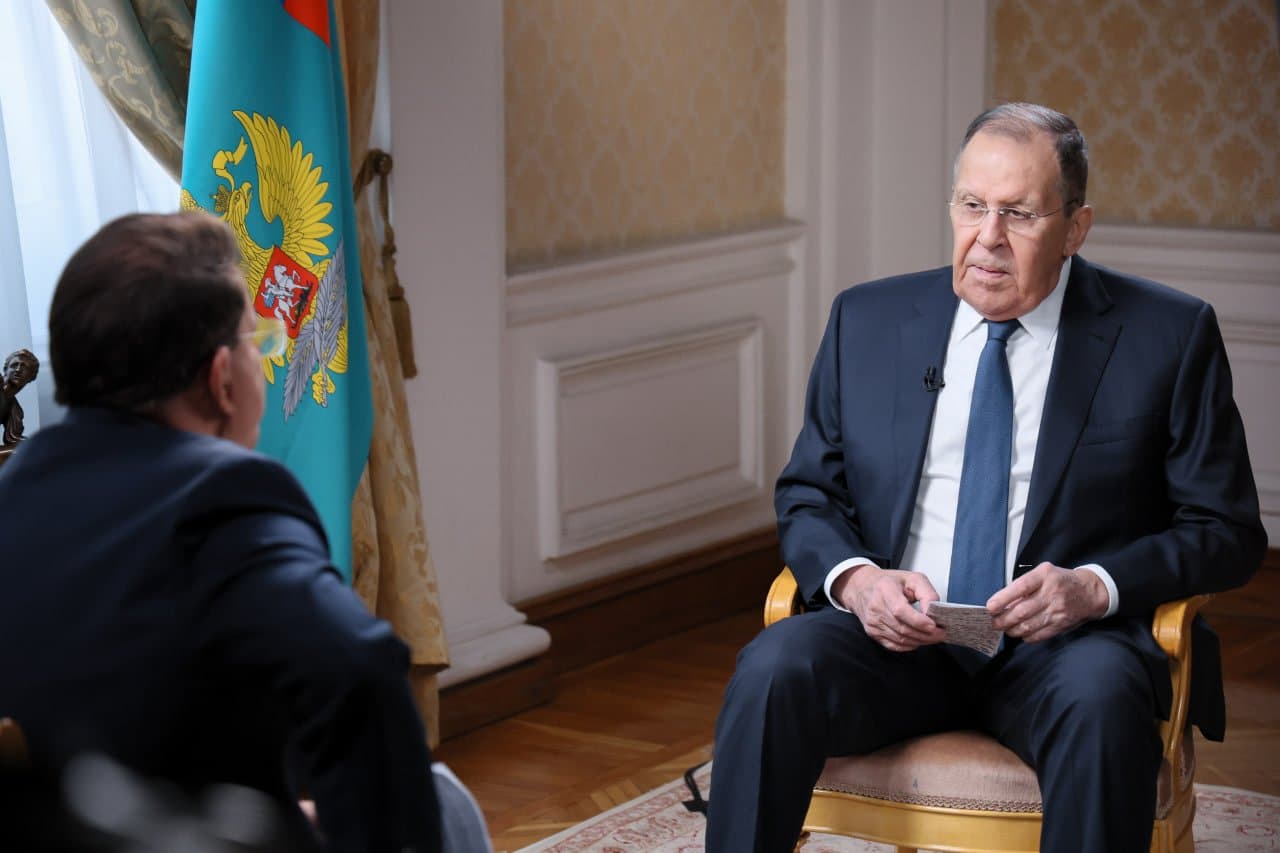
The diplomatic corridors of Moscow have turned icy as Foreign Minister Sergei Lavrov draws a line in the sand regarding the future of Ukraine.
Russia’s flat rejection of "unfavorable" terms signals a hardening of positions that threatens to prolong the conflict despite the growing global clamor for a ceasefire.
In a defiant address to the State Duma, Russian Foreign Minister Sergei Lavrov has unequivocally stated that Moscow will not sign any peace treaty with Ukraine that it deems detrimental to its national interests. "We will not accept a peace that is a defeat in disguise," Lavrov declared, his tone leaving little room for ambiguity. This statement serves as a stark rebuttal to recent diplomatic overtures from the West and underscores the Kremlin’s resolve to secure its strategic objectives, regardless of the economic or political cost.
Lavrov’s speech was notable for its reference to the "Alaska Understandings," a series of agreements reportedly reached between President Vladimir Putin and U.S. President Donald Trump during a summit in August 2025. According to Lavrov, these understandings form the only acceptable basis for a long-term settlement. By invoking this past diplomatic framework, Russia is effectively telling the current negotiators that the terms of engagement have already been set and are not up for renegotiation. This move complicates the position of European mediators, who have been pushing for a fresh approach to the crisis.
"We are ready for compromise, but not capitulation," Lavrov emphasized. He reiterated that any settlement must address the "root causes" of the conflict—a euphemism often used by Moscow to refer to NATO expansion and the status of Russian-speaking populations in Ukraine. The insistence on these core demands suggests that the gap between the warring parties remains a chasm.
The prospect of peace seems to be retreating further onto the horizon. Lavrov’s comments indicate that Russia is prepared for a protracted conflict rather than a hasty peace. The invocation of the Trump-Putin talks adds a layer of geopolitical complexity, hinting at Moscow’s strategy of waiting out Western political cycles.
For the people of Ukraine, and indeed the world, the message from the Duma is grim: the guns will not fall silent until Russia’s terms are met. The war of attrition continues, fought now with words as viciously as with shells.
Keep the conversation in one place—threads here stay linked to the story and in the forums.
Sign in to start a discussion
Start a conversation about this story and keep it linked here.
Other hot threads
E-sports and Gaming Community in Kenya
Active 9 months ago
The Role of Technology in Modern Agriculture (AgriTech)
Active 9 months ago
Popular Recreational Activities Across Counties
Active 9 months ago
Investing in Youth Sports Development Programs
Active 9 months ago



