We're loading the complete profile of this person of interest including their biography, achievements, and contributions.
President of Algeria
Born
1945(81 yrs)
County
Algiers
Public Views
Experience
Documented career positions
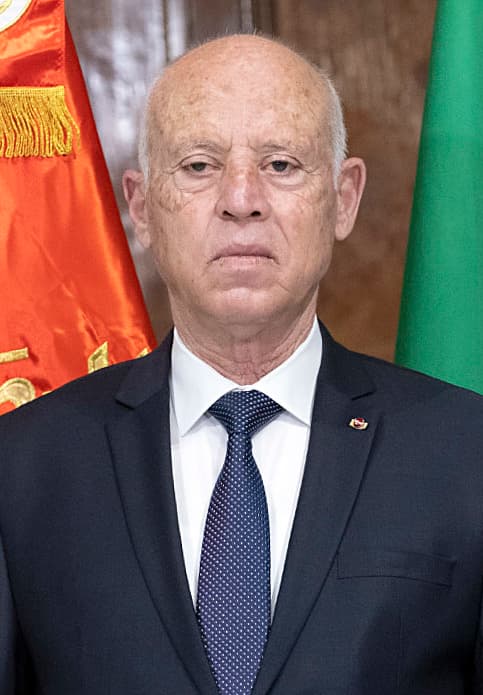
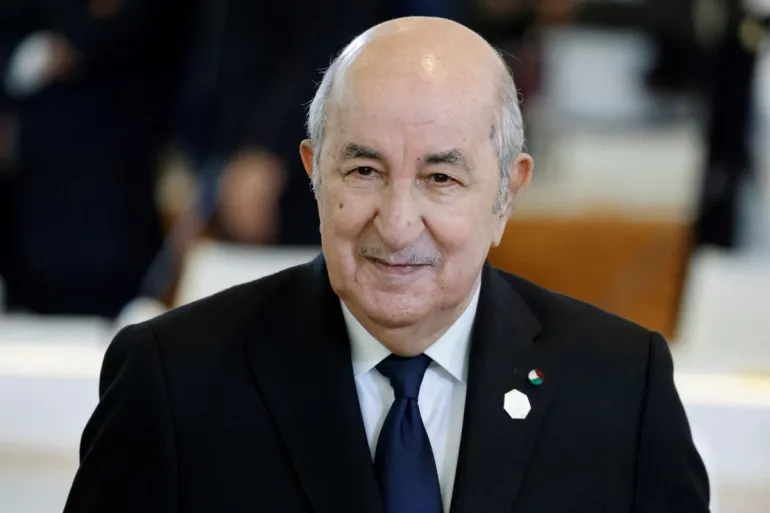
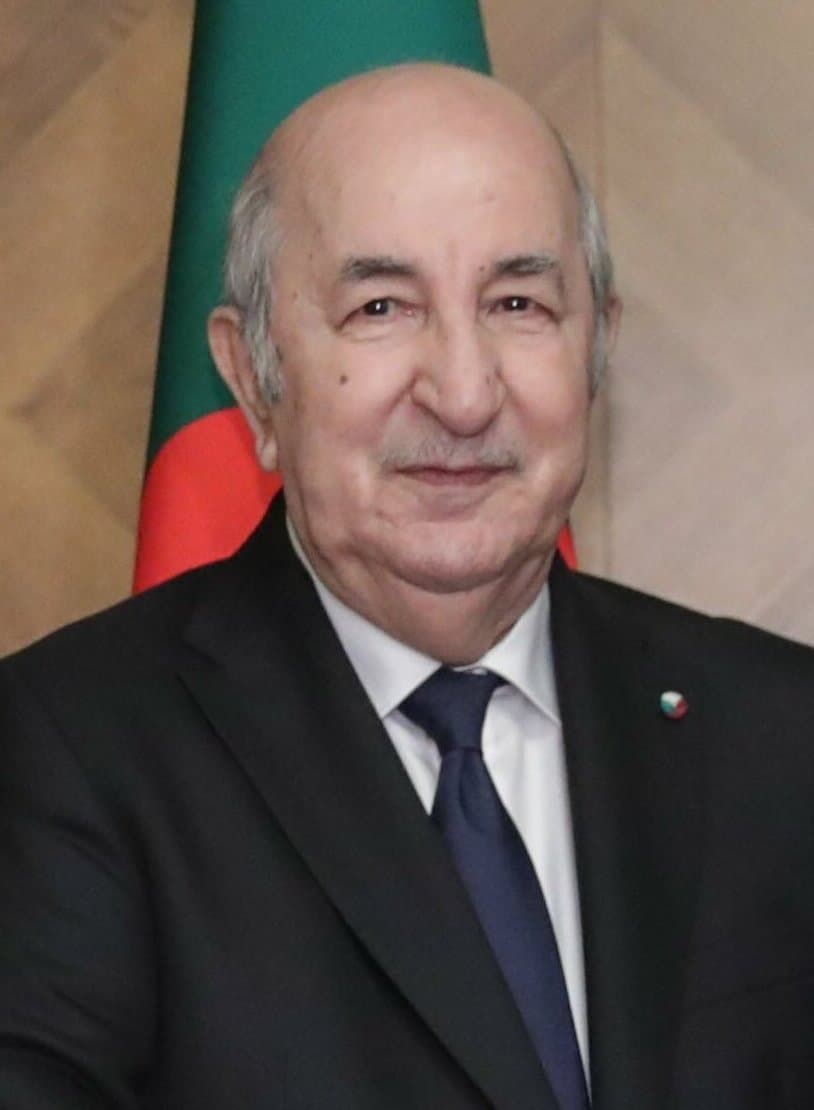
Abdelmadjid Tebboune, born 17 November 1945, is the President of Algeria, having assumed office in December 2019 after a pivotal election held in the aftermath of the mass Hirak protest movement. A long-serving civil servant and technocrat, Tebboune previously held several ministerial portfolios — including Housing and Urban Development — and briefly served as Prime Minister in 2017. His rise to the presidency marked Algeria’s first political transition following the end of Abdelaziz Bouteflika’s two-decade rule. Tebboune positioned himself as a reformist figure capable of stabilizing the state while responding to popular demands for transparency, accountability, and institutional renewal. Since taking office, Tebboune has focused heavily on constitutional and institutional reforms, including a 2020 referendum that revised presidential powers and introduced term limits. His government has promoted efforts to diversify Algeria’s economy away from its heavy dependence on hydrocarbons, supporting initiatives in agriculture, manufacturing, digitalisation, and SMEs. On the international stage, Tebboune has sought to reassert Algeria’s diplomatic weight in North Africa, the Sahel, and the Arab world, restoring an activist foreign policy shaped around non-alignment, mediation, and regional security leadership. His presidency, however, continues to face significant pressures, including economic vulnerability, continued public mistrust, and questions about the pace of political reform.
Oversaw Algeria’s 2020 constitutional reform, introducing presidential term limits, new institutional checks, and provisions responding to the Hirak movement’s demands.
Launched economic diversification programmes aimed at reducing Algeria’s reliance on oil and gas, with incentives for agriculture, manufacturing and digital sectors.
Limited legitimacy due to low voter turnout: His election and the 2020 constitutional referendum saw historically low participation, raising questions about popular mandate.
Ongoing detentions of activists and journalists: Despite reformist rhetoric, authorities continue to arrest Hirak activists and restrict press freedoms.
Slow pace of political liberalisation: Critics argue that promised democratic reforms have been inconsistent or incomplete, maintaining core elements of the old political order.
News articles featuring Abdelmadjid Tebboune
Reasserted Algeria’s foreign-policy presence, strengthening roles in African Union diplomacy, Arab League affairs, and regional security cooperation in the Sahel.
Expanded social welfare and housing programmes, continuing long-standing national efforts but with added emphasis on transparency and anti-corruption.
Economic strain despite diversification efforts: High unemployment, inflation, and dependence on hydrocarbon revenues continue to challenge his administration and expose structural weaknesses.