We're loading the full news article for you. This includes the article content, images, author information, and related articles.
South Africa has successfully repatriated citizens lured into the Russia-Ukraine war, exposing a vast mercenary recruitment network.
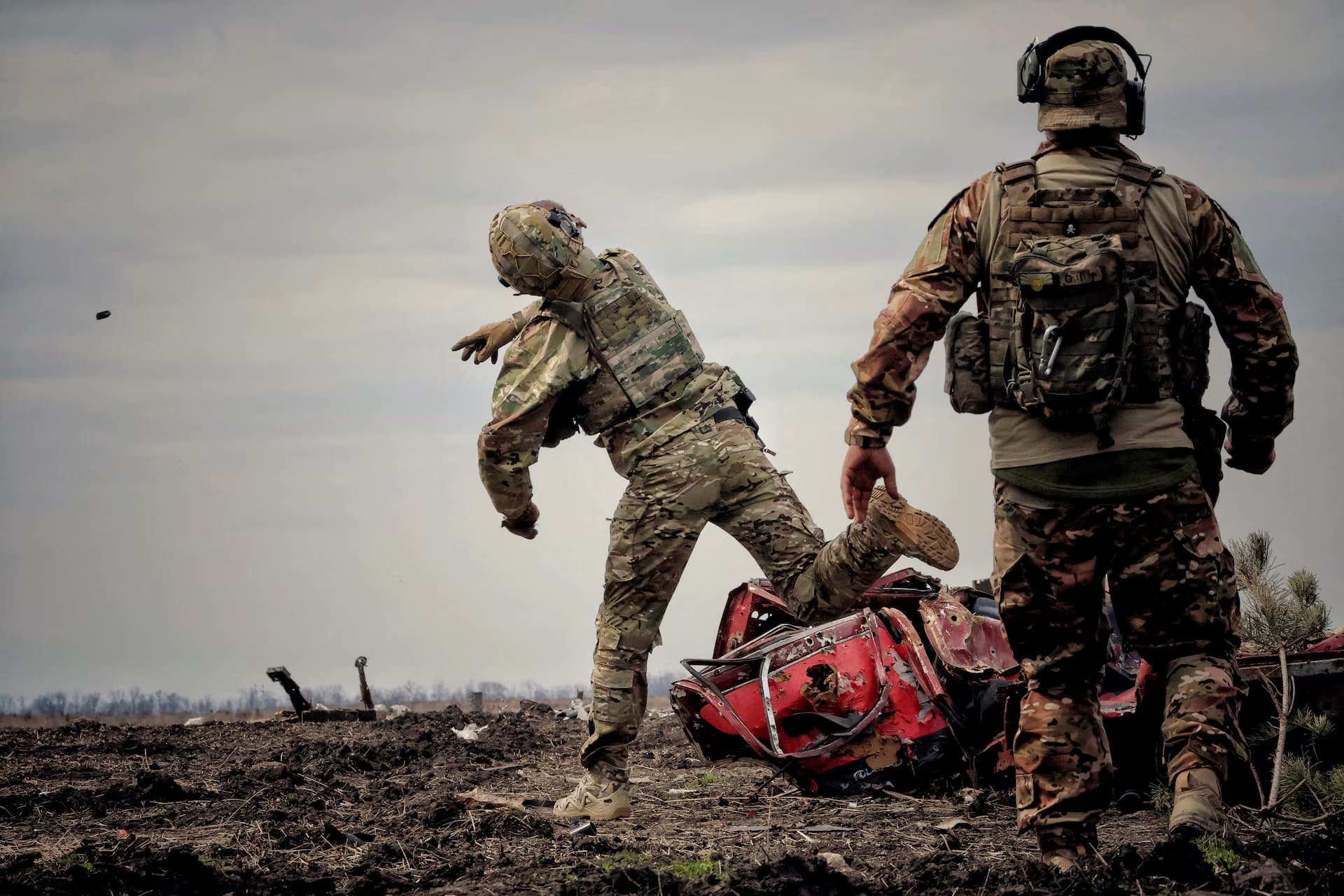
South Africa has successfully repatriated citizens lured into the Russia-Ukraine war, exposing a vast, deceptive mercenary recruitment network that has ensnared thousands across the continent, including Kenya.
The harrowing repatriation of South African youth lured onto the freezing frontlines of the Russia-Ukraine war has laid bare a sophisticated, continent-wide mercenary recruitment network. This sinister operation maliciously exploits the severe economic desperation of young African men.
President Cyril Ramaphosa's urgent diplomatic intervention to rescue 17 citizens underscores a terrifying reality: thousands of young African men, including an estimated 1,000 Kenyans, are being funneled into foreign combat zones under the guise of lucrative security jobs, demanding immediate, unified action from African governments.
The 17 South African men, aged between 20 and 39, left their homes under the strict belief that they were bound for specialized VIP security training and highly paid civilian jobs in Russia. Instead of training facilities, they found themselves thrust into the brutal, chaotic combat zones of Ukraine's Donbas region, forced to fight alongside Russian mercenary forces. The deception was absolute, stripping these men of their agency and thrusting them into one of the deadliest conflicts of the 21st century.
The human toll has been severe. While 11 men have safely reached Moscow for their transit home, and four arrived back in South Africa last week, two remain trapped in Russia, with one currently hospitalized in Moscow suffering from combat-related injuries.
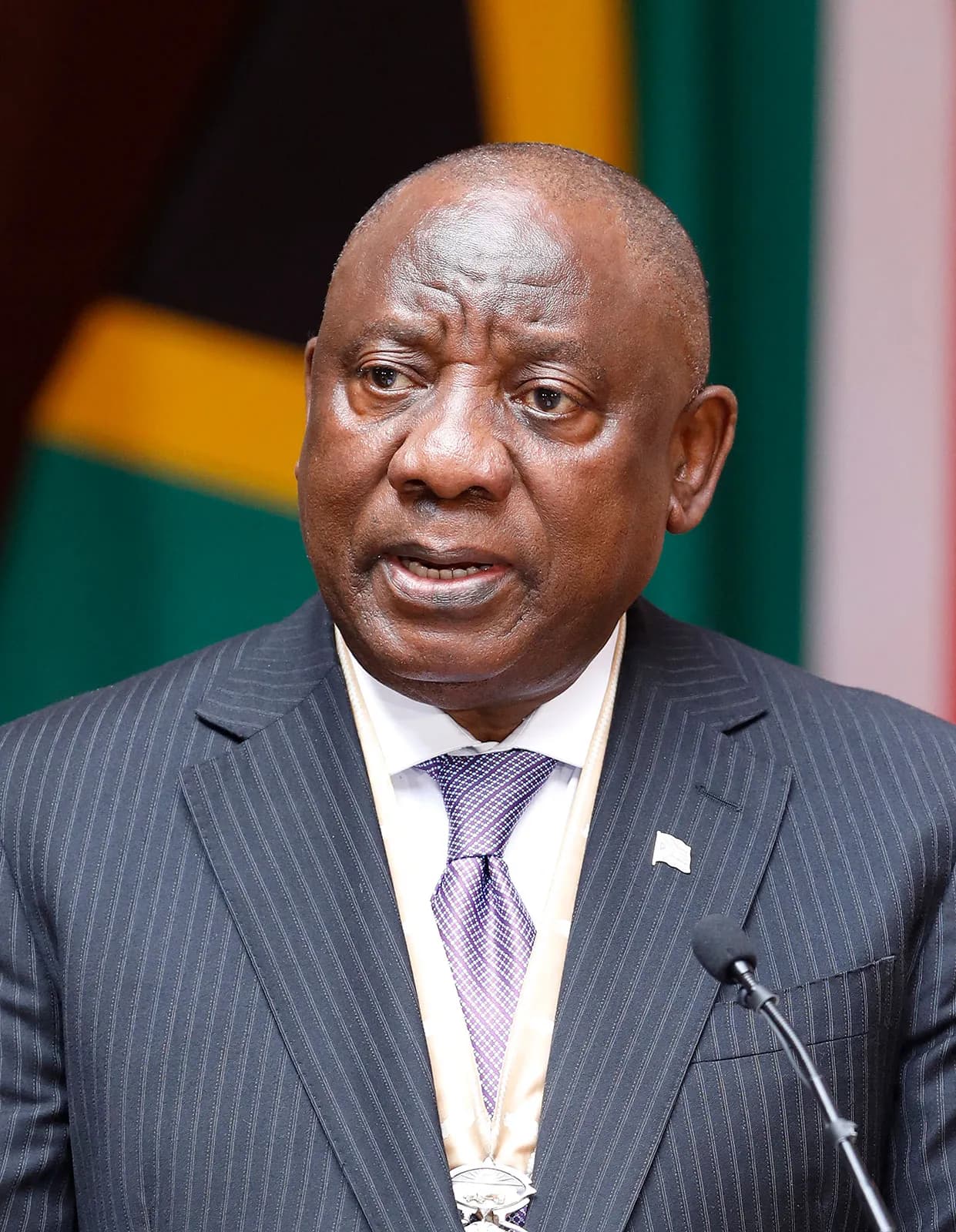
The successful extraction of these men required intervention at the highest levels of state. President Ramaphosa publicly expressed his "heartfelt gratitude" to Russian President Vladimir Putin, who facilitated their release following a direct telephone appeal earlier this month. The South African government, leveraging its BRICS diplomatic channels, managed to extract their citizens from a volatile warzone—a feat many other African nations are currently struggling to replicate.
Attention has now fiercely shifted to the architects of this deceptive recruitment. The Hawks and the South African Police Service have launched a sweeping investigation into allegations of human trafficking and fraud. Criminal charges have been aggressively filed against Duduzile Zuma-Sambudla, a prominent member of the MK Party and daughter of former President Jacob Zuma, for her alleged involvement in the mercenary recruitment drive.
This violates the stringent Regulation of Foreign Military Assistance Act, which explicitly prohibits South African citizens from participating in foreign armed conflicts without express government authorization. The accused have denied the allegations, claiming they too were victims of intermediary fraud, but the political fallout continues to escalate.
This crisis is not isolated to South Africa; it is a profound East African tragedy as well. Recent intelligence reports indicate that over 1,000 Kenyans have been sent to fight alongside Russian forces in Ukraine. Deceptive recruitment agencies operating out of Nairobi have lured young, unemployed Kenyans with false promises of well-paid jobs, offering salaries of up to $2,000 (approx. KES 260,000) a month.
These exorbitant financial promises act as an irresistible siren song for youth facing a stagnant local economy. Once they arrive in Eastern Europe, their passports are confiscated, and they are handed assault rifles instead of the promised employment contracts.
The broader exploitation of Africa's youth bulge by foreign warring factions presents an unprecedented security challenge. Ukrainian authorities have identified nationals from over three dozen African countries fighting in the conflict. This necessitates the immediate establishment of robust, cross-border legal frameworks to completely dismantle human trafficking rings masquerading as overseas employment agencies.
"The true tragedy lies not just in the gross deception of these young men, but in the glaring economic voids at home that made them so dangerously vulnerable to the international merchants of war," a human rights advocate stated.
Keep the conversation in one place—threads here stay linked to the story and in the forums.
Sign in to start a discussion
Start a conversation about this story and keep it linked here.
Other hot threads
E-sports and Gaming Community in Kenya
Active 9 months ago
The Role of Technology in Modern Agriculture (AgriTech)
Active 9 months ago
Popular Recreational Activities Across Counties
Active 9 months ago
Investing in Youth Sports Development Programs
Active 9 months ago
Key figures and persons of interest featured in this article