We're loading the complete profile of this person of interest including their biography, achievements, and contributions.
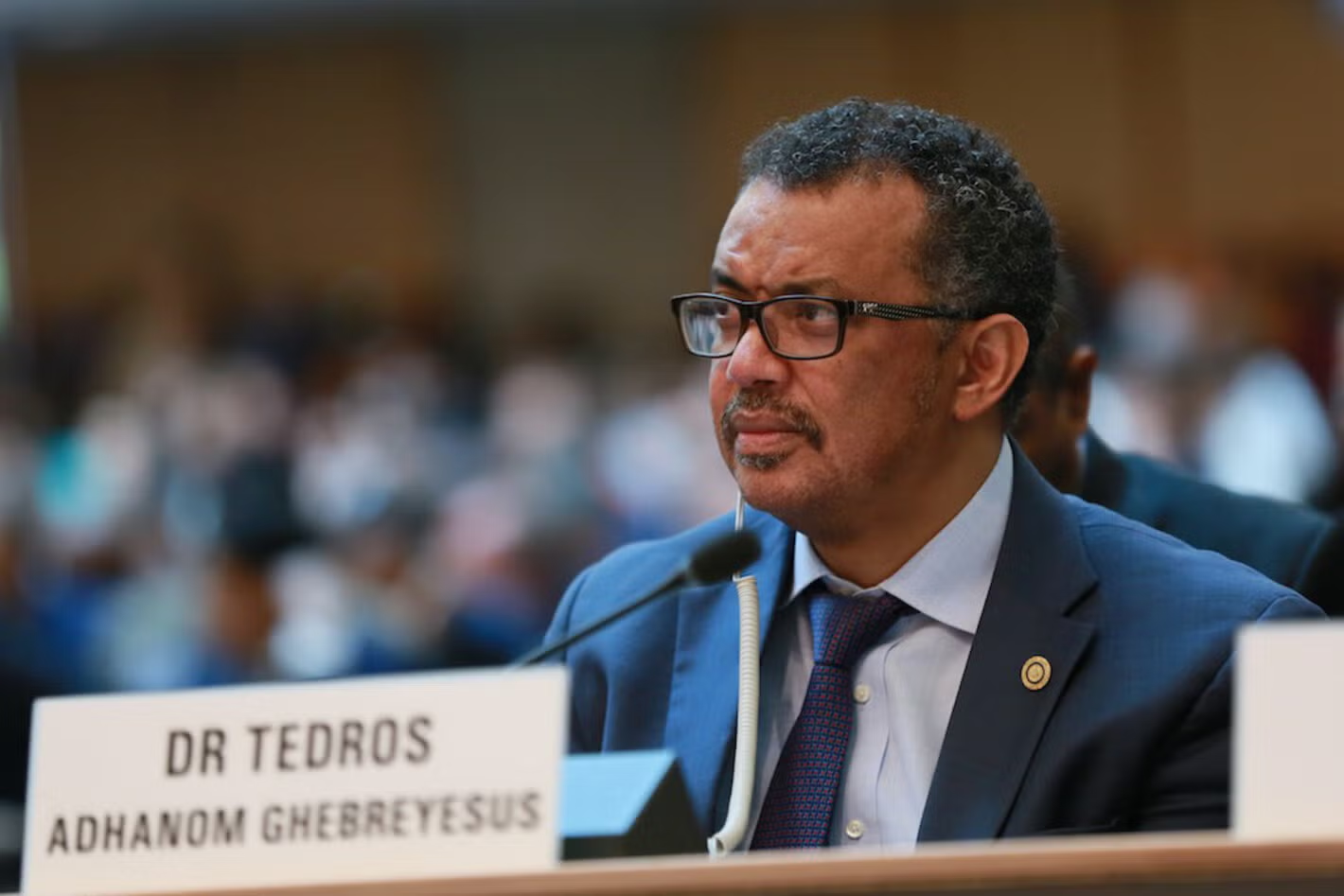
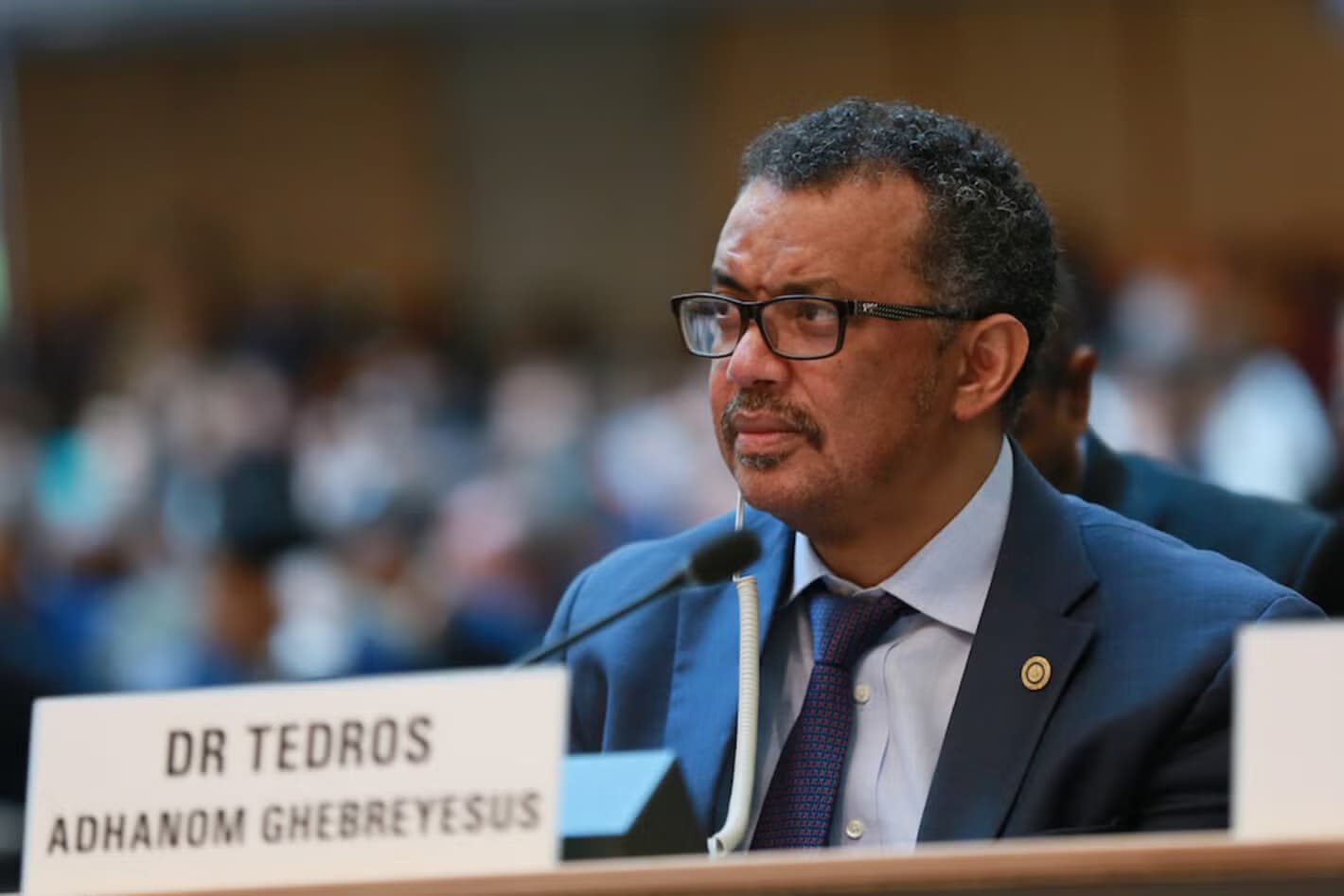
Director-General, World Health Organization (WHO)
Public Views
Experience
Documented career positions
Tedros Adhanom Ghebreyesus (born 3 March 1965) is an Ethiopian public health official, researcher, and diplomat who has served as the Director-General of the World Health Organization (WHO) since 2017. He is the first person from the WHO African Region to lead the organization and the first Director-General to be elected by the World Health Assembly in a vote open to all member states. Born in the city of Asmara, Ethiopia (now in Eritrea), Tedros pursued his higher education in biology, graduating with a Bachelor of Science degree from the University of Asmara in 1986. He subsequently continued his academic studies abroad, earning a Master of Science in the immunology of infectious diseases from the London School of Hygiene & Tropical Medicine, University of London, in 1992. He later completed a Doctor of Philosophy (PhD) in community health from the University of Nottingham in 2000, with research focusing on the impact of dams on malaria transmission in the Tigray region of northern Ethiopia. Following his education, Tedros returned to Ethiopia to engage in public health work, beginning his career as a field-level malariologist. He steadily advanced through the Ethiopian Ministry of Health, serving as head of the Tigray Regional Health Bureau and later as Minister of State for Health. In 2005, he was appointed Minister of Health, a position he held until 2012. During his tenure as health minister, he was credited with implementing comprehensive reforms aimed at strengthening Ethiopia's health system. Key among these initiatives was the expansion of primary health care through the deployment of approximately 40,000 female health extension workers, an effort that significantly increased access to services in remote regions and contributed to substantial reductions in child and maternal mortality. Between 2012 and 2016, Tedros served as Ethiopia's Minister of Foreign Affairs, where he utilized his position to elevate health diplomacy on the international stage. His background in global health advocacy included leadership roles such as Chair of the Global Fund to Fight AIDS, Tuberculosis, and Malaria (2009–2011), Chair of the Roll Back Malaria Partnership, and Co-chair of the Partnership for Maternal, Newborn & Child Health. In May 2017, Tedros was elected Director-General of the WHO, assuming office on 1 July 2017. His leadership has been defined by his focus on universal health coverage, emergency preparedness, and systemic organizational reform. In May 2022, he was re-elected for a second five-year term. During his tenure, he has led the organization through several critical global health crises, most notably the COVID-19 pandemic, as well as the 2022–2023 mpox outbreak and the ongoing response to the Ebola virus epidemic in the Democratic Republic of the Congo. Throughout his career, Tedros has received numerous honors and recognitions for his contributions to global health, including the Jimmy and Rosalynn Carter Humanitarian Award in 2011. While widely recognized for his advocacy for health equity, his leadership has also navigated complex geopolitical challenges and controversies, including scrutiny regarding the WHO's response during global health emergencies and questions concerning his previous roles in Ethiopian governance. He continues to advocate for the principle that health is a fundamental human right, emphasizing the necessity of robust global cooperation to address persistent and emerging infectious disease threats.
First African to serve as Director-General of the World Health Organization (2017–Present)
Led the global public health coordination during the COVID-19 pandemic, launching the COVAX initiative to attempt equitable vaccine distribution to low-income nations
Served as Ethiopia's Minister of Health (2005–2012), fundamentally reforming the national health system by deploying tens of thousands of health extension workers and drastically reducing malaria and HIV mortality rates
Faced intense, unprecedented political fury from the United States in 2020/2021 (and again in 2025/2026), with critics explicitly accusing him of being overly deferential to the Chinese Communist Party and actively helping Beijing cover up the initial severity and true origins of the SARS-CoV-2 outbreak in Wuhan
Strongly opposed by the Ethiopian government during his 2022 re-election bid due to his vocal condemnation of the humanitarian blockade and atrocities committed during the Tigray War (Tedros is an ethnic Tigrayan), leading to bizarre diplomatic scenarios where his own home country attempted to block his mandate
News articles featuring Tedros Adhanom Ghebreyesus
Recognized globally for his relentless advocacy for Universal Health Coverage (UHC)
Graduated with a Bachelor of Science degree in biology from the University of Asmara in 1986.
Obtained a Master of Science degree in immunology of infectious diseases from the University of London in 1992.
Received the 'Young Investigator of the Year' award from the American Society of Tropical Medicine and Hygiene in 1999.
Earned a Doctor of Philosophy (PhD) in community health from the University of Nottingham in 2000.
Received the 'Young Public Health Researcher Award' from the Ethiopian Public Health Association in 2003.
Appointed Minister of State for Health in Ethiopia in 2004.
Served as Minister of Health of Ethiopia from 2005 to 2012, during which he led comprehensive reforms including the Health Extension Program.
Co-chaired the Partnership for Maternal, Newborn and Child Health (PMNCH) from 2005 to 2009.
Served as a member of the High-Level Task Force for Innovative Financing for Health Systems in 2009.
Became the first non-American recipient of the Jimmy and Rosalynn Carter Humanitarian Award in 2011.
Named one of the 50 people who will change the world by Wired magazine in 2012.
Awarded an Honorary Fellowship from the London School of Hygiene and Tropical Medicine in 2012.
Served as the Minister of Foreign Affairs of Ethiopia from 2012 to 2016.
Named one of the 100 most influential Africans by New African magazine in 2015.
Received the Decoration of the Order of the Serbian Flag in 2016.
Received the Women Deliver Award for Perseverance at the 2016 Women Deliver Conference.
Elected as the Director-General of the World Health Organization (WHO) in May 2017, becoming the first African to hold the position and the first elected by the World Health Assembly from multiple candidates.
Awarded the Danida Alumni Prize by Denmark's Danida Fellowship Centre in 2017.
Named a Grande Officier of the National Order of Benin in 2018.
Awarded the L'Ordre national du Lion of Senegal in 2018.
Received the Oswaldo Cruz Medal of Merit from Brazil in 2018.
Received an Honorary Doctorate of Medicine from Umeå University, Sweden, in 2018.
Awarded the Grand Cross of the Equestrian Order of Saint Agatha from San Marino in 2019.
Received Honorary Doctorates of Medicine from the University of Nottingham and Newcastle University in 2019.
Launched the independent WHO Foundation to increase funding opportunities for public health in 2019.
Received the 2020 Bridge Maker Award from the 14th August Committee of Norway.
Received the 2020 Human Rights Award from the Spanish Law Bar (Consejo General de la Abogacía Español).
Named one of TIME magazine's 100 most influential people of 2020.
Named 'African of the Year' by the African Leadership Magazine in 2020.
Awarded an Honorary Fellowship from the Royal College of Surgeons of Ireland's Faculty of Nursing and Midwives in 2020.
Received the Global Health Leader Award from Amref Health Africa in 2021.
Re-elected for a second five-year term as WHO Director-General in May 2022.
Received the President's Medal of Excellence from the University of Michigan in 2022.
Received the Elisabeth B. Weintz Humanitarian Award from the Harvard Humanitarian Initiative in 2025.
Criticized by developing nations for the ultimate failure of the COVAX facility to secure enough vaccines during the peak of the pandemic, exposing the WHO's powerlessness against Western pharmaceutical monopolies
In 2017, Tedros faced significant international backlash for appointing Zimbabwean President Robert Mugabe as a WHO Goodwill Ambassador, a decision he rescinded days later following widespread condemnation regarding Mugabe's human rights record.
In 2017, during his campaign for WHO Director-General, he faced allegations from public health experts and political opponents that he covered up three cholera outbreaks in Ethiopia while serving as the country's Minister of Health, charges he vehemently denied, calling them a smear campaign.
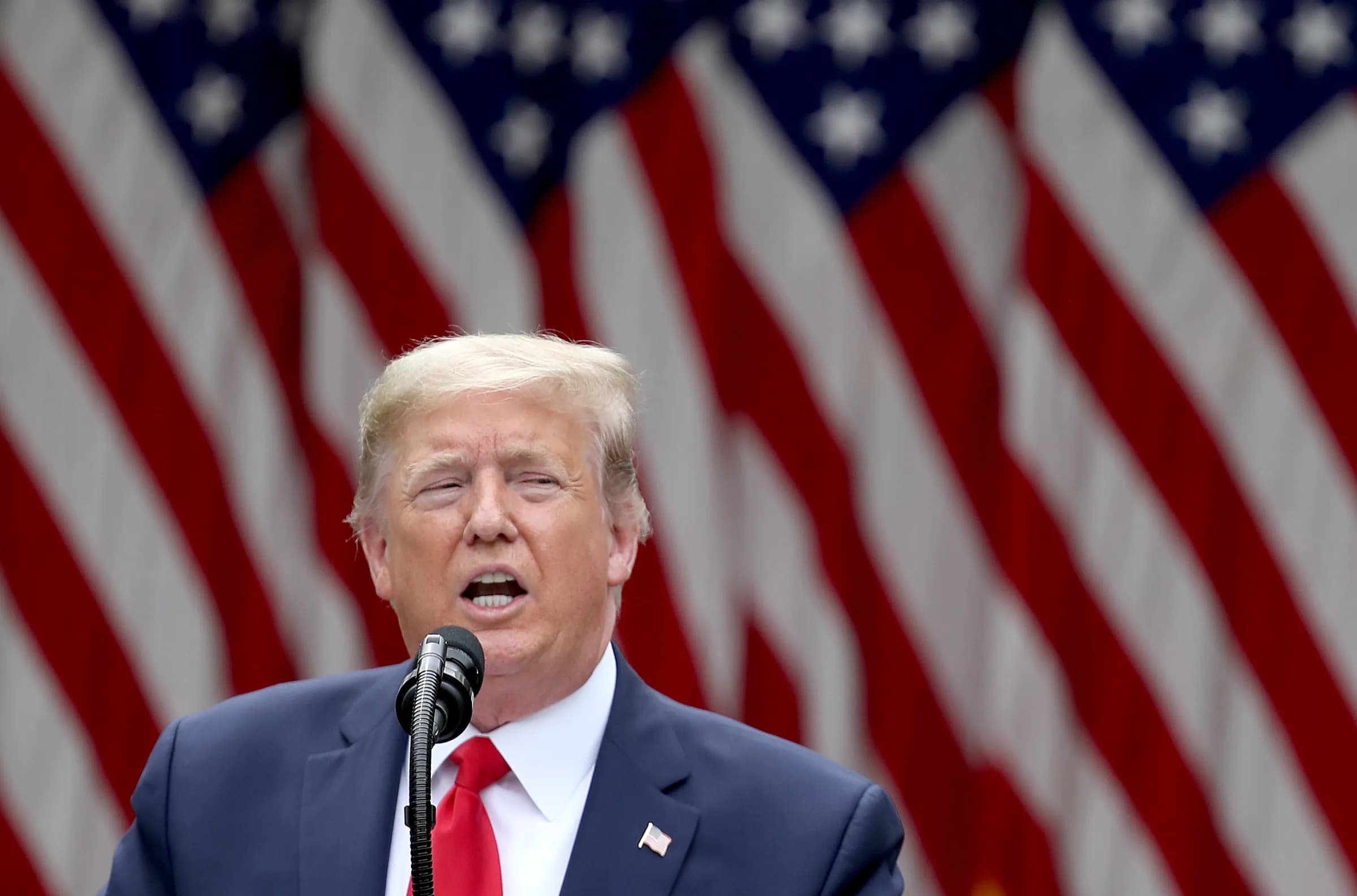
In 2020, the administration of U.S. President Donald Trump heavily criticized Tedros, accusing the WHO of being too deferential to China and mishandling the early stages of the COVID-19 pandemic, which ultimately led the U.S. to temporarily halt funding to the organization.
Starting in 2020, the Ethiopian government repeatedly accused Tedros of supporting the Tigray People's Liberation Front (TPLF) during the Tigray War, alleging he used his influence at the WHO to lobby against the Ethiopian state and help the rebel group, claims he has consistently dismissed as politically motivated.