We're loading the full news article for you. This includes the article content, images, author information, and related articles.
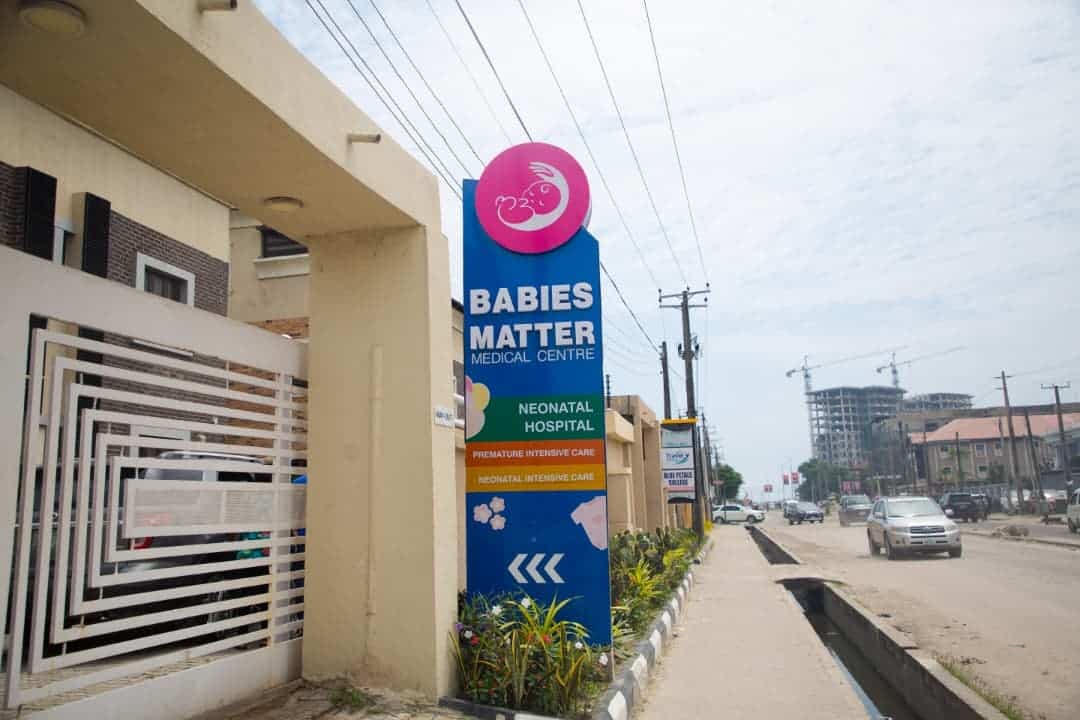
The Doris Mollel Foundation introduces a state-of-the-art neonatal facility in Kwimba District, pioneering the zero-separation concept and setting an unprecedented benchmark for maternal healthcare across the region.
The Doris Mollel Foundation introduces a state-of-the-art neonatal facility in Kwimba District, pioneering the zero-separation concept and setting an unprecedented benchmark for maternal healthcare across the region.
In a monumental stride for pediatric healthcare, the World Health Organization (WHO) is set to inaugurate a cutting-edge facility dedicated to preterm infants at Kwimba District Hospital in Tanzania. This development fundamentally alters the neonatal survival landscape.
Why is this localized healthcare investment a matter of global consequence? With a valuation of approximately KES 106 million (2.125 billion TZS), this facility is not just a building; it is a meticulously engineered ecosystem designed to eradicate the devastating infant mortality rates that have historically plagued East Africa. It serves as a scalable template for the entire continent.
The conceptual cornerstone of the Kwimba facility, spearheaded by the Doris Mollel Foundation (DMF) in partnership with Alicia Keys' Keep a Child Alive organization, is the revolutionary 'zero separation' protocol. Traditionally, premature infants requiring intensive medical intervention are immediately sequestered in isolated incubators, severing the critical physical and emotional bond with the mother. This archaic approach often induces severe trauma for the family and impedes the infant's holistic developmental progress. The new facility completely dismantles this protocol.
Constructed strictly to stringent international standards, the ward integrates advanced life-support machinery directly into the maternal recovery space. According to DMF Executive Director Doris Mollel, the design allows a mother to maintain uninterrupted visual and physical contact with her baby, even while specialized equipment sustains the infant's life. This skin-to-skin contact, known as Kangaroo Mother Care, has been scientifically proven to stabilize neonatal heart rates, improve oxygen saturation, and accelerate growth trajectories. The psychological benefits for the parents, who are transformed from anxious bystanders to active participants in the healing process, are equally profound.
The inauguration of this facility by WHO Director-General Dr. Tedros Adhanom Ghebreyesus on February 28, 2026, underscores its critical importance on the global health stage. The capacity to safely and efficiently process 40 preterm infants daily transforms Kwimba District from a rural outpost into a premier medical hub. This localized enhancement directly addresses the United Nations Sustainable Development Goals, specifically targeting the reduction of preventable deaths of newborns and children under five.
Furthermore, the infrastructure investment extends beyond the medical wards. Recognizing the severe logistical challenges faced by rural medical practitioners, the project includes the construction of dedicated housing for the nursing staff. This guarantees round-the-clock availability of highly trained personnel, eliminating the perilous delays associated with off-site staff commuting. By ensuring that the guardians of these fragile lives are comprehensively supported, the DMF has engineered a sustainable, failure-resistant operational model.
The success of the Kwimba facility sends a powerful directive across the border to neighboring nations like Kenya and Uganda. The blueprint established here—characterized by strategic international philanthropy, community-centric architectural design, and an uncompromising commitment to human dignity—exerts pressure on regional health ministries to elevate their own maternal care standards. Facilities like Pumwani Maternity Hospital in Nairobi can look to Kwimba as definitive proof that world-class neonatal care is achievable within the East African socio-economic context.
Critical innovations implemented at the Kwimba facility include:
As the doors officially open, the facility stands as a beacon of clinical excellence and profound empathy. "A nation's soul is measured by how it fiercely protects its most vulnerable; today, East Africa raises its standard to the highest possible metric."
Keep the conversation in one place—threads here stay linked to the story and in the forums.
Sign in to start a discussion
Start a conversation about this story and keep it linked here.
Other hot threads
E-sports and Gaming Community in Kenya
Active 9 months ago
The Role of Technology in Modern Agriculture (AgriTech)
Active 9 months ago
Popular Recreational Activities Across Counties
Active 9 months ago
Investing in Youth Sports Development Programs
Active 9 months ago