We're loading the complete profile of this person of interest including their biography, achievements, and contributions.
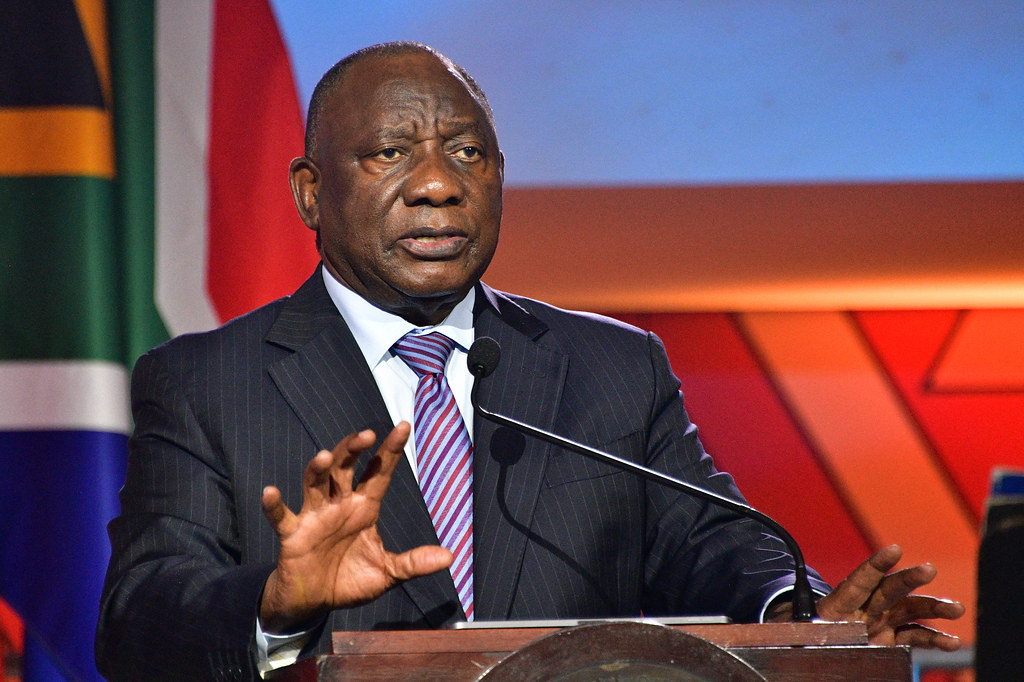
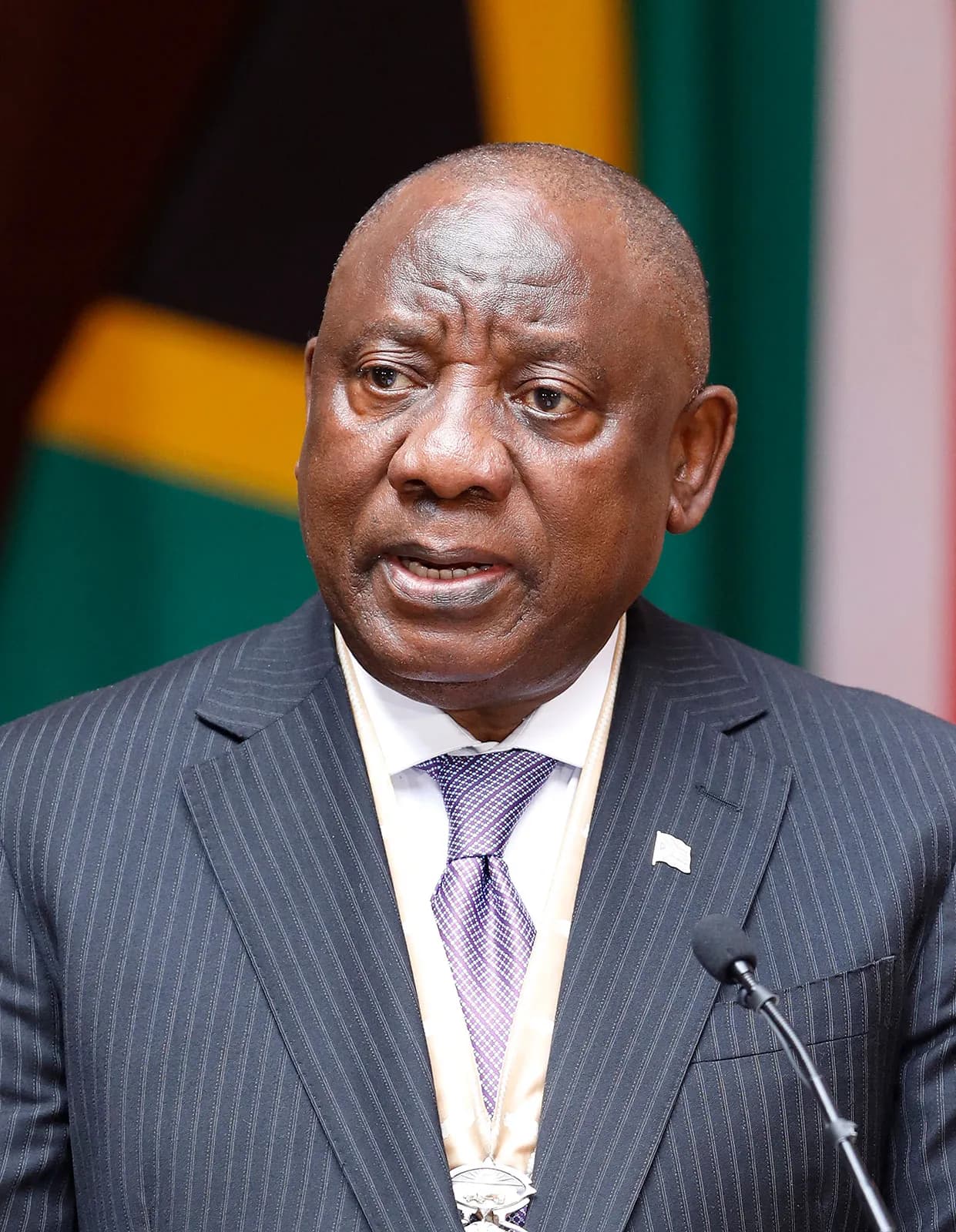
President of South Africa
Born
1952(74 yrs)
Region
Pretoria, South Africa
Public Views
Experience
Documented career positions
Matamela Cyril Ramaphosa (born 17 November 1952) is the 5th democratic President of South Africa, having assumed office in February 2018 following the resignation of Jacob Zuma. A towering figure in South Africa’s modern history, Ramaphosa rose to prominence as an anti-apartheid activist and trade unionist, before becoming one of the country’s most influential political negotiators. He served as the African National Congress (ANC)’s chief negotiator during the constitutional talks that dismantled apartheid and ushered in democratic rule in the early 1990s. After stepping away from frontline politics in the mid-1990s, Ramaphosa reinvented himself as a business magnate, founding the Shanduka Group, which became one of South Africa’s most successful black-owned investment firms. His return to politics culminated in the presidency, where his tenure has been dominated by efforts to dismantle “state capture,” restore institutional credibility, and confront the country’s deepening energy crisis. However, the 2024 general elections marked a turning point: the ANC lost its parliamentary majority for the first time since 1994, forcing Ramaphosa to lead South Africa under a coalition government, fundamentally reshaping the country’s political landscape.
AI-powered civic intelligence rating
President of South Africa (2018–Present)
Chief Negotiator for the end of Apartheid
Founder of the National Union of Mineworkers (NUM)
The 'Phala Phala' farmgate scandal involving undeclared foreign currency found at his farm
Marikana massacre controversy (2012) where he was a non-executive director at Lonmin
Energy crisis: Persistent power cuts (load shedding) remain a major political and economic challenge.
Chairperson of the African Union (2020–2021)
Played a key role in drafting South Africa's democratic constitution
Slow reform criticism: Opponents argue anti-corruption reforms have been too cautious.
Coalition pressure: Governing without an ANC majority has intensified political bargaining and instability.