We're loading the complete profile of this person of interest including their biography, achievements, and contributions.
President of Central African Republic
Public Views
Experience
Documented career positions
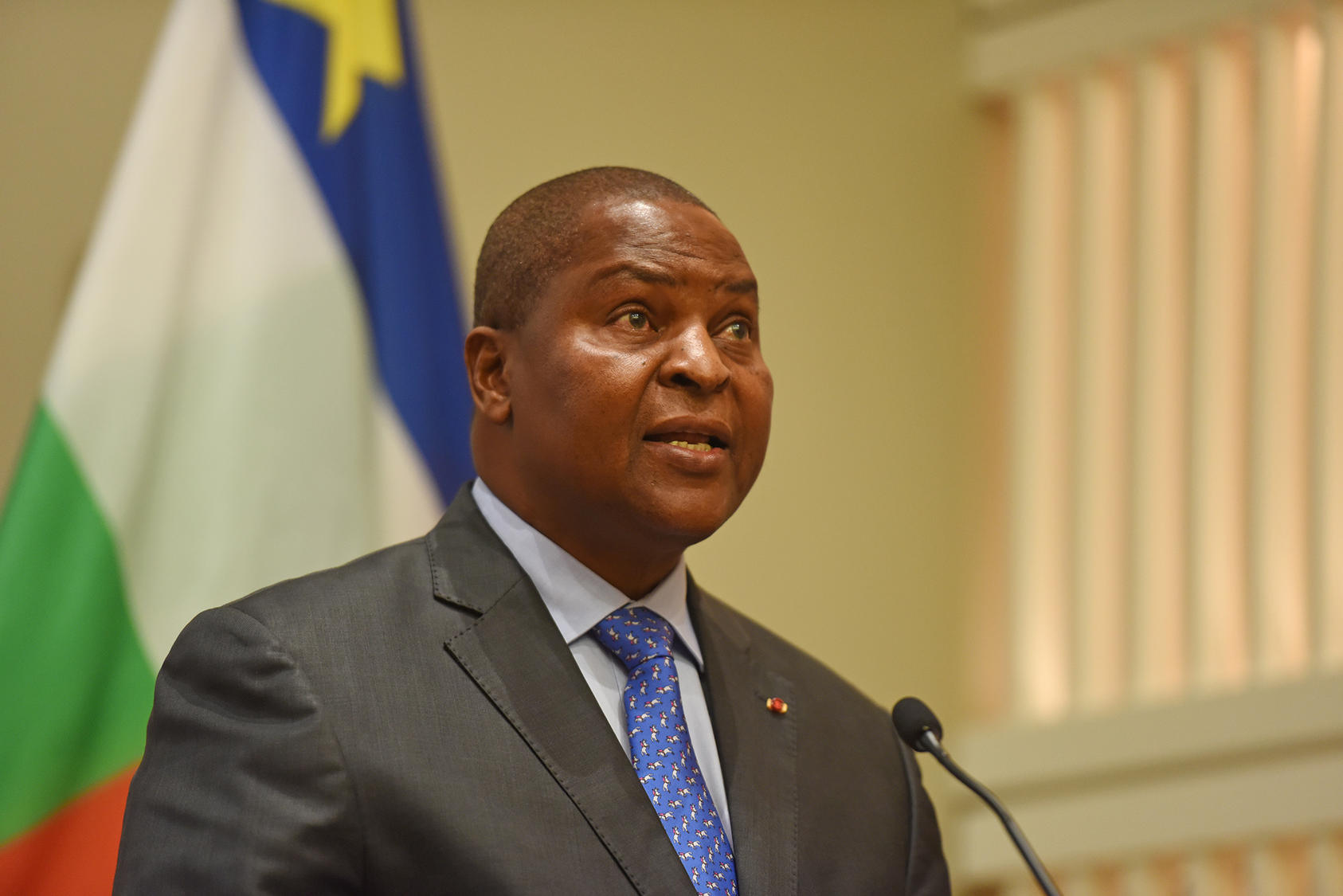
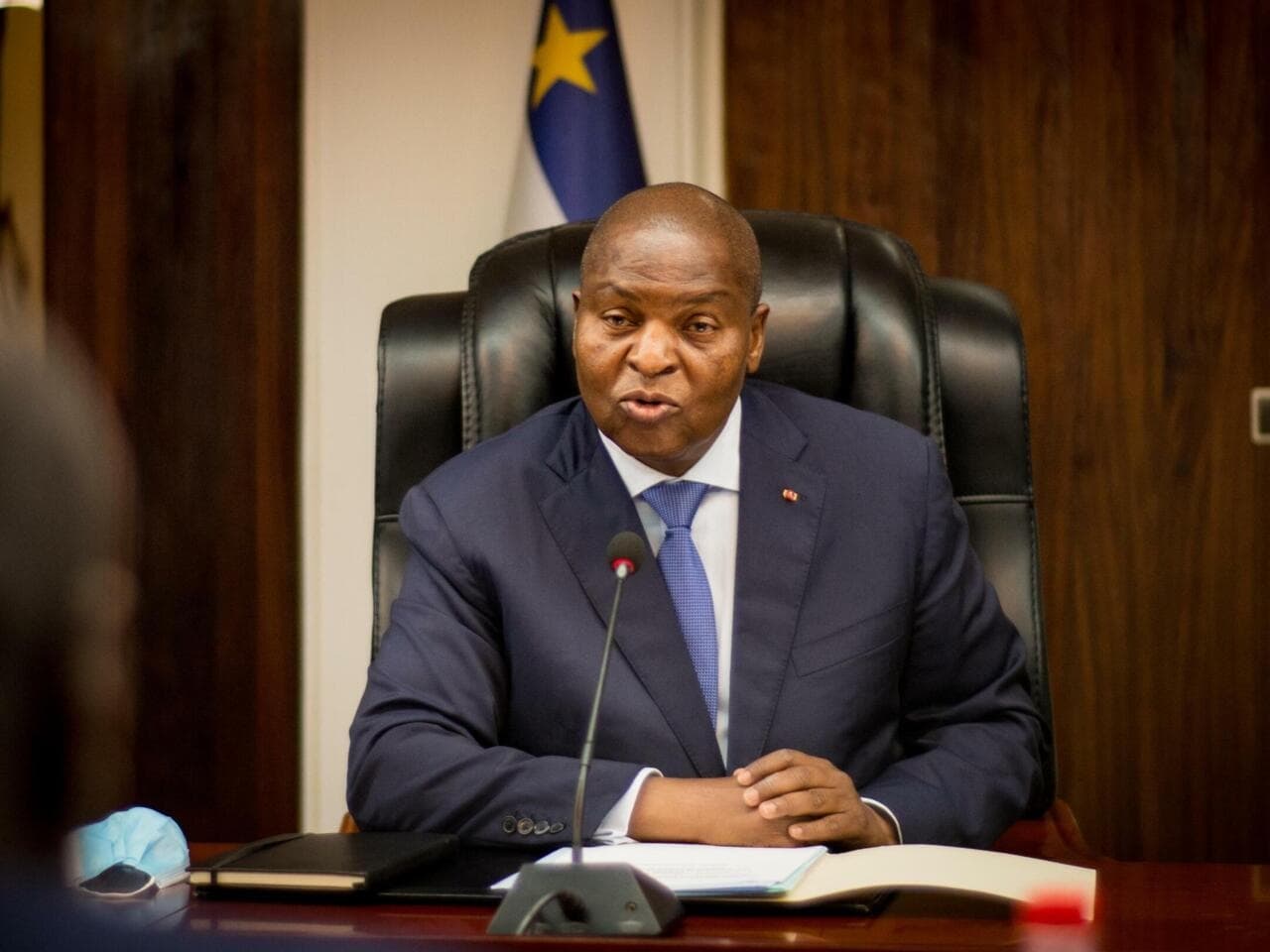
Faustin-Archange Touadéra (born 21 April 1957 in Bangui, then Ubangi-Shari) is a Central African politician, academic and the 8th President of the Central African Republic (CAR), serving since 30 March 2016. A former mathematics professor and university administrator, Touadéra’s leadership has been marked by prolonged conflict, contested politics, and significant foreign security influence. Academic and Early Political Career Touadéra trained as a mathematician, earning degrees from the University of Bangui, the University of Cocody (Ivory Coast), the University of Lille (France) and a second PhD from the University of Yaoundé I (Cameroon). He began his career as a lecturer at the University of Bangui (1987), later serving as vice-dean, director of the Teachers’ Training College, vice-chancellor and rector (2005–2008). During this period he also led mathematics standardisation efforts in Francophone Africa and helped establish the Euclid Consortium/EUCLID University. In January 2008 Touadéra was appointed Prime Minister, serving until January 2013 under President François Bozizé. His tenure focused on administrative reform and efforts to stabilise state institutions amid growing insurgencies, though the government ultimately fell as conflict intensified. Presidency and Political Rise Touadéra was first elected president in the 2015–16 general election, defeating former prime minister Anicet-Georges Dologuélé. He was re-elected in 2020–21. His leadership agenda has prioritised security and territorial control in a country plagued by rebellion since 2013. Controversial Third Term In 2023, a constitutional referendum abolished presidential term limits and extended the presidential mandate, enabling Touadéra to seek an unprecedented third term in the 28 December 2025 general election. The process was widely criticised by opposition politicians and international observers for lacking transparency and inclusivity, and it was accompanied by opposition boycotts. In provisional results, Touadéra secured 76.15 % of the vote, with former prime ministers Anicet-Georges Dologuélé and Henri-Marie Dondra trailing far behind; both have rejected the results, alleging malpractice and fraud. Voter turnout was reported at about 52 %. The electoral outcome is subject to final validation by the Constitutional Court. Security Partnerships and Foreign Influence Throughout his presidency, Touadéra has relied heavily on foreign security partnerships to counter rebel insurgencies that control large swaths of the country: • Russian paramilitary support: From 2018, forces linked to the now-dissolved Wagner Group operated in CAR under agreements that combined military backing with access to mineral concessions in gold and diamonds. These forces have been credited with helping stabilise key regions and protecting the government, but have also been accused of serious human rights violations, including killings and sexual violence, prompting domestic protests and international concern. Touadéra’s government has publicly praised Russian support and invited Russian President Vladimir Putin to visit Bangui following his re-election. • Rwandan troops: Kigali’s military contingent has worked alongside government forces and international peacekeepers to push back armed groups, stabilising conflict zones and securing transport corridors. These alliances have strengthened CAR’s security apparatus but also sparked debate about sovereignty and the balance of foreign influence, particularly as Russia has proposed replacing private mercenaries with formal military units like an “African Corps”. Governance and Human Rights Context Touadéra’s administration has been criticised by opposition parties, civil society, and regional observers for contracting opposition space, repressing political dissent, and leveraging security alliances for political advantage. The combination of weakened institutional checks, controversial constitutional changes, and reliance on foreign military actors has shaped a presidency that is simultaneously credited with relative stability and criticised for undermining democratic norms. Personal Life Touadéra is married, has three children and has maintained active involvement in educational and religious communities throughout his career.
AI-powered civic intelligence rating
Won a third term in office (2026) following constitutional changes
Pacified parts of Bangui and major towns using foreign security partners
Adopted Bitcoin as legal tender in 2022 (later repealed/scaled back)
Reliance on Russian mercenaries accused of human rights abuses
The 2023 constitutional referendum removing term limits was boycotted by the opposition
Adoption of Bitcoin ('Sango Coin') was criticized by the IMF and World Bank
Professor of Mathematics