We're loading the complete profile of this person of interest including their biography, achievements, and contributions.
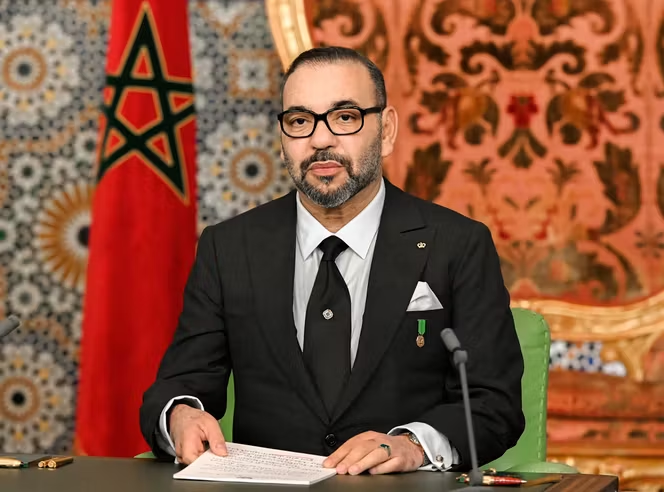
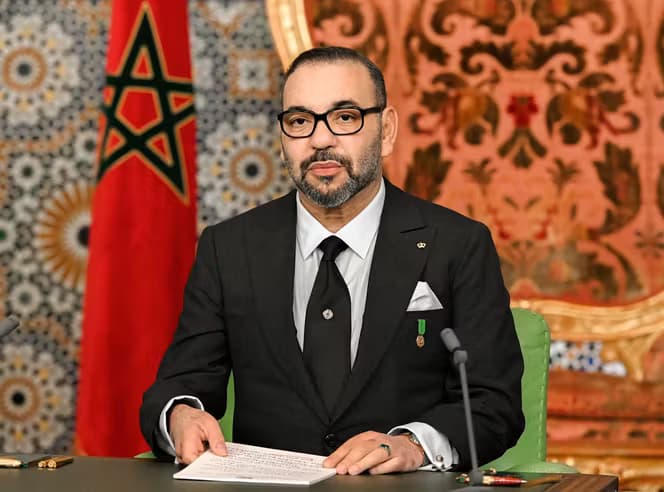
King of Morocco
Public Views
Experience
Documented career positions
Mohammed VI (born 21 August 1963) is the King of Morocco, having ascended the throne in 1999 following the death of his father, King Hassan II, as a monarch of the Alaouite (Alawi) dynasty. Early in his reign, he advanced a reformist image, most notably through changes that expanded women’s rights via the 2004 Mudawana (family code) reforms, and later through the 2011 constitutional reforms adopted amid the Arab Spring-era pressures, which formally widened the government’s powers while keeping the monarchy as the decisive center of authority. Parallel to governance reforms, his reign has been defined by large-scale, state-led modernization and a strategic foreign policy pivot. Morocco invested heavily in transformative infrastructure—such as the Tanger-Med port complex (operational since 2007) and Al Boraq, Africa’s first high-speed rail line inaugurated in 2018—projects that recast Morocco as a logistics, industrial, and tourism hub. Internationally, Mohammed VI drove a proactive African diplomacy that culminated in Morocco rejoining the African Union in 2017 after more than three decades outside the bloc.
Mudawana reform (2004): Helped expand women’s legal rights under Morocco’s family code reforms.
2011 constitutional reform: Oversaw reforms adopted in 2011 that reshaped governance arrangements while preserving the monarchy’s primacy.
Tanger-Med and logistics transformation: Backed strategic port-led development anchored by Tanger-Med’s growth into a flagship Mediterranean hub.
Monarchical dominance: Critics argue reforms have not substantially reduced the monarchy’s decisive control over security, religion, and strategic policy.
Rights and governance debates: Morocco continues to face periodic scrutiny over civil liberties and political space, especially during moments of social tension.
Western Sahara diplomacy: AU reintegration occurred alongside unresolved Western Sahara disputes that continue to shape regional politics.
News articles featuring Mohammed VI
Al Boraq high-speed rail (2018): Inaugurated Africa’s first high-speed rail service, strengthening national connectivity and industrial ambition.
Economic inequality pressures: Major infrastructure gains coexist with persistent inequality concerns and uneven development outcomes.