We're loading the full news article for you. This includes the article content, images, author information, and related articles.
The move escalates a diplomatic feud, raising questions for African representation in global economic governance and the future of billions in US funding for health and development programmes in the region.
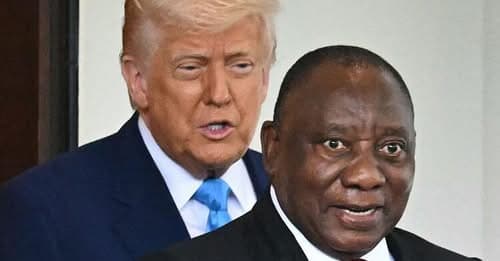
WASHINGTON D.C. – United States President Donald Trump announced on Wednesday, November 26, 2025, that South Africa will not be invited to the 2026 Group of Twenty (G20) Summit in Miami and that all U.S. payments and subsidies to the nation will cease immediately. The declaration, made on the Truth Social platform, marks a significant escalation in tensions between Washington and Pretoria, following the U.S. boycott of the 2025 G20 Summit hosted in Johannesburg.
In his statement, President Trump cited alleged “horrific Human Right Abuses” against white farmers in South Africa, claims the South African government has consistently rejected as baseless and misinformed. “The United States did not attend the G20 in South Africa, because the South African Government refuses to acknowledge or address the horrific Human Right Abuses endured by Afrikaners, and other descendants of Dutch, French, and German settlers,” Trump wrote. He added, “To put it more bluntly, they are killing white people, and randomly allowing their farms to be taken from them.”
The diplomatic rift was further deepened by a dispute over protocol. Trump stated that the decision was also prompted by South Africa’s refusal to hand over the G20 Presidency to a junior U.S. Embassy official at the conclusion of the Johannesburg summit. The U.S. had boycotted the leaders' portion of the summit, and South African officials deemed it a breach of protocol to hand the presidency to a lower-ranking diplomat instead of a head of state or senior government representative. The handover later occurred at South Africa's Department of International Relations and Cooperation.
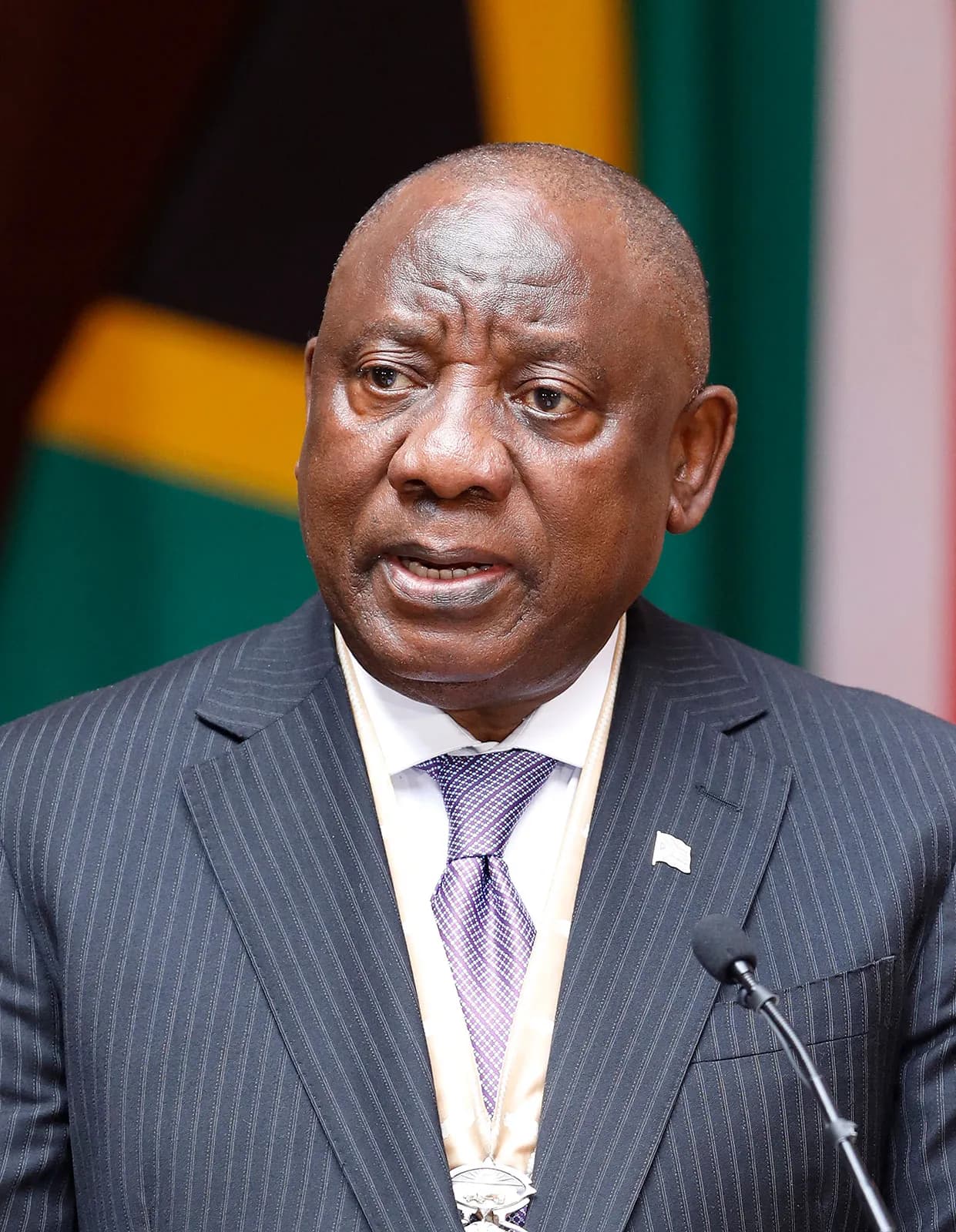
The Presidency of South Africa issued a formal statement on Thursday, November 27, 2025, describing Trump’s remarks as “regrettable” and based on “misinformation and distortions.” President Cyril Ramaphosa’s office affirmed that South Africa, as a founding member of the G20, would continue to participate fully in the forum. “South Africa is a member of the G20 in its own name and right. Its G20 membership is at the behest of all other members,” the statement read. It further noted that the U.S. had been invited to all G20 meetings during South Africa's presidency but “elected not to attend the G20 Leaders Summit in Johannesburg out of its own volition.”
The Johannesburg summit, the first G20 meeting held on African soil, proceeded despite the U.S. boycott and the absence of other leaders like China's Xi Jinping and Russia's Vladimir Putin. The attending members adopted a 122-point declaration focused on global equity, multilateral reform, and sustainable development, which was hailed by the South African presidency as a success.
While the immediate dispute is bilateral, the implications of a potential U.S. disengagement from a key African partner and the suspension of aid could have wider regional effects. U.S. foreign assistance to South Africa is substantial, totaling approximately $441.2 million in fiscal year 2023. This funding is overwhelmingly directed towards economic and development aid, with the vast majority—over $365 million—supporting health initiatives, particularly HIV/AIDS prevention and treatment through the President's Emergency Plan for AIDS Relief (PEPFAR).
A sudden halt to this funding could destabilize public health programmes that have regional benefits in combating communicable diseases. Kenya, a major recipient of U.S. global health funding itself, collaborates with South Africa on numerous public health and scientific research fronts. Disruption to South Africa's health sector could have knock-on effects on these partnerships.
Economically, the diplomatic fallout creates uncertainty. South Africa is one of Kenya’s significant trading partners on the continent. Any U.S. punitive economic measures against South Africa, such as the threatened tariffs mentioned in previous disputes, could disrupt intra-African trade flows and supply chains. The escalating tensions also cast a shadow over the African Growth and Opportunity Act (AGOA), a cornerstone of U.S.-Africa trade policy, which provides eligible sub-Saharan African countries with duty-free access to the U.S. market. The current diplomatic instability could complicate future negotiations and renewals of such trade preference programmes that are vital for economies across East Africa.
The exclusion of South Africa, the continent's most industrialized economy and its only G20 member, from the 2026 summit also raises concerns about Africa's voice in global economic decision-making. The African Union was admitted as a permanent G20 member in 2023, but South Africa's national seat provides crucial representation that will now be absent, potentially weakening the continent's influence in discussions on critical issues like debt sustainability, climate finance, and global trade rules.
Keep the conversation in one place—threads here stay linked to the story and in the forums.
Sign in to start a discussion
Start a conversation about this story and keep it linked here.
Other hot threads
E-sports and Gaming Community in Kenya
Active 9 months ago
The Role of Technology in Modern Agriculture (AgriTech)
Active 9 months ago
Popular Recreational Activities Across Counties
Active 9 months ago
Investing in Youth Sports Development Programs
Active 9 months ago
Key figures and persons of interest featured in this article