We're loading the complete profile of this person of interest including their biography, achievements, and contributions.
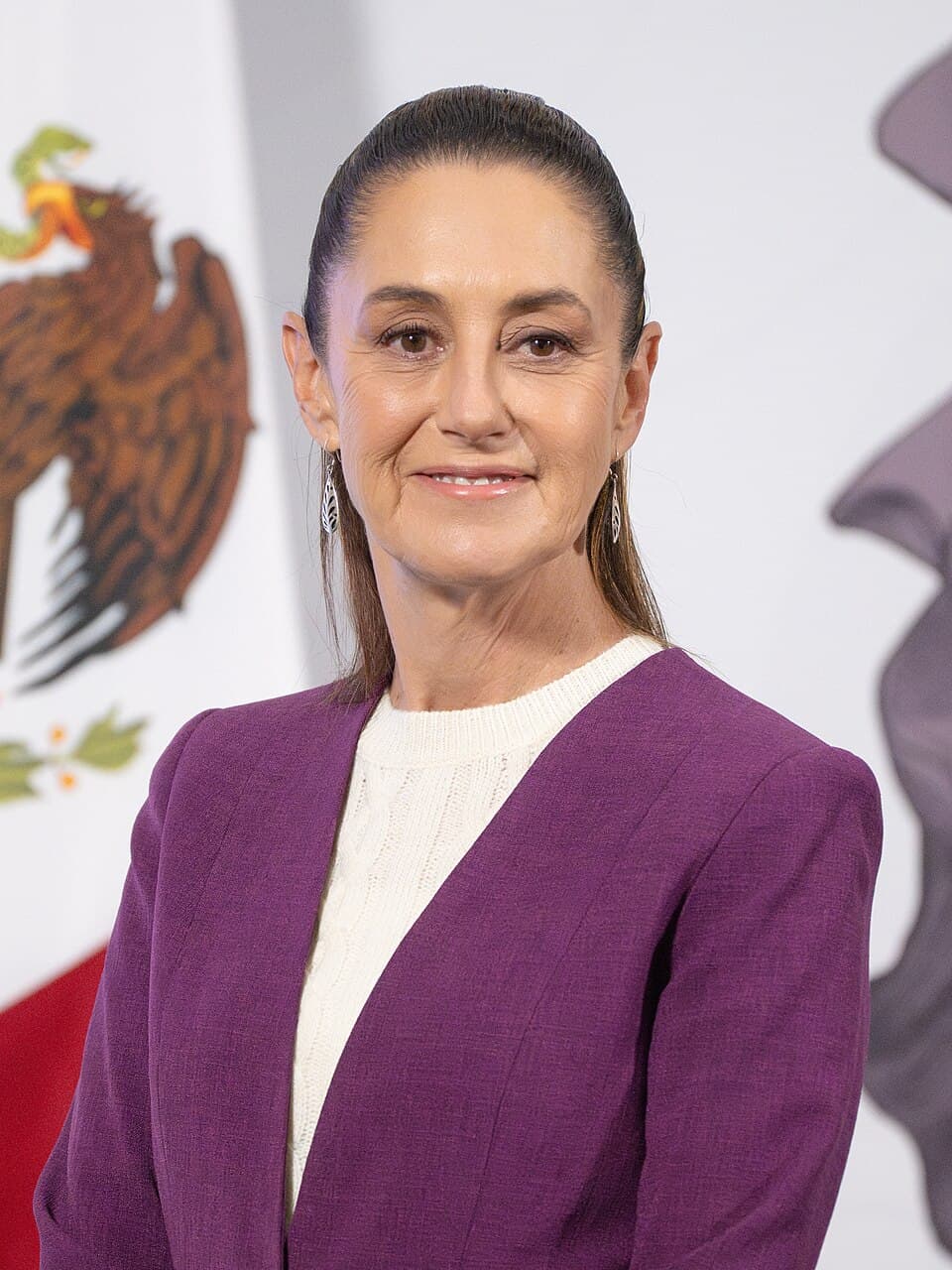
President of Mexico
Public Views
Experience
Documented career positions
Claudia Sheinbaum Pardo (born June 24, 1962) is a distinguished Mexican scientist, academic, and politician who has served as the 66th president of Mexico since her inauguration on October 1, 2024. A prominent figure in the National Regeneration Movement (Morena), she holds the historical distinction of being the first woman and the first person of Jewish heritage to occupy the Mexican presidency. Her political rise is defined by a synthesis of rigorous scientific background and a commitment to the social policies championed by the "Fourth Transformation" movement. Born in Mexico City, Sheinbaum grew up in an intellectually vibrant environment. She is the daughter of Annie Pardo Cemo, a biologist and professor emeritus at the National Autonomous University of Mexico (UNAM), and Carlos Sheinbaum Yoselevitz, a chemical engineer. Her family background, rooted in both Ashkenazi and Sephardi Jewish traditions, emphasized the importance of education and public service. Sheinbaum pursued her higher education at UNAM, where she earned a bachelor’s degree in physics in 1989. She continued her academic trajectory at the same institution, obtaining a master’s degree in 1994 and a Ph.D. in energy engineering in 1995. Notably, during the early 1990s, she conducted doctoral research at the Lawrence Berkeley National Laboratory in California, focusing on energy consumption trends in the Mexican transportation and building sectors. In 1995, Sheinbaum joined the faculty of the Institute of Engineering at UNAM, establishing herself as an expert in sustainable development and energy efficiency. Her scientific work, which includes over 100 articles and contributions to the Intergovernmental Panel on Climate Change (IPCC), earned her significant academic respect. She was notably part of the IPCC team that shared the 2007 Nobel Peace Prize. Sheinbaum’s political career began to take shape in the early 2000s when she was appointed as the Secretary of the Environment for Mexico City by then-Head of Government Andrés Manuel López Obrador. In this role, she championed infrastructure projects and environmental policies, including the development of the Metrobus system. She later returned to academia before re-entering the political arena as the mayor of the Tlalpan borough in 2015. In 2018, she made history by becoming the first elected female Head of Government of Mexico City. During her tenure, which lasted until 2023, she prioritized public transportation modernization, urban sustainability, and gender-focused social programs. In 2023, Sheinbaum resigned from her role as Head of Government to compete for the presidential nomination of the Morena-led coalition, Sigamos Haciendo Historia. Following her selection as the coalition's candidate, she ran a campaign centered on continuity, national sovereignty, and the institutionalization of social welfare programs. She won a decisive landslide victory in the 2024 general election. Upon assuming the presidency, her administration quickly moved to formalize social initiatives as constitutional rights and implemented structural reforms to the federal public administration, including the creation of the Secretariat of Women. Throughout her career, Sheinbaum has navigated the complexities of Mexican politics with an approach often described as analytical and data-driven, distinct from the populist style of her predecessor. Her personal life, including her marriage to financial risk analyst Jesús María Tarriba and her dedication to her family, remains a point of public interest. As president, she continues to focus on balancing the consolidation of Morena’s political platform with the challenges of governance, economic development, and international relations.
Elected as the first female President of Mexico in 2024, winning in a historic landslide and securing supermajorities for the Morena party in the legislature
Served as the Head of Government of Mexico City (2018–2023), successfully lowering the city's homicide rate and expanding green public transportation infrastructure
Authored over 100 academic articles and two books on energy, environment, and sustainable development, sharing the 2007 Nobel Peace Prize as a member of the Intergovernmental Panel on Climate Change (IPCC)
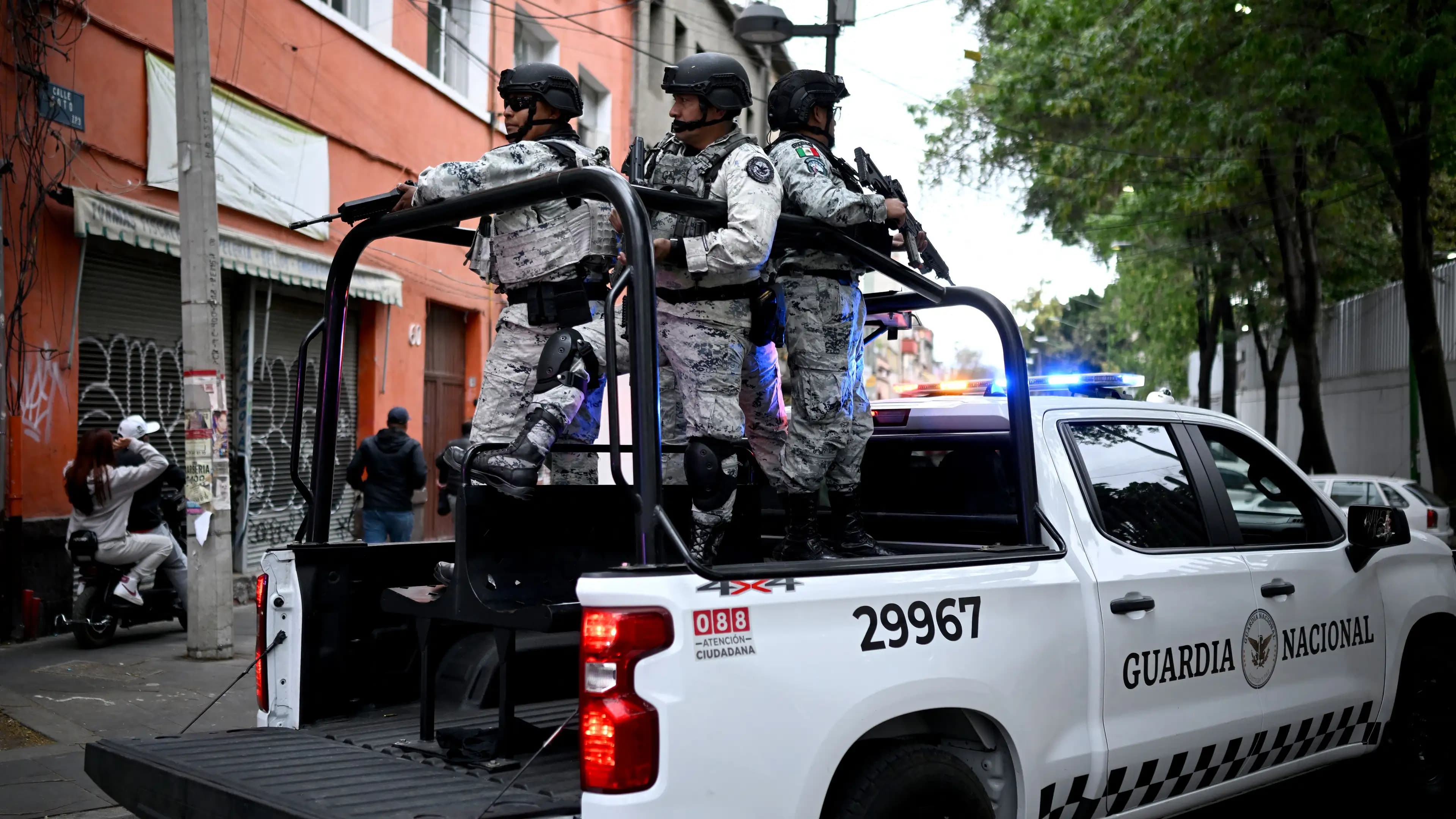
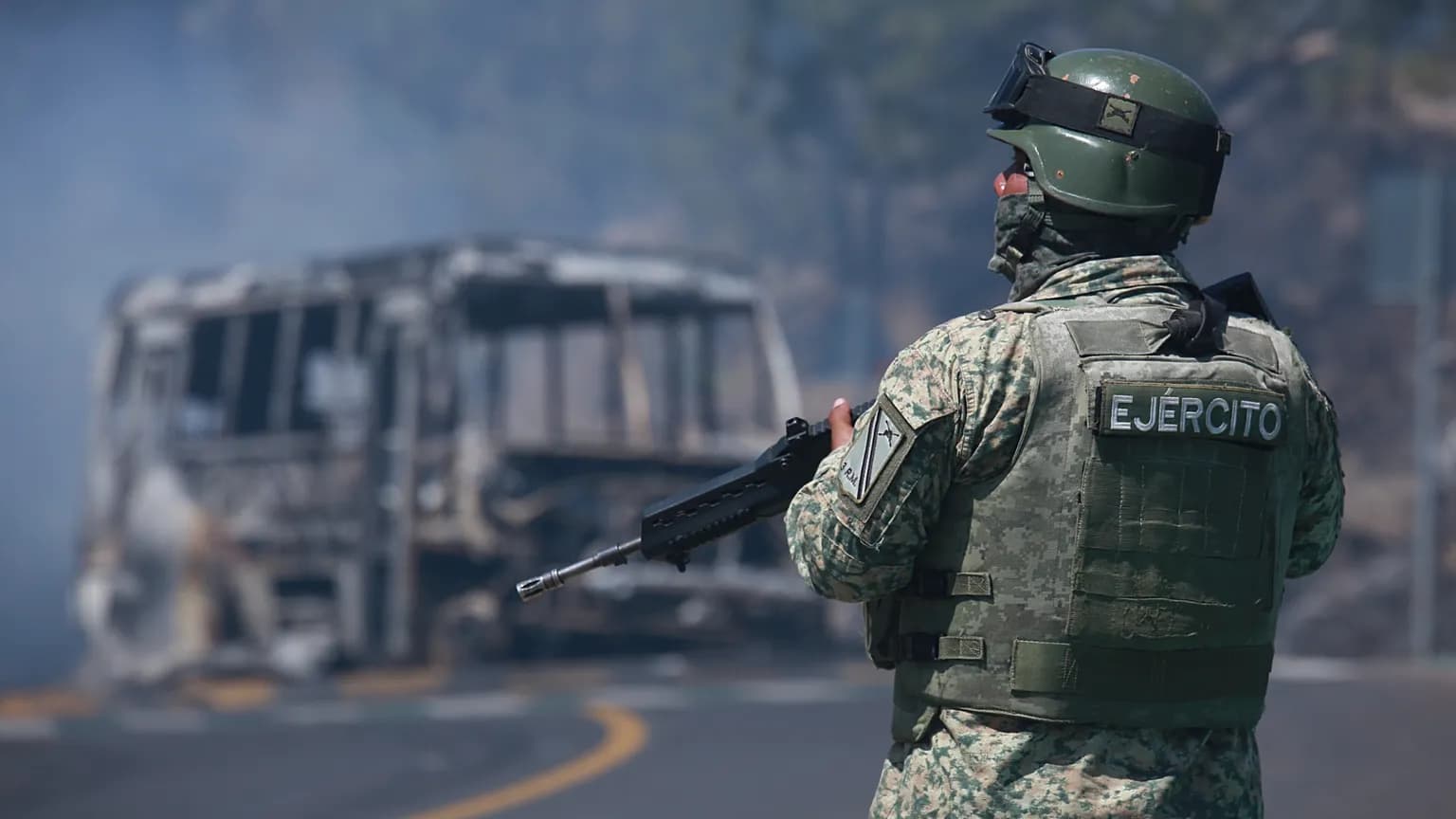
Faces an unprecedented national security crisis in 2026 as the Trump administration threatens to launch unilateral US military missile strikes against Mexican cartels, severely straining the bilateral relationship and threatening the USMCA trade agreement
Heavily criticized for passing AMLO's highly controversial judicial reforms in late 2024, which mandated the popular election of all federal judges, a move opponents and international investors argue destroyed the independence of the Mexican judiciary
Her administration struggles to contain the horrific violence and territorial control of the Sinaloa and Jalisco New Generation (CJNG) cartels despite massive military deployments
News articles featuring Claudia Sheinbaum
Earned a bachelor's degree in physics from the National Autonomous University of Mexico (UNAM) in 1989.
Earned a master's degree in energy engineering from UNAM in 1994.
Earned a Ph.D. in energy engineering from UNAM in 1995.
Joined the faculty of the Institute of Engineering at UNAM as a researcher in 1995.
Received the prize for best young researcher in engineering and technological innovation from UNAM in 1999.
Appointed Secretary of the Environment for Mexico City in 2000, serving until 2006.
Contributed to the IPCC Fourth Assessment Report, sharing the Nobel Peace Prize in 2007.
Served as a lead author for the industry chapter in the IPCC Fifth Assessment Report in 2013.
Elected Mayor of Tlalpan, serving from 2015 to 2017.
Elected as Head of Government of Mexico City in 2018, becoming the first woman and first Jewish person to hold the office.
Elected as the first female and first Jewish President of Mexico in 2024.
Included in the 2024 TIME100 Climate list for her leadership in sustainability.
Honored with the Contribution to Sustainability Medal from the Nobel Sustainability Trust in 2024.
In 2017, as the Tlalpan borough mayor, Sheinbaum faced significant controversy following the collapse of the Enrique Rébsamen school during an earthquake, which killed 19 children and seven adults. Critics alleged that her administration failed to adequately enforce construction and safety regulations, though she denied personal responsibility and asserted that the school's paperwork appeared in order at the time.
In 2021, she faced intense political fallout after the collapse of an elevated section of the Mexico City Metro Line 12, which killed 26 people. Her administration was scrutinized over maintenance failures and structural integrity, and she faced criticism for her government's reaction to independent audit reports by DNV, which she later rejected as politically biased.
Throughout her time as Head of Government of Mexico City, she faced persistent criticism from feminist organizations for the use of police force against protesters demonstrating against gender-based violence. Critics argued that her administration prioritized protecting government buildings over addressing systemic femicide and that she failed to fulfill promises to curb police brutality.
During the COVID-19 pandemic, Sheinbaum faced criticism from health experts and political opponents who argued that her administration's policies in Mexico City were overly influenced by the political agenda of then-President Andrés Manuel López Obrador. Opponents alleged she was hesitant to implement stricter public health measures or contradict the federal government's downplaying of the virus, to the detriment of local public health.
Since her political rise, she has faced recurring allegations that she serves as a 'puppet' or political successor of former President Andrés Manuel López Obrador, with critics arguing her administration perpetuates his autocratic tendencies and continues policies that they claim erode democratic institutions.