We're loading the full news article for you. This includes the article content, images, author information, and related articles.
Democratic Action Party-Kenya leader Eugene Wamalwa has accused state agencies and hired goons of orchestrating violence and intimidation in a series of hotly contested by-elections, raising concerns over the integrity of the electoral process ahead of the 2027 general election.
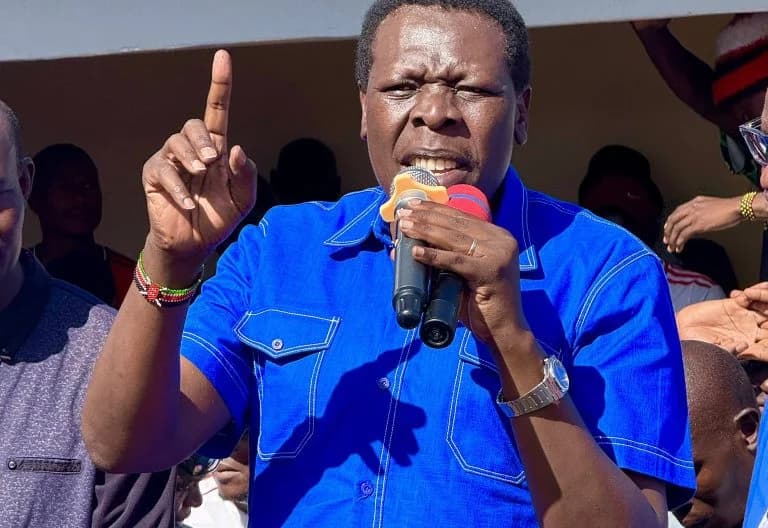
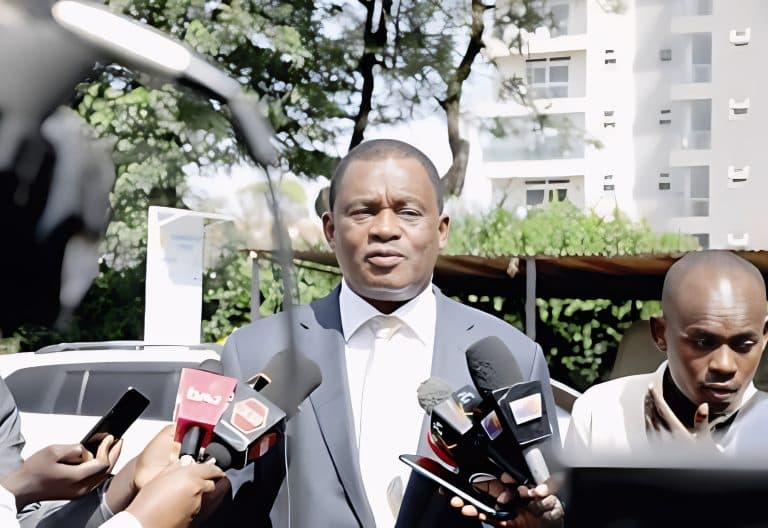
NAIROBI, KENYA – Allegations of state-sponsored violence, voter intimidation, and electoral malpractice have marred a series of 22 by-elections held across Kenya on Thursday, November 27, 2025. Democratic Action Party-Kenya (DAP-K) leader Eugene Wamalwa has been at the forefront of these accusations, claiming that police and hired goons were deployed to disrupt voting and manipulate outcomes in key battlegrounds, particularly the Malava parliamentary contest.
Speaking in Malava on Thursday, Mr. Wamalwa condemned what he described as “heavy bribery and vote-buying attempts” and urged voters to resist fear-mongering. His statements came amidst a volatile situation on the ground, where a vehicle belonging to him was set ablaze by a mob in Manyonje, Butali Ward. Furthermore, the DAP-K candidate for Malava, Seth Panyako, was arrested on election day under unclear circumstances after alleging an assassination attempt on his life the previous night. Panyako claimed that “government-sponsored criminals” attacked his hotel with the intent to harm him and his wife, an incident that left his driver hospitalized with stab wounds.
The by-elections, which include six parliamentary seats and several county assembly wards, are widely seen as a significant political stress test for President William Ruto’s administration and a newly formed opposition coalition. The contests in Malava and Mbeere North, in particular, have been framed as crucial tests of political dominance for key figures within the government and the opposition, shaping potential alliances for the 2027 general election.
The campaigns leading up to the polls were fraught with tension and violence. In Kasipul Constituency, clashes between rival supporters on November 6, 2025, resulted in two fatalities, prompting the Independent Electoral and Boundaries Commission (IEBC) to condemn the violence and warn of severe penalties for candidates violating the Electoral Code of Conduct. Homa Bay Town MP Peter Kaluma, serving as an ODM chief agent, sustained a head injury in an attack on polling day, further highlighting the volatility in the region.
The opposition has leveled serious allegations of a coordinated rigging plot. Leaders, including Wiper's Kalonzo Musyoka and DCP's Rigathi Gachagua, claimed the government planned to use hired goons and pre-marked ballot papers to stuff boxes in Malava, Magarini, and Mbeere North. Mr. Panyako specifically alleged a plan to introduce 10,000 pre-marked ballots in Malava favoring the United Democratic Alliance (UDA) candidate, David Ndakwa.
Conversely, the ruling UDA party has dismissed these claims, accusing the opposition of orchestrating the chaos. UDA Party Chairperson Cecily Mbarire, speaking on Wednesday, November 26, alleged that the opposition had imported goons to disrupt voting in UDA strongholds in Mbeere North. Public Service Cabinet Secretary Geoffrey Ruku supported these claims, stating that opposition-sponsored goons had terrorized innocent people. Mr. Ndakwa, the UDA candidate in Malava, accused his opponents of attempting to intimidate voters and expressed confidence in his victory.
In response to the escalating tensions, security was heightened across all polling areas. The National Police Service deployed over 4,200 officers, with additional units on standby. Acting Inspector General of Police Douglas Kanja issued a statement on November 26, warning that any individual engaging in unlawful activities would face the full force of the law and affirming the police service's independence. Interior Cabinet Secretary Kithure Kindiki also issued a stern warning against ferrying goons to polling stations, stating that not only the individuals but also their financiers and transporters would be targeted.
A point of major contention was the IEBC's decision, announced on November 25 by Commissioner Alutalala Mukhwana, to deploy both uniformed and plain-clothes police officers in contested areas. This move was heavily criticized by opposition figures, including former Cabinet Secretary Justin Muturi, who claimed the plain-clothes officers would be “state-sponsored goons.”
The IEBC, under its new chairperson Erastus Edung Ethekon, has been under immense pressure to deliver credible elections. Mr. Ethekon assured the public that the commission had engaged all security agencies to guarantee a credible process and dismissed rigging allegations as political rhetoric. The commission has repeatedly warned candidates against inciting violence, with threats of disqualification for those found culpable. As results from the 22 electoral areas are awaited, the conduct of these by-elections and the subsequent response from state institutions will be critically scrutinized for their implications on Kenya's democratic process.
Keep the conversation in one place—threads here stay linked to the story and in the forums.
Sign in to start a discussion
Start a conversation about this story and keep it linked here.
Other hot threads
E-sports and Gaming Community in Kenya
Active 9 months ago
The Role of Technology in Modern Agriculture (AgriTech)
Active 9 months ago
Popular Recreational Activities Across Counties
Active 9 months ago
Investing in Youth Sports Development Programs
Active 9 months ago
Key figures and persons of interest featured in this article
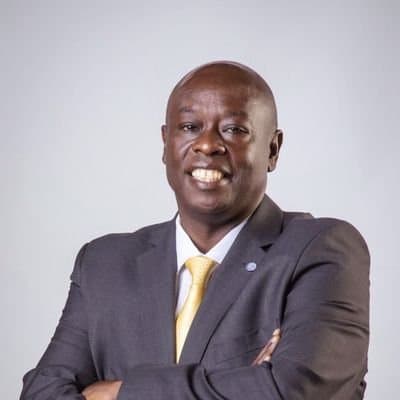
Deputy President of Kenya (2022–2024)
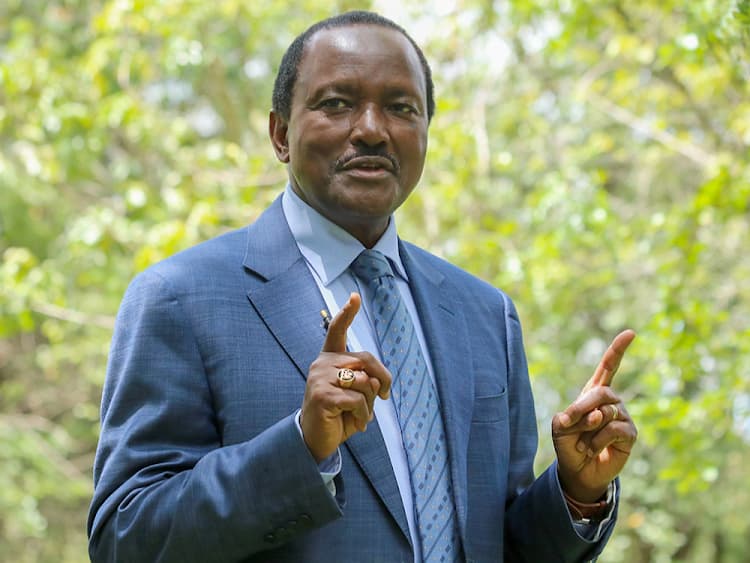
10th Vice President of Kenya (2008–2013)
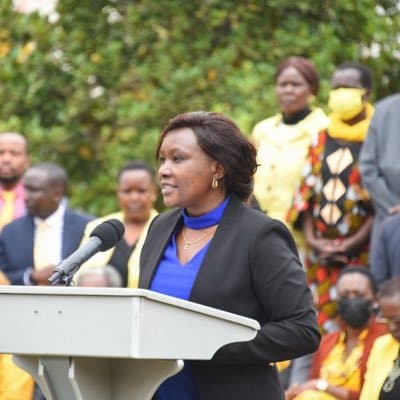
Governor of Embu County

Cabinet Secretary for Public Service and Human Capital Development
Former Cabinet Secretary, Ministry of Public Service & Human Capital Development
Member of Parliament, Malava



