We're loading the full news article for you. This includes the article content, images, author information, and related articles.
President Bola Tinubu has signaled a new, decisive phase in Nigeria's war against insecurity, calling for intensified state collaboration and foreign aid.

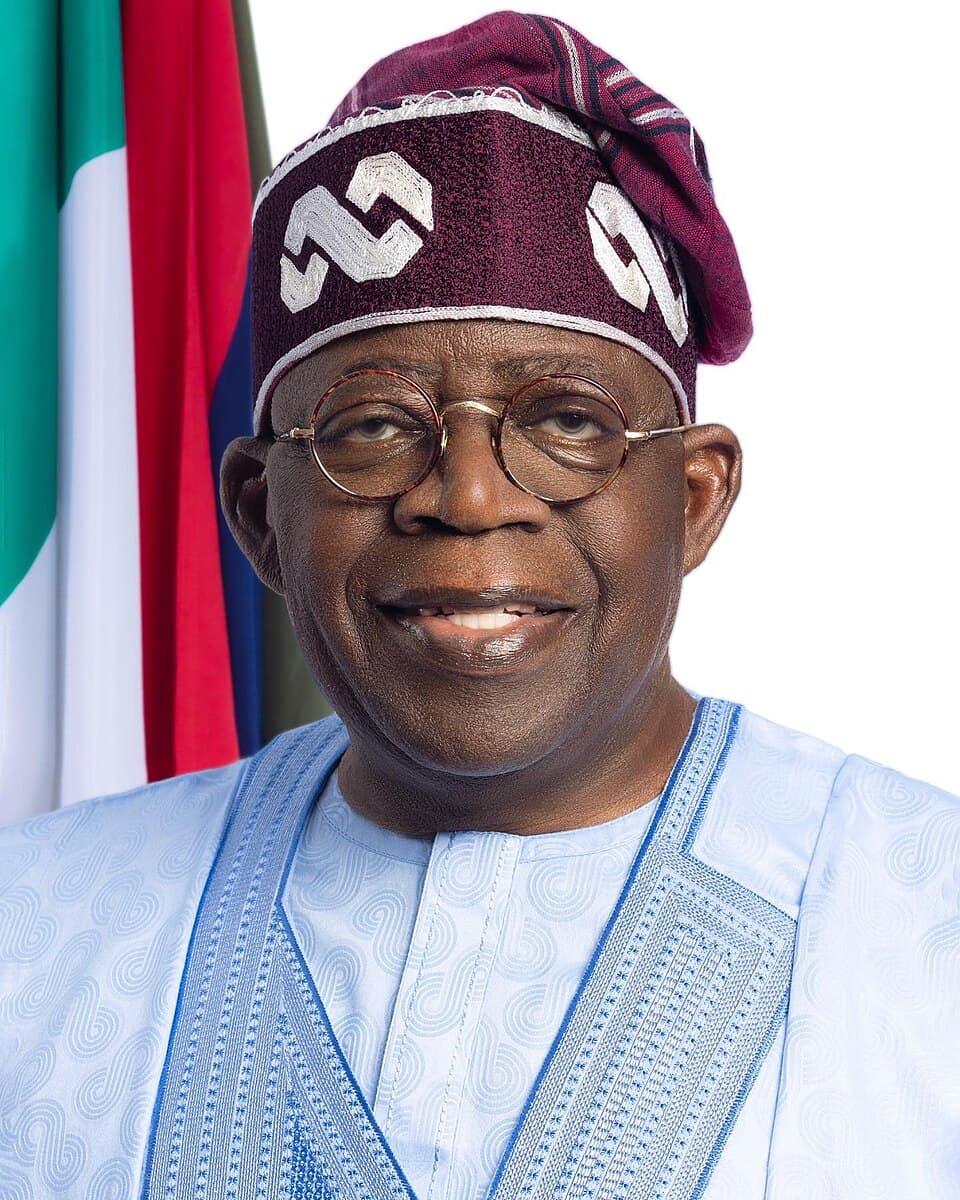
President Bola Ahmed Tinubu has declared a new, decisive phase in Nigeria's war against insecurity, demanding intensified collaboration from state governors while signaling a pivot toward deepened international military partnerships. Speaking from his Lagos residence on Sunday, March 22, 2026, amid the Eid-el-Fitr holiday, the President framed the nation's security challenges as the singular, most significant barrier to economic prosperity and national development.
This declaration comes as Nigeria grapples with a complex tapestry of threats—ranging from jihadist insurgency in the North East to persistent banditry in the North West—that continue to test the limits of the state's coercive capacity. With the 2026 Global Terrorism Index ranking Nigeria fourth globally for terrorist attacks, the stakes for the administration have moved beyond political posturing to a critical necessity for survival.
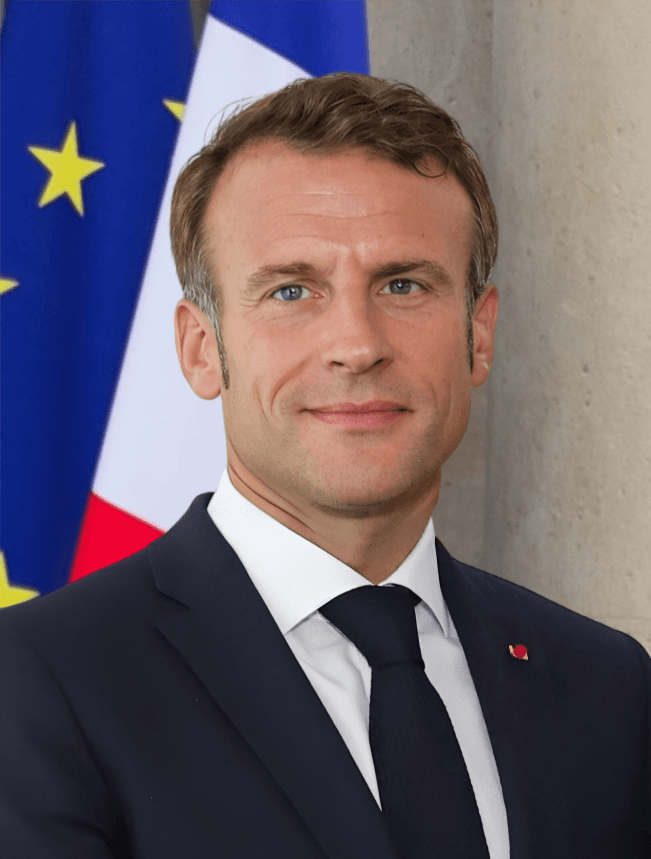
President Tinubu’s strategy appears anchored on a dual-track approach: revitalizing domestic policing through state-level reforms and securing modern, foreign-sourced military hardware. Following a high-stakes state visit to the United Kingdom, where he held discussions with Prime Minister Keir Starmer, the President revealed that negotiations for security equipment and intelligence support have expanded to include the French government. In a direct address to the 23 state governors present, Tinubu disclosed that he held extensive talks with French President Emmanuel Macron to accelerate collaboration in counter-terrorism operations.
The administration intends to leverage Nigeria’s diplomatic goodwill and existing credit lines to acquire specialized technology and tactical training. For security analysts, this represents a significant shift. The focus is no longer merely on increasing troop numbers but on closing the technological gap that insurgent groups—who are increasingly utilizing drones and sophisticated tactical communication—have exploited. This international push is aimed at modernizing the Nigerian Armed Forces, moving them toward an intelligence-led architecture capable of countering non-state actors who are deeply embedded in rural landscapes and under-governed spaces.
The President’s call for a unified front coincides with a pivotal moment in the legislative journey toward decentralized policing. The Nigeria Governors' Forum (NGF), led by Kwara State Governor AbdulRahman AbdulRazaq, confirmed that discussions regarding the establishment of state police have reached an advanced stage. The governors are preparing to submit a formal framework to the National Assembly, a move that would fundamentally alter Nigeria's constitutional security arrangement.
The debate surrounding state police has historically been polarized. Supporters argue that local, state-controlled units are essential for rapid response and intelligence gathering, as they are better attuned to regional dynamics than a centralized federal police force. Conversely, critics express concerns over the potential for state governors to weaponize such forces against political opponents. The administration’s current stance—seeking a balance between state-level operational autonomy and federal oversight—suggests a pragmatic attempt to bridge this divide, recognizing that the federal government alone can no longer secure the nation’s vast geography.
Beyond the immediate human toll, the economic implications of the current insecurity are staggering. President Tinubu cautioned the gathered governors that the ongoing crisis in the Middle East is likely to spike domestic inflation, further straining a population already contending with the direct costs of terrorism. When agriculture is disrupted by insecurity, transport corridors are blocked, and supply chains are severed, the result is a contraction in economic output that disproportionately affects the most vulnerable.
For a reader in Nairobi, the Nigerian situation offers a stark lesson in the challenges of regional stability. Much like Kenya's own efforts to manage border security and counter-radicalization in the North Eastern frontier, Nigeria is learning that security is a co-production. It requires a seamless integration of local intelligence, federal policy, and international cooperation. The success or failure of the administration’s new approach—leveraging French and British technological expertise while empowering local states—will likely serve as a blueprint or a warning for other African nations struggling with similar security paradoxes.
As the administration moves to implement these reforms, the pressure to deliver measurable results will only intensify. The public is no longer satisfied with general promises of safety they demand an end to the cycle of violence. Whether the synthesis of new international partnerships and localized policing can break the back of Nigeria’s insecurity will be the defining test of the current administration’s tenure. The coming months will reveal if this coordinated strategy can transform from a declaration of intent into a permanent restoration of public safety.
Keep the conversation in one place—threads here stay linked to the story and in the forums.
Sign in to start a discussion
Start a conversation about this story and keep it linked here.
Other hot threads
E-sports and Gaming Community in Kenya
Active 10 months ago
The Role of Technology in Modern Agriculture (AgriTech)
Active 10 months ago
Popular Recreational Activities Across Counties
Active 10 months ago
Investing in Youth Sports Development Programs
Active 10 months ago
Key figures and persons of interest featured in this article