We're loading the full news article for you. This includes the article content, images, author information, and related articles.
IEA warns of severe global energy crisis as conflict in the Middle East impacts supply routes, threatening a global energy shock worse than 1973 and 1979.

The silence over the Strait of Hormuz is no longer peaceful it is ominous. As the conflict between the US, Israel, and Iran grinds into its twenty-fourth day, the lifeblood of the global economy—crude oil—is beginning to clot in the world’s most vital maritime chokepoint. With tankers idling and insurance premiums for passage through the Gulf skyrocketing to prohibitive levels, the International Energy Agency (IEA) has issued a stark warning that carries the weight of a historic inflection point.
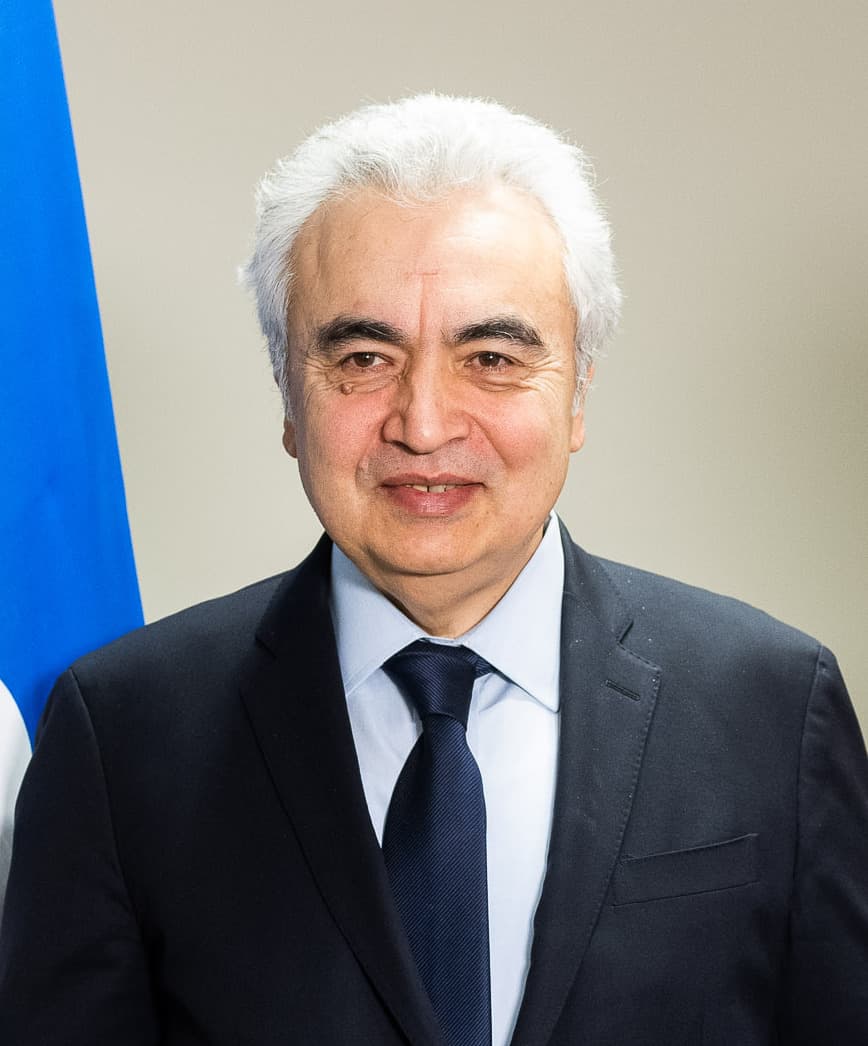
Fatih Birol, the Executive Director of the IEA, has characterized the current market contraction as exceeding the combined supply shocks of the 1973 Arab oil embargo and the 1979 Iranian Revolution. With an estimated 10 million barrels per day (mbpd) of production and transit capacity effectively sidelined, the world is facing an energy volatility crisis that threatens to undo the post-pandemic economic recovery and push developing markets, including Kenya, to the brink of fiscal instability.
The severity of this crisis lies not merely in the volume of lost supply but in the suddenness of the disruption. Energy markets thrive on predictability when that is replaced by the acute uncertainty of a kinetic regional conflict, the mechanisms of global trade break down. The Strait of Hormuz, through which roughly 20 percent of the world’s petroleum consumption flows, has become a paralyzed artery.
Market analysts note that previous shocks were often buffered by strategic petroleum reserves and alternative supply chains that had months to adjust. This conflict, however, has triggered an immediate and aggressive pricing reaction. Because the current geopolitical standoff involves major exporters and key maritime routes, the ability for nations to pivot to alternative suppliers is severely constrained. The market is not just reacting to lost barrels it is pricing in the fear of a total closure of the Gulf, an eventuality that would force global crude prices into uncharted territory.
For a reader in Nairobi, this is not a distant geopolitical abstraction but an impending domestic economic crisis. Kenya, a net importer of refined petroleum, is uniquely vulnerable to spikes in global oil prices. The transmission mechanism from the global market to the local pump is rapid and ruthless. As global benchmarks soar, the Energy and Petroleum Regulatory Authority (EPRA) is forced to adjust local prices upward, effectively importing inflation.
Economists at the Central Bank of Kenya warn that a sustained increase in fuel prices will ripple across the entire value chain. Transport costs, which account for a significant portion of consumer price indices, are already rising, putting upward pressure on food prices and essential goods. Furthermore, the pressure on the Kenyan Shilling is intensifying. As the country must spend more foreign exchange reserves to procure the same volume of fuel, the balance of payments is increasingly under strain, threatening the stability of the local currency against the US dollar.
The impact is being felt in the industrial zones of Nairobi and the agricultural hubs of the Rift Valley. Logistics firms are already reporting a reduction in fleet utilization as diesel costs threaten to erode thin profit margins. Small and medium enterprises, which rely on affordable electricity and transport, face an existential threat if these energy prices remain elevated for an extended period.
Governments across the globe are attempting to mitigate the damage, but their tools are limited. Strategic reserves, while helpful, are finite resources intended for emergency supply rather than long-term price suppression. There is a palpable tension between the immediate need to curb inflation and the long-term necessity of energy security. In Washington and Brussels, policymakers are weighing the strategic necessity of the conflict against the economic cost of an energy-starved world. This duality—the need to contain regional aggression versus the need to keep the global economy afloat—is the defining dilemma of this month.
Professor Samuel Gitonga, a regional energy economist based in Nairobi, argues that the global community has spent the last decade underestimating the fragility of energy supply chains. By focusing heavily on diversification of energy sources without addressing the underlying logistical vulnerabilities of the current oil regime, the global economy has remained tethered to a system that can be severed by a single regional conflict. He notes that while transition to renewables is a strategic imperative, the current crisis exposes how dangerously dependent nations remain on legacy fuel systems.
In the trading hubs of the Middle East, the mood is one of guarded panic. Shipmasters are anchored off the coast of the UAE, awaiting instructions that the maritime insurance underwriters are increasingly unwilling to provide. The human cost of this delay is significant the crews, isolated and vulnerable, are caught in a standoff that has very little to do with their cargo. This is the reality of the war’s twenty-fourth day: not just falling production numbers, but a total freezing of the logistical veins that keep the global economy beating.
As the international community watches, the primary question remains: how long can the world sustain this level of energy disruption before the systemic consequences become irreversible? The IEA warning is clear the world is currently operating in a vacuum of supply security that has no modern precedent. The resolution of this crisis will not be found in energy markets alone, but in the diplomatic halls where the terms of this war are being dictated, far away from the oil terminals where the true cost is being measured.
Whether this conflict triggers a global recession or merely a prolonged period of high-cost volatility will depend on the duration of the current stalemate. History suggests that oil shocks are rarely short-lived they burn through the global economy, leaving behind a legacy of debt, inflation, and structural adjustment. For now, the world waits, watching the Strait of Hormuz, knowing that the peace and prosperity of the last few years are increasingly fragile.
Keep the conversation in one place—threads here stay linked to the story and in the forums.
Sign in to start a discussion
Start a conversation about this story and keep it linked here.
Other hot threads
E-sports and Gaming Community in Kenya
Active 10 months ago
The Role of Technology in Modern Agriculture (AgriTech)
Active 10 months ago
Popular Recreational Activities Across Counties
Active 10 months ago
Investing in Youth Sports Development Programs
Active 10 months ago
Key figures and persons of interest featured in this article