We're loading the full news article for you. This includes the article content, images, author information, and related articles.
Opposition leaders allege state repression in a series of confrontations with security forces, raising concerns about Kenya’s democratic space and political stability.

The Kenyan political landscape is bracing for a sustained period of volatility as opposition leaders allege that the Executive is weaponizing state machinery to silence dissent and disrupt political mobilization ahead of the 2027 election cycle.
The simmering tensions between the Kenya Kwanza administration and the united opposition reached a flashpoint this past weekend in Meru County, marking a disturbing escalation in what critics describe as a systematic campaign of intimidation. As the political temperature rises, questions regarding the boundaries of executive authority and the sanctity of constitutional freedoms are taking center stage in the national discourse.
The latest episode of political friction occurred on Sunday, March 8, 2026, at the Kaaga Methodist Church in Meru. Former Deputy President Rigathi Gachagua, Wiper party leader Kalonzo Musyoka, and Democratic Party leader Justin Muturi reported being physically blocked by police officers from accessing the church premises. The opposition coalition alleged that these security measures were executed under the direct instructions of Deputy President Kithure Kindiki, who was also in attendance for the induction of Bishop David Muthuia Mwiti.
For the opposition, the incident was not merely a logistical failure but a calculated act of political repression. Wiper leader Kalonzo Musyoka described the blockade as a violation of Articles 32, 36, and 37 of the Kenyan Constitution, which guarantee the freedom of religion, association, and assembly. "This is a deliberate, unconstitutional act carried out on a Sunday morning in the house of God against Kenyans exercising their basic rights," Musyoka stated, emphasizing that the use of state security forces to manage political competitors signals an erosion of democratic norms.
Political analysts observing the trend point out that the Meru incident is part of a wider, more worrying pattern. The weekend saw a series of actions that opposition figures believe are designed to weaken their political influence in key regions. Notably, just 24 hours prior to the church incident, a late-night police operation in Siaya County resulted in the arrest of several aides and the lead bodyguard of Governor James Orengo.
The opposition leadership views these events as evidence of a multi-pronged strategy by the government to:
The government, led by President William Ruto and Deputy President Kithure Kindiki, maintains that security operations are conducted independently by the National Police Service to ensure public order. However, the optics of these operations have drawn sharp criticism from civil society organizations and legal scholars. The Law Society of Kenya (LSK) has previously cautioned against the politicization of the police force, arguing that such actions undermine public trust in state institutions.
As the administration pivots toward its "Bottom-up Economic Transformation Agenda" (BETA), it faces the paradox of maintaining order while upholding the democratic rights that define Kenya’s political framework. Critics argue that the current trajectory, if unchecked, risks alienating a populace already frustrated by high living costs and infrastructure failures, such as the drainage crisis in Nairobi that has resulted in fatalities.
With the 2027 general election approaching, the political environment is becoming increasingly hostile. The opposition has vowed to pursue legal and constitutional avenues to address what they term as the "weaponization of the police." Meanwhile, the government remains focused on its legislative agenda, including the controversial privatization of key state assets.
Ultimately, the stability of Kenya’s democracy may hinge on the ability of state actors to distinguish between legitimate security enforcement and political overreach. As Gachagua warned, reliance on force to navigate political dissent could be a sign of leadership dead ends. Whether the government shifts its approach or continues its current strategy will remain the defining question of Kenya’s political narrative for the remainder of this fiscal year.
Keep the conversation in one place—threads here stay linked to the story and in the forums.
Sign in to start a discussion
Start a conversation about this story and keep it linked here.
Other hot threads
E-sports and Gaming Community in Kenya
Active 9 months ago
The Role of Technology in Modern Agriculture (AgriTech)
Active 9 months ago
Popular Recreational Activities Across Counties
Active 9 months ago
Investing in Youth Sports Development Programs
Active 9 months ago
Key figures and persons of interest featured in this article
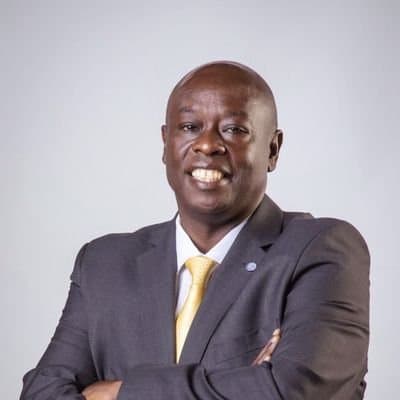
Deputy President of Kenya (2022–2024)
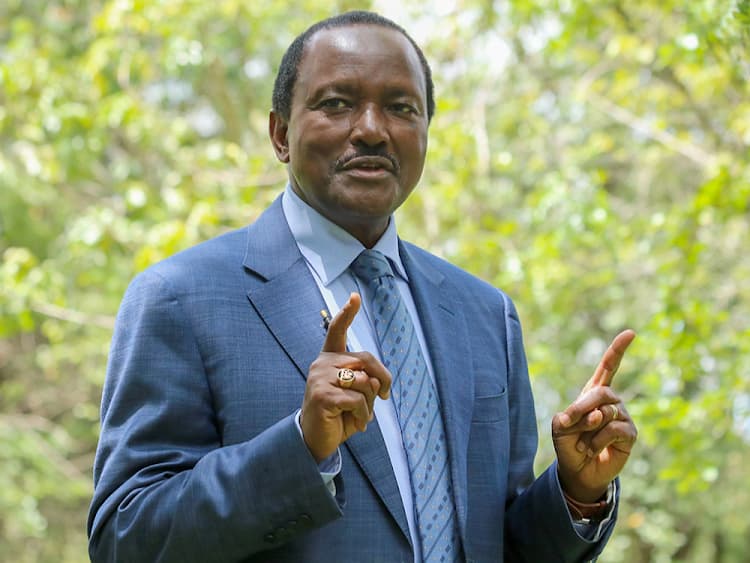
10th Vice President of Kenya (2008–2013)
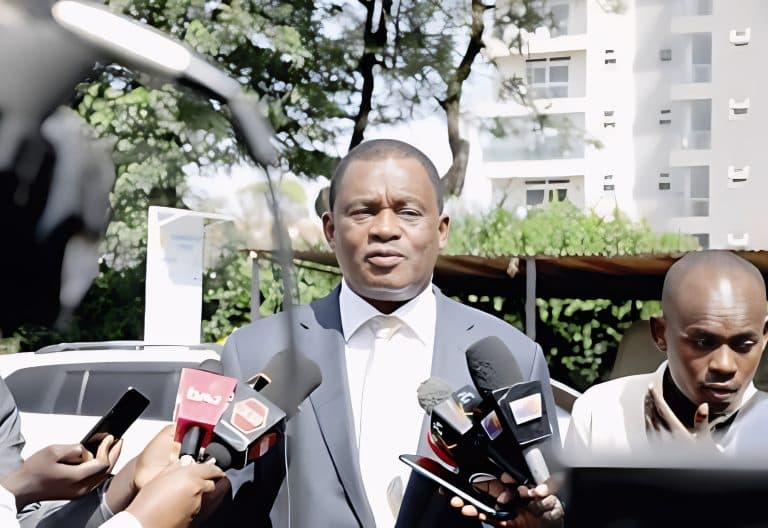
Former Cabinet Secretary, Ministry of Public Service & Human Capital Development
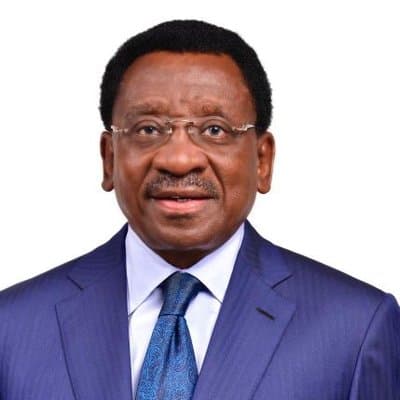
Governor of Siaya County



