We're loading the full news article for you. This includes the article content, images, author information, and related articles.
The Orange Democratic Movement (ODM) has executed a ruthless purge of dissident lawmakers from lucrative parliamentary committees, signaling an iron-fisted approach to enforcing party discipline.

The Orange Democratic Movement (ODM) has executed a ruthless purge of dissident lawmakers from lucrative parliamentary committees, signaling an iron-fisted approach to enforcing party discipline amid shifting political alliances within the broad-based government.
Dissenting voices within the Orange Democratic Movement have been met with swift and decisive retribution on the floor of the National Assembly. In a calculated maneuver, the party leadership stripped critical committee assignments from lawmakers opposing the new broad-based government structure.
This aggressive reshuffle underscores a zero-tolerance policy for insubordination within the opposition ranks. By sidelining critics and elevating loyalists, ODM is consolidating its power base and sending an unequivocal message that party supremacy outweighs individual political postures, fundamentally reshaping the legislative landscape ahead of the next electoral cycle.
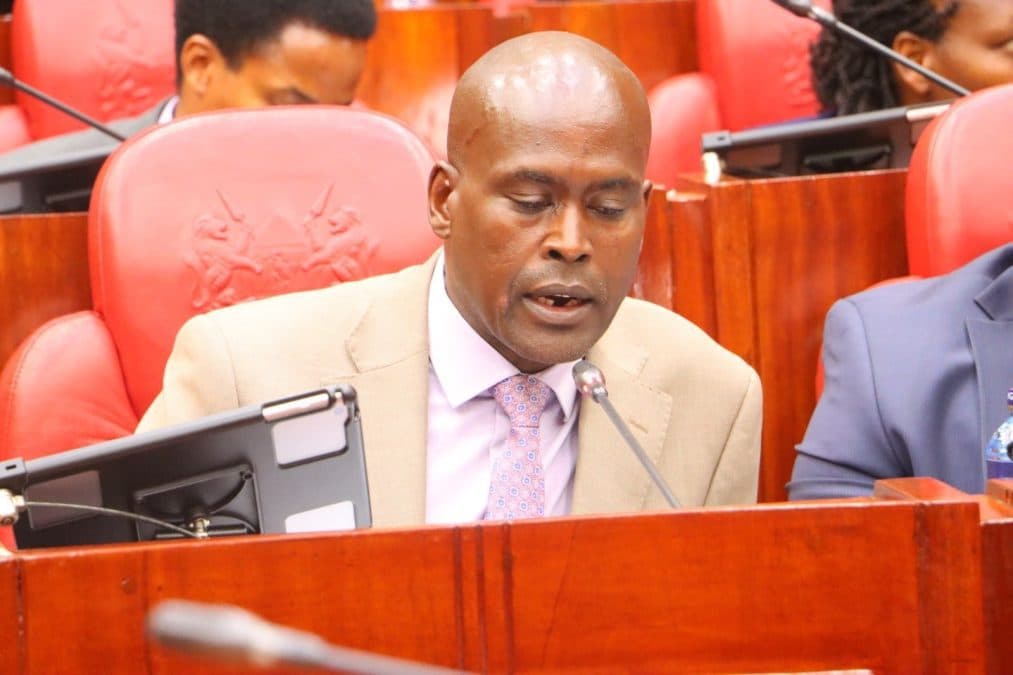
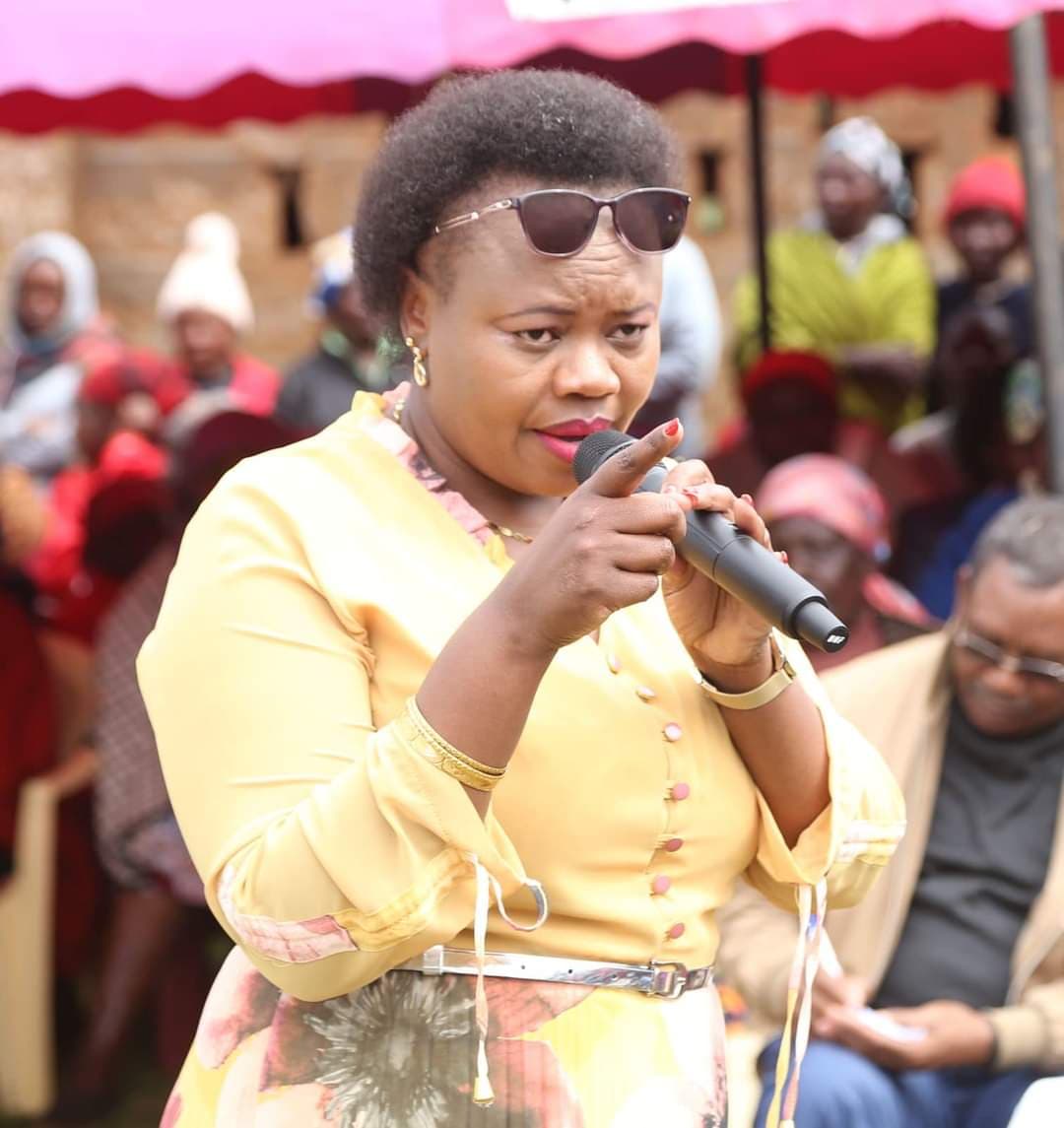
The recent parliamentary shake-up orchestrated by the Orange Democratic Movement (ODM) represents one of the most significant disciplinary actions taken by the party in recent history. Lawmakers who have openly opposed the controversial broad-based government arrangement found themselves abruptly removed from influential committee positions on Tuesday. This systematic removal was not merely a procedural adjustment; it was a deeply political execution designed to reassert the authority of the party's central command. Suba South Member of Parliament Caroli Omondi, a prominent figure who recently found himself at odds with the party's strategic direction, was notably ousted from his prestigious role on the Constitution Implementation and Oversight Committee (CIOC). The leadership acted swiftly to replace him with Githunguri MP Gathoni Wamuchomba, a legislator who has recently demonstrated unyielding support for the broad-based government initiative.
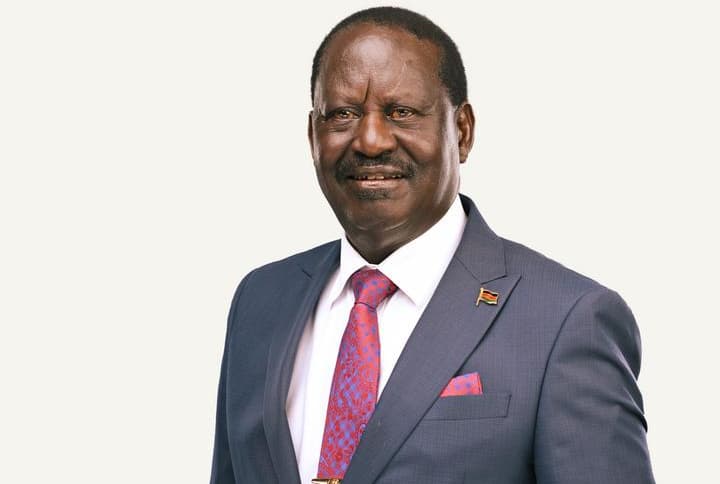
The reassignment of these critical roles highlights the intense factional battles currently raging within the corridors of power. By elevating allies to powerful oversight committees, the pro-government faction within ODM is effectively neutralizing its internal opposition. The message from the top echelon is unmistakable: political survival within the party is now strictly contingent upon absolute loyalty to the newly established broad-based political consensus. The removal of Caroli Omondi, who had previously been floated as a potential secretary general of the Azimio la Umoja One Kenya Coalition, signifies a decisive blow to the dissident wing of the party.
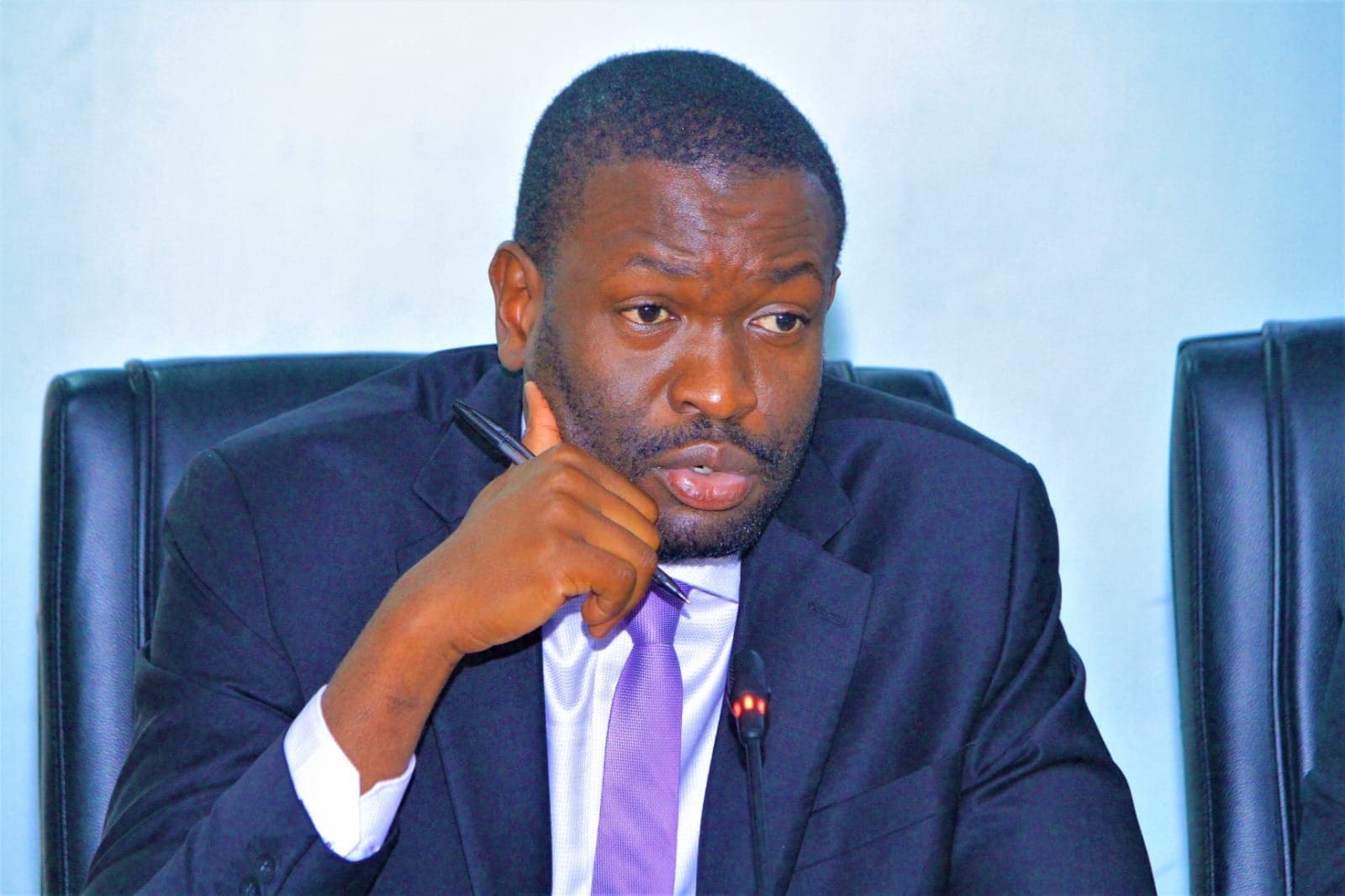
The purge extended far beyond a single committee, sweeping up several high-profile critics who have dared to challenge the party's new trajectory. Kisumu Woman Representative Ruth Odinga, a vocal detractor of the broad-based government and sister to the former ODM party leader Raila Odinga, was not spared. In a move that sent shockwaves through the political establishment, she was removed from the vital Agriculture Committee and relegated to the significantly less influential Committee on Members' Services and Facilities. Her demotion is widely interpreted as direct retaliation for her public defense of embattled Secretary General Edwin Sifuna and her relentless questioning of the party's evolving alliances.
The reorganization of parliamentary duties was executed with surgical precision, targeting those who have publicly undermined the leadership's authority. Minority Leader Junet Mohammed did not mince words when addressing the sweeping changes. He explicitly warned that the reshuffle was merely the opening salvo in a broader campaign to restore order. "I am serving a warning," Junet declared emphatically. "Anyone who will not adhere to party positions will relinquish their committee positions to lesser ones so that they know that it is parties which reward people to positions." His statement served as a chilling reminder to all ODM legislators that their parliamentary privileges are entirely dependent on their unwavering adherence to the party line.
While the critics were summarily demoted, lawmakers who have actively aligned themselves with the broad-based government were handsomely rewarded. The strategic placement of pro-government MPs into key committees ensures that the party's legislative agenda will face minimal internal resistance. Gathoni Wamuchomba's elevation to the Constitution Implementation and Oversight Committee is a prime example of this reward system in action. Her recent political maneuvering and vocal support for the new coalition dynamics have clearly paid dividends, granting her a powerful platform to influence national policy.
This calculated redistribution of power within the National Assembly has profound implications for Kenya's political future. As the nation inches closer to the 2027 general elections, the ability of political parties to maintain internal cohesion will be tested like never before. The ODM leadership's decision to rule with an iron fist may temporarily quell public dissent, but it also risks alienating significant segments of its traditional support base. The success of this high-stakes gamble will ultimately depend on whether the broad-based government can deliver tangible benefits to the electorate, thereby validating the party's controversial shift in strategy.
The ruthless enforcement of party discipline observed in the ODM purge is not an isolated phenomenon but rather a reflection of broader political trends across East Africa. In democracies where political parties are often characterized by fluid alliances and personality-driven politics, the struggle to maintain institutional authority is a constant challenge. The events unfolding in Kenya's National Assembly serve as a compelling case study of how party hierarchies attempt to enforce ideological conformity in the face of deep internal divisions. For political observers in Nairobi and beyond, the ODM reshuffle provides critical insights into the evolving nature of political power and the often-ruthless tactics employed to secure it.
The long-term consequences of this purge remain to be seen. While the party leadership has successfully silenced its most vocal critics for now, the underlying grievances that fueled the dissent have not been addressed. The marginalized lawmakers, stripped of their influential platforms, may choose to bide their time or actively plot a counter-offensive. As the political temperature continues to rise, the ODM's internal dynamics will undoubtedly remain a focal point of national attention, offering a fascinating glimpse into the turbulent world of Kenyan politics.
Keep the conversation in one place—threads here stay linked to the story and in the forums.
Sign in to start a discussion
Start a conversation about this story and keep it linked here.
Other hot threads
E-sports and Gaming Community in Kenya
Active 9 months ago
The Role of Technology in Modern Agriculture (AgriTech)
Active 9 months ago
Popular Recreational Activities Across Counties
Active 9 months ago
Investing in Youth Sports Development Programs
Active 9 months ago
Key figures and persons of interest featured in this article
Member of Parliament, Githunguri

Member of Parliament, Suba South
Leader of the Opposition
Senator for Nairobi County

Woman Representative, Kisumu County