We're loading the full news article for you. This includes the article content, images, author information, and related articles.
The four people shot dead by Cuban border guards in a US-registered speedboat were Cuban nationals living in the United States.

The four people shot dead by Cuban border guards in a US-registered speedboat were Cuban nationals living in the United States, escalating diplomatic tensions and maritime security concerns.
Cuban border patrol units intercepted and fired upon a high-speed vessel bearing United States registration off the northern coast, killing four heavily armed individuals onboard.
This fatal confrontation underscores the persistent volatility of the Florida Straits and serves as a critical case study for global maritime security, directly mirroring the complex coastal defense challenges faced by East African nations patrolling the porous Indian Ocean.
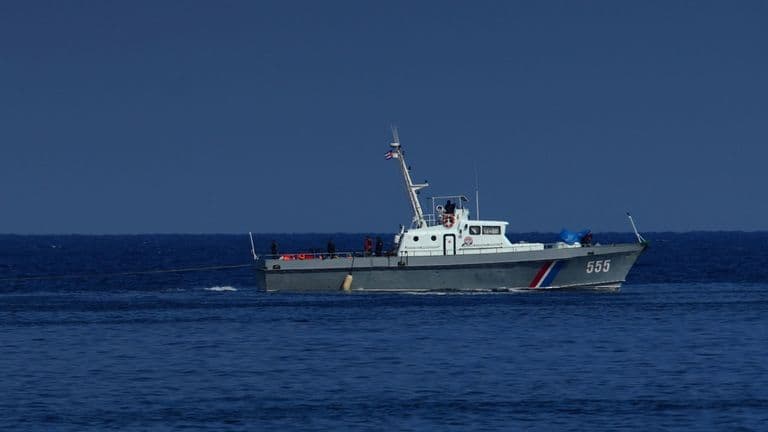
According to official statements from Havana, the vessel was identified as a US-registered speedboat attempting to breach Cuban territorial waters. The occupants, identified as Cuban exiles residing in the US, were reportedly heavily armed. When intercepted by Cuban coast guard ships currently docked at the port of Havana, a hostile exchange ensued, resulting in the four fatalities. Authorities in both nations are now navigating the diplomatic fallout of this severe maritime escalation, which threatens to unravel years of delicate bilateral negotiations.
Such cross-border maritime incursions are not isolated to the Caribbean. The dynamics of policing contested waters resonate strongly across the globe. The economic and political desperation driving these illicit voyages creates a persistent headache for coastal defense forces tasked with balancing national security against human rights obligations.
For maritime strategists in Nairobi and Mombasa, the Caribbean incident offers a sobering reflection on border control. The Kenya Coast Guard Service (KCGS) routinely intercepts vessels engaged in human trafficking, contraband smuggling, and unregulated fishing across the western Indian Ocean. The operational protocols governing the use of lethal force at sea remain a highly contentious issue under international maritime law.
As Kenya continues to invest heavily in its blue economy, securing its exclusive economic zone (EEZ) is paramount. The government's recent allocations toward expanding naval patrols reflect a growing recognition of these vulnerabilities. The situation in Cuba demonstrates how rapidly a routine interception can escalate into a deadly international incident, emphasizing the need for highly trained personnel and robust diplomatic channels to de-escalate maritime conflicts before they turn fatal.
"The sea remains an unforgiving frontier, where the line between national defense and international tragedy is drawn in water," noted a regional security analyst in Nairobi.
Keep the conversation in one place—threads here stay linked to the story and in the forums.
Sign in to start a discussion
Start a conversation about this story and keep it linked here.
Other hot threads
E-sports and Gaming Community in Kenya
Active 9 months ago
The Role of Technology in Modern Agriculture (AgriTech)
Active 9 months ago
Popular Recreational Activities Across Counties
Active 9 months ago
Investing in Youth Sports Development Programs
Active 9 months ago