We're loading the full news article for you. This includes the article content, images, author information, and related articles.
A high-seas confrontation leaves four dead as Cuban authorities intercept a US-registered vessel allegedly carrying heavily armed infiltrators on a terrorist mission.
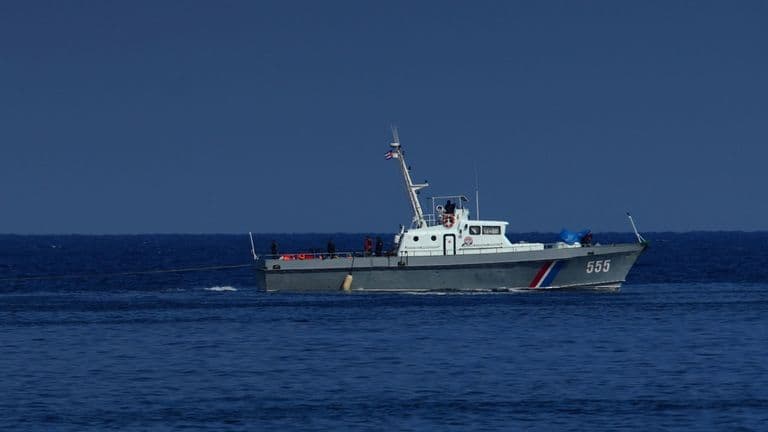
International maritime tensions have flared dramatically following a deadly confrontation off the coast of Cuba. Four Cuban nationals aboard a US-registered speedboat were shot and killed by border authorities during a high-stakes interception.
Why does this matter now? The incident threatens to severely destabilise the already fragile diplomatic relations between Havana and Washington, while raising serious global security concerns regarding the use of civilian maritime vessels for cross-border militant operations and illicit smuggling networks.
According to official statements released by the Cuban government, the fatal encounter occurred when border patrol units identified and intercepted a suspicious speedboat attempting to breach Cuban territorial waters. The vessel, which was registered in the United States, was reportedly carrying individuals heavily armed with assault weapons and tactical gear. Cuban officials have categorically stated that the passengers intended to "carry out an infiltration for terrorist purposes," aimed at destabilising the state apparatus. The resulting exchange of gunfire led to the immediate deaths of all four suspects on board.
The use of a US-registered vessel adds a highly volatile layer of complexity to the incident. Authorities in Havana are treating the event as a direct threat to national security, implicitly questioning the oversight mechanisms in Florida's maritime registration protocols. For international observers, including maritime security analysts in East Africa monitoring the volatile Indian Ocean routes, this incident serves as a stark reminder of the porous nature of maritime borders and the constant threat of seaborne insurgencies.
The diplomatic repercussions of this shootout are expected to be swift and severe. Relations between the United States and Cuba have historically been characterised by deep-seated mistrust, economic blockades, and reciprocal accusations of espionage. This latest bloodshed provides fresh ammunition for hardliners in Havana to condemn alleged imperialist aggression, while Washington will likely demand a transparent, independent investigation into the use of lethal force by Cuban border guards.
While the incident occurred in the Caribbean, its ripples are felt globally, including in Kenya where maritime security along the Swahili coast remains a top national priority. The Kenya Navy and the Coast Guard Service constantly patrol against the dual threats of terrorism and contraband smuggling originating from the high seas. The Cuban incident underscores the extreme risks law enforcement officers face when confronting heavily armed non-state actors operating under the cover of civilian maritime traffic.
Furthermore, the logistical network required to equip and launch a tactical speedboat operation suggests a sophisticated backing, either from organised crime syndicates or politically motivated exile groups. Dismantling these networks requires robust international intelligence sharing and strict enforcement of maritime registration laws to prevent the weaponisation of private watercraft.
As the international community digests the sparse details provided so far, the demand for absolute transparency grows louder. The families of the deceased, regardless of the allegations leveled against them, will undoubtedly seek legal recourse and factual clarity regarding the final moments of the high-speed chase. Meanwhile, security analysts warn that without a de-escalation of rhetoric, the Caribbean basin could see an uptick in retaliatory maritime skirmishes.
The coming weeks will be critical in determining whether this incident remains an isolated, albeit tragic, security operation, or the catalyst for a renewed era of overt hostilities between the two neighbouring nations. "The sea has always been a theatre of shadows, but when blood is spilled, the political waves crash on every shore," remarked a senior naval strategist.
Keep the conversation in one place—threads here stay linked to the story and in the forums.
Sign in to start a discussion
Start a conversation about this story and keep it linked here.
Other hot threads
E-sports and Gaming Community in Kenya
Active 9 months ago
The Role of Technology in Modern Agriculture (AgriTech)
Active 9 months ago
Popular Recreational Activities Across Counties
Active 9 months ago
Investing in Youth Sports Development Programs
Active 9 months ago