We're loading the full news article for you. This includes the article content, images, author information, and related articles.
The National Liberal Party has formally contested the restructuring of Azimio la Umoja, labeling Kalonzo Musyoka’s elevation as a breach of party law.

A cloud of uncertainty hangs over the Azimio la Umoja One Kenya Coalition as the National Liberal Party (NLP) formally challenges the legitimacy of the alliance’s recent leadership restructuring. The dispute, filed with the Office of the Registrar of Political Parties, strikes at the heart of the coalition’s governance, threatening to unravel the fragile consensus that has held the opposition alliance together in recent months.
At the center of this firestorm is the March 9, 2026, announcement by the coalition, which sought to overhaul its top-tier leadership. This restructuring included the elevation of Kalonzo Musyoka to the position of supreme coalition leader. However, the move has triggered a fierce backlash, with the NLP, led by Augustus Muli, arguing that the leadership changes were executed in blatant violation of the Political Parties Act of 2011 and the coalition’s own foundational agreements. As the opposition prepares for the 2027 electoral cycle, this legal challenge serves as a stark reminder of the volatile nature of coalition politics in Kenya.
The leadership overhaul, which ignited the current crisis, was framed by Azimio strategists as a necessary consolidation of power. The purge was swift and expansive, effectively sidelining several political heavyweights who had previously been instrumental in the coalition’s parliamentary and administrative operations. The list of those removed from their positions is significant:
The coalition leadership defended these sweeping removals by citing what they described as inherent conflicts of interest. Insiders within Azimio alleged that some of the purged members had developed compromising ties to rival political blocs or had taken up public appointments that rendered their continued participation in the opposition alliance untenable. Yet, critics argue that the move was less about ethical purity and more about centralizing authority around specific power brokers, a critique that the National Liberal Party has now formalized in its legal petition.
The core of the NLP’s objection lies in the procedural rigor required by Kenyan law. The Political Parties Act of 2011, alongside the Constitution of Kenya 2010, mandates that any changes to party or coalition leadership must adhere to clearly defined internal dispute resolution mechanisms. The NLP contends that the Azimio leadership failed to observe these requirements, specifically regarding the declaration of vacancies.
According to the argument presented by Muli and his legal team, a position cannot be filled if it has not been constitutionally vacated through a formal, documented process. By bypassing these steps, the coalition leadership has allegedly bypassed the foundational documents that were deposited with the Registrar of Political Parties at the inception of the alliance. If a court or the Registrar finds merit in these claims, it could lead to a catastrophic invalidation of the new appointments, forcing the coalition into a humiliating reversal.
Augustus Muli has maintained a combative stance, characterizing the elevation of Kalonzo Musyoka not as a consolidation, but as an irregular seizure of power that undermines the inclusive spirit of the original Azimio agreement. For the NLP, this is a matter of institutional integrity. They argue that if the coalition allows senior leaders to dictate changes without democratic consensus, the entire democratic premise of the opposition becomes a charade.
Political analysts at the University of Nairobi suggest that this internal friction is symptomatic of a wider malaise affecting Kenyan political coalitions. Unlike established political parties with deep institutional histories, these coalitions often function as temporary marriages of convenience. When the pressure to align for general elections mounts, the structural weaknesses—such as vague dispute resolution clauses or over-concentration of power—inevitably fracture the alliance.
The implications of this dispute extend far beyond a single legal filing. If the Azimio coalition cannot navigate its internal leadership transition without court interference, its capacity to present a united front against the ruling administration is severely compromised. For the average Kenyan voter, who has seen these cycles of formation and fracture repeat for decades, the current wrangles signify a lack of long-term political maturity.
As the legal teams representing both the National Liberal Party and the Azimio secretariat prepare for what is likely to be a prolonged hearing before the Registrar of Political Parties, the nation watches with anticipation. The resolution of this matter will not only define the immediate leadership of the coalition but will also set a crucial precedent for how political alliances in Kenya manage internal dissent. Whether this is a momentary tremor or the beginning of a major political realignment remains the defining question for the country’s opposition movement.
Will the coalition find a path to reconciliation, or will the legal challenge serve as the final fracture that renders the Azimio label obsolete before the next ballot is even cast?
Keep the conversation in one place—threads here stay linked to the story and in the forums.
Sign in to start a discussion
Start a conversation about this story and keep it linked here.
Other hot threads
E-sports and Gaming Community in Kenya
Active 10 months ago
The Role of Technology in Modern Agriculture (AgriTech)
Active 10 months ago
Popular Recreational Activities Across Counties
Active 10 months ago
Investing in Youth Sports Development Programs
Active 10 months ago
Key figures and persons of interest featured in this article
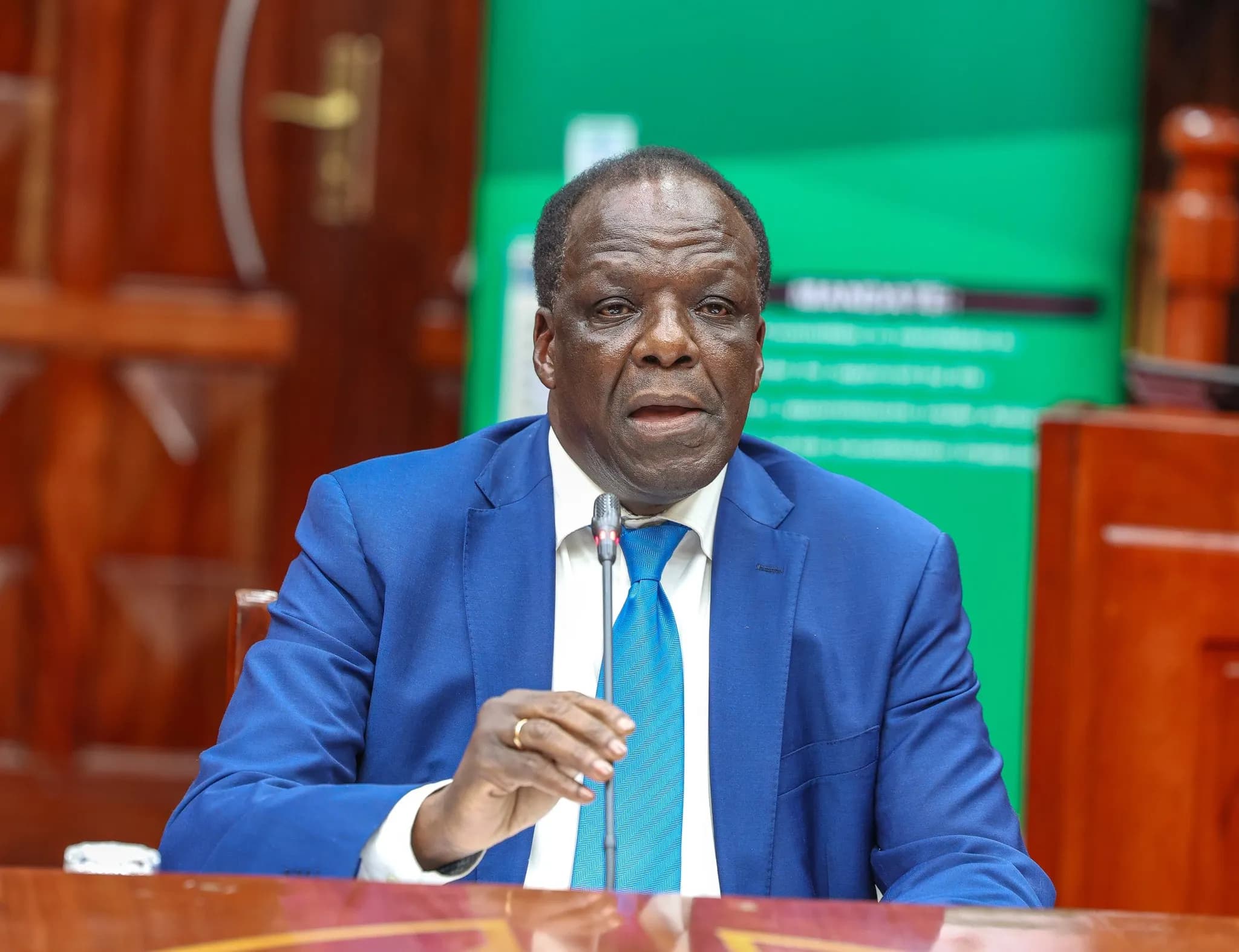
Cabinet Secretary for Cooperatives and MSME Development
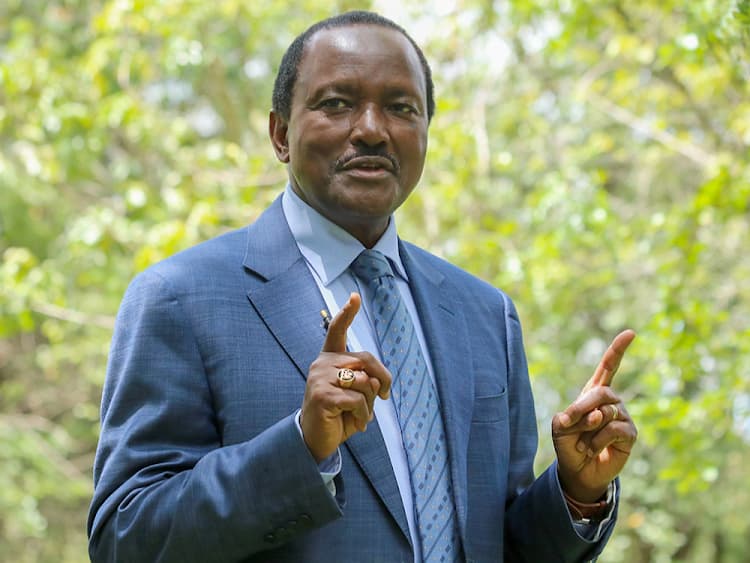
10th Vice President of Kenya (2008–2013)

Minority Whip, National Assembly & MP for Suna East

Nominated Member of Parliament
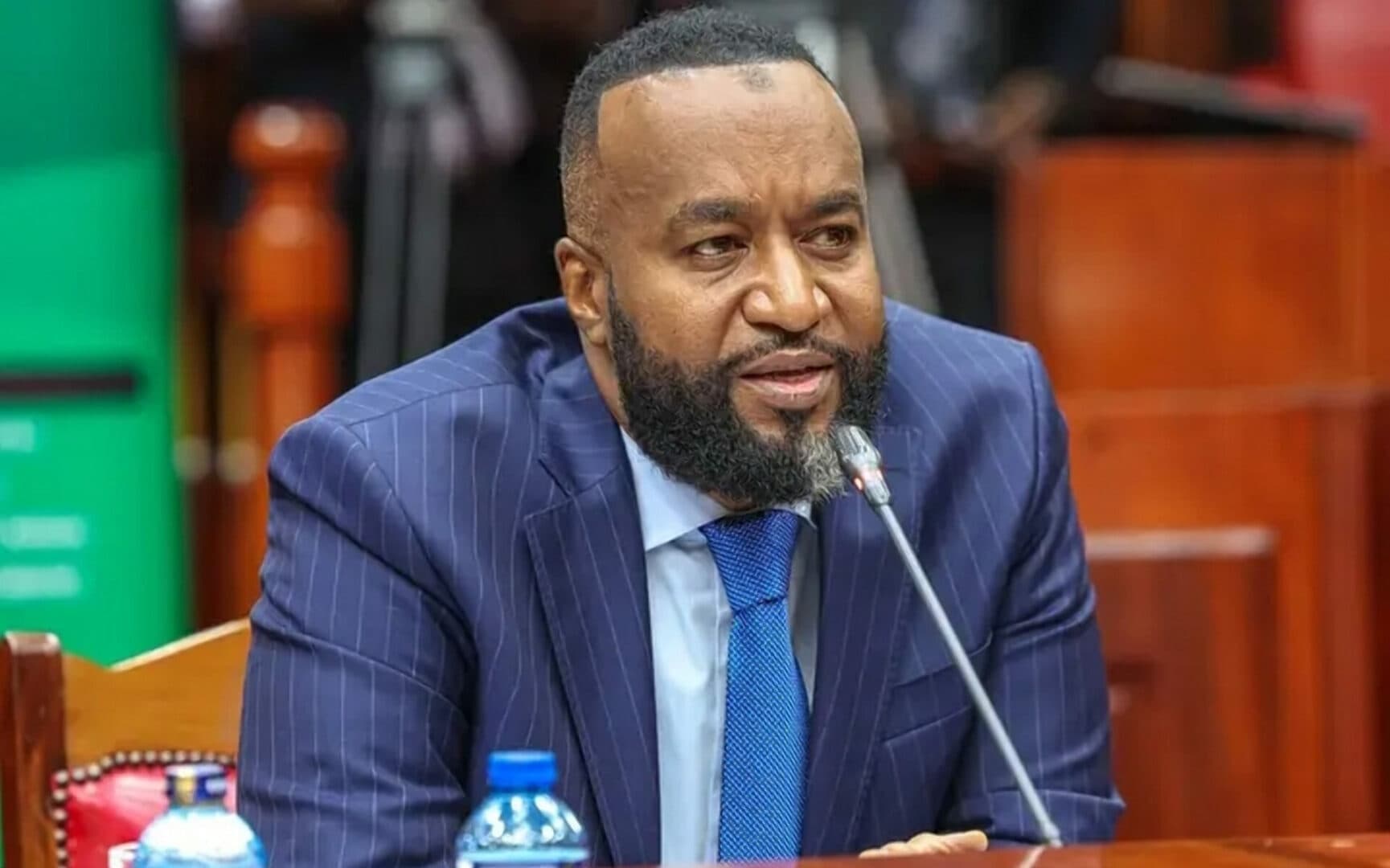
Cabinet Secretary for Mining, Blue Economy and Maritime Affairs



