We're loading the complete profile of this person of interest including their biography, achievements, and contributions.
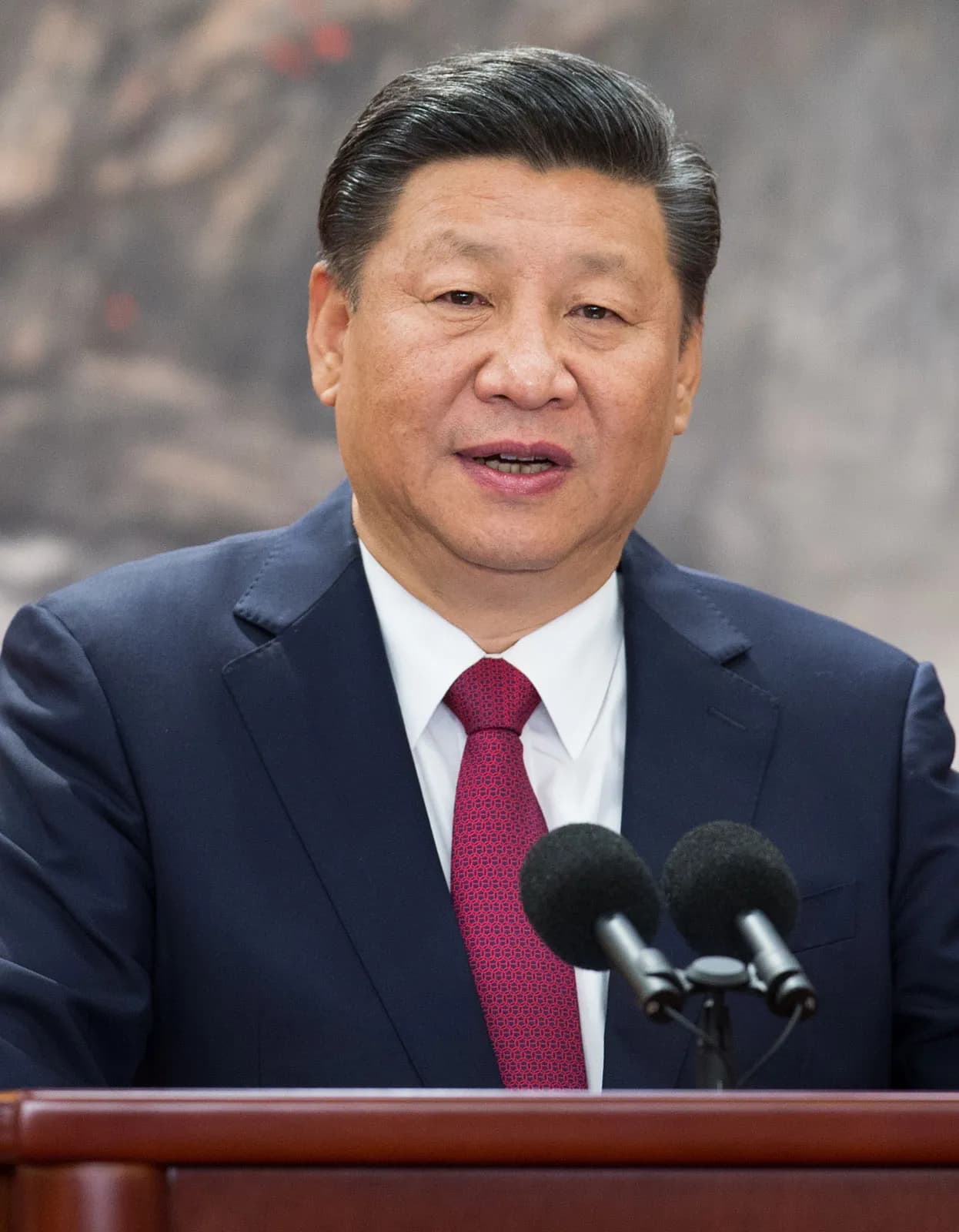
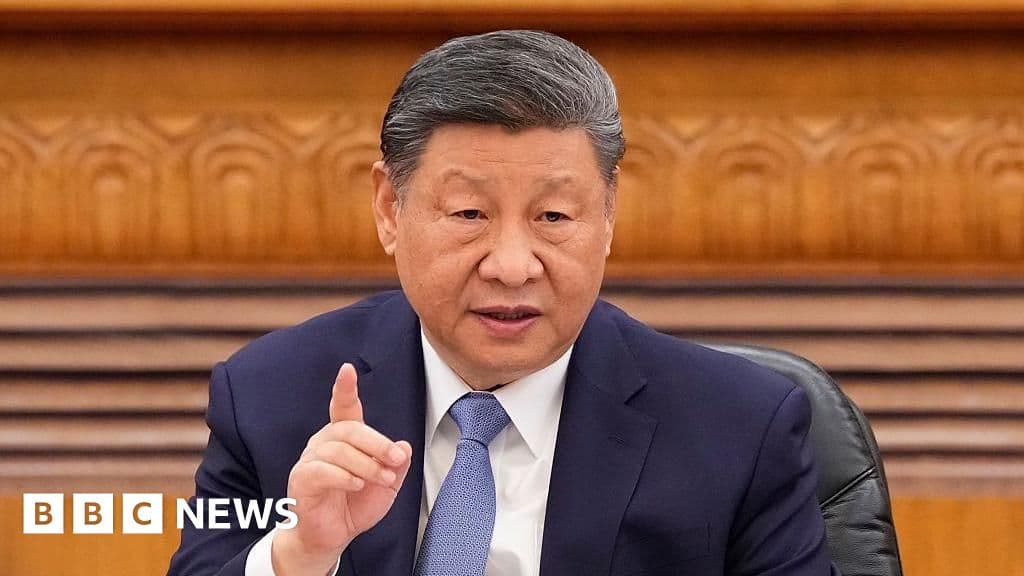
President of the People's Republic of China
Public Views
Experience
Documented career positions
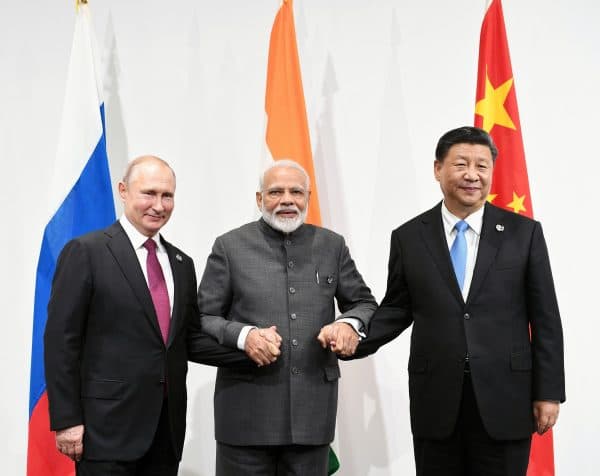
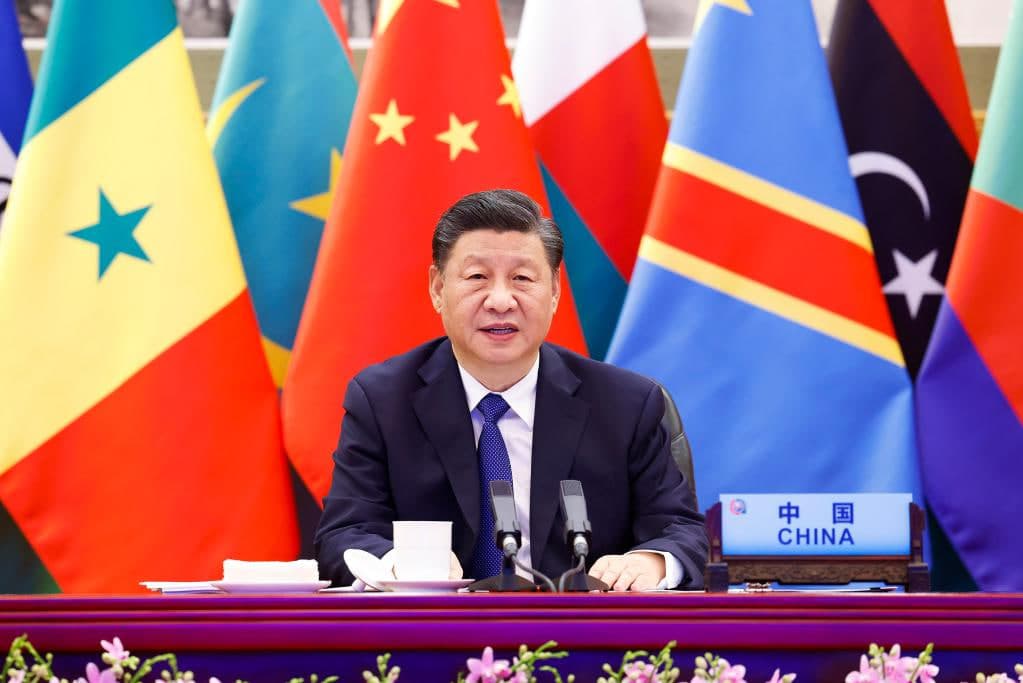
Xi Jinping (born June 15, 1953, in Beijing, China) is a prominent Chinese politician who has served as the paramount leader of the People’s Republic of China since 2012. He currently holds the three most powerful positions in the Chinese party-state apparatus: General Secretary of the Chinese Communist Party (CCP), Chairman of the Central Military Commission (CMC), and President of the People’s Republic of China. As the central figure of the fifth generation of leadership, Xi has overseen a period of significant centralization of power, economic transformation, and an assertive shift in China’s foreign and domestic policies. The son of Xi Zhongxun, a founding father of the CCP and a former vice premier, Xi Jinping was born into the elite strata of the Chinese Communist Party. His early childhood was spent in Beijing; however, his life was disrupted during the Cultural Revolution (1966–1976) when his father was purged and imprisoned. In 1969, as part of the “Down to the Countryside Movement,” the teenage Xi was sent to work in the rural village of Liangjiahe in Shaanxi province. During these seven years, he lived in a cave dwelling and engaged in manual labor, an experience that officials later framed as critical to his development and political resilience. Xi eventually returned to Beijing and, in 1975, enrolled at Tsinghua University as a “worker-peasant-soldier student,” graduating with a degree in chemical engineering in 1979. Following a brief period serving as a secretary in the Central Military Commission and the State Council, he transitioned into local governance. Over the next three decades, he ascended the party ranks through successive postings in Hebei, Fujian, and Zhejiang provinces, and later as the party secretary of Shanghai in 2007. In 2007, Xi was elevated to the Politburo Standing Committee, the highest decision-making body in China, and subsequently appointed Vice President of the PRC in 2008. He succeeded Hu Jintao as General Secretary of the CCP in November 2012 and assumed the presidency in March 2013. Upon taking office, Xi initiated a sweeping and long-running anti-corruption campaign, which targeted both high-ranking "tigers" and low-level "flies" within the party, a move widely viewed as consolidating his political authority. Under his leadership, the CCP introduced "Xi Jinping Thought on Socialism with Chinese Characteristics for a New Era," which was enshrined in the party constitution in 2017. His tenure has been marked by a shift toward more assertive foreign policy, the promotion of the Belt and Road Initiative, and increased state control over the economy and society. In 2018, the National People’s Congress abolished presidential term limits, paving the way for his indefinite tenure. In October 2022, Xi secured a historic third term as General Secretary of the CCP, and in March 2023, he was re-elected as state president for a third five-year term. Xi Jinping is married to Peng Liyuan, a renowned Chinese folk singer and performing artist, whom he wed in 1987. The couple has one daughter, Xi Mingze. Throughout his leadership, Xi has significantly altered the trajectory of modern China, emphasizing national rejuvenation, ideological discipline, and a centralized, party-led governance model.
Secured an unprecedented third term as President and General Secretary of the CCP (2023), completely consolidating executive power
Architect of the Belt and Road Initiative (BRI), a massive global infrastructure and investment project expanding Chinese influence across Asia, Africa, and Latin America
Successfully eradicated extreme rural poverty in China (according to official state metrics), achieving a primary centenary goal of the CCP
Universally condemned by international human rights organizations and Western governments for the systematic repression, mass internment, and forced labor of Uyghur Muslims in Xinjiang, which the U.S. has officially designated as a genocide
Oversaw the total dismantling of Hong Kong's democratic autonomy via the 2020 National Security Law, violently suppressing pro-democracy protests and arresting dissidents
Maintains an aggressive, heavily militarized posture toward Taiwan, frequently conducting massive military encirclement drills and refusing to rule out the use of force to achieve 'reunification'
News articles featuring Xi Jinping
Dramatically expanded and modernized the People's Liberation Army (PLA), particularly its naval and hypersonic missile capabilities
Joined the Chinese Communist Party (CCP) in 1974 while serving as a branch secretary in Liangjiahe.
Graduated from Tsinghua University in 1979 with a degree in chemical engineering.
Appointed as Deputy Secretary and later Secretary of the CCP in Zhengding County, Hebei Province, between 1982 and 1985.
Served as the executive vice mayor of Xiamen, Fujian Province, starting in 1985.
Appointed as the Party Secretary of Fuzhou City in 1990.
Elected as an alternate member of the 15th CCP Central Committee in 1997.
Served as the Governor of Fujian Province from 1999 to 2002.
Appointed as the Party Secretary of Zhejiang Province in 2002, holding the position until 2007.
Appointed as the Party Secretary of Shanghai in March 2007.
Joined the Politburo Standing Committee of the CCP in October 2007, entering the highest tier of national leadership.
Elected as the Vice President of the People's Republic of China in March 2008.
Appointed as Vice Chairman of the Central Military Commission in October 2010.
Elected as the General Secretary of the Chinese Communist Party and Chairman of the Central Military Commission in November 2012.
Elected as the President of the People's Republic of China in March 2013.
Launched the Belt and Road Initiative (BRI) in 2013 to promote global infrastructure development and connectivity.
Oversaw the inclusion of 'Xi Jinping Thought on Socialism with Chinese Characteristics for a New Era' into the CCP Constitution in 2017.
Passage of a constitutional amendment in 2018 that removed presidential term limits.
Secured a precedent-breaking third term as the General Secretary of the Chinese Communist Party in October 2022.
Re-elected as the President of the People's Republic of China for a third term in March 2023.
In 2018, the National People's Congress passed a constitutional amendment that abolished term limits for the presidency, allowing Xi to remain in power indefinitely, which drew significant international criticism regarding democratic backsliding.
Since 2017, Xi's administration has faced widespread international condemnation and accusations of human rights abuses, including the mass internment and forced assimilation of Uyghurs and other Muslim minorities in Xinjiang, which UN reports and human rights organizations have characterized as potential crimes against humanity.
In 2020, the imposition of the National Security Law on Hong Kong drew global condemnation for effectively dismantling the 'one country, two systems' framework, leading to the arrest of numerous pro-democracy activists and the suppression of civil liberties.
Throughout his tenure, Xi has overseen an extensive anti-corruption campaign that has resulted in the punishment of over a million officials; however, critics and international analysts have frequently described the campaign as a political tool used to consolidate power and purge rivals within the Chinese Communist Party.
Xi faced significant international scrutiny and criticism regarding the Chinese government's transparency and early handling of the COVID-19 outbreak in Wuhan, particularly concerning the suppression of medical whistleblowers and the delay in reporting human-to-human transmission in late 2019 and early 2020.
The construction and militarization of artificial islands in the South China Sea have drawn persistent diplomatic protests and legal challenges from neighboring nations and the United States, who argue these actions violate international maritime law and regional stability.
Xi's government has been widely criticized for the extensive development of the Social Credit System and advanced digital surveillance technologies, which rights groups allege facilitate mass state monitoring and the repression of political dissent.