We're loading the full news article for you. This includes the article content, images, author information, and related articles.
President Xi Jinping announced that China will grant zero-tariff treatment to 53 African nations starting May 1, 2026, a major move to solidify economic ties.
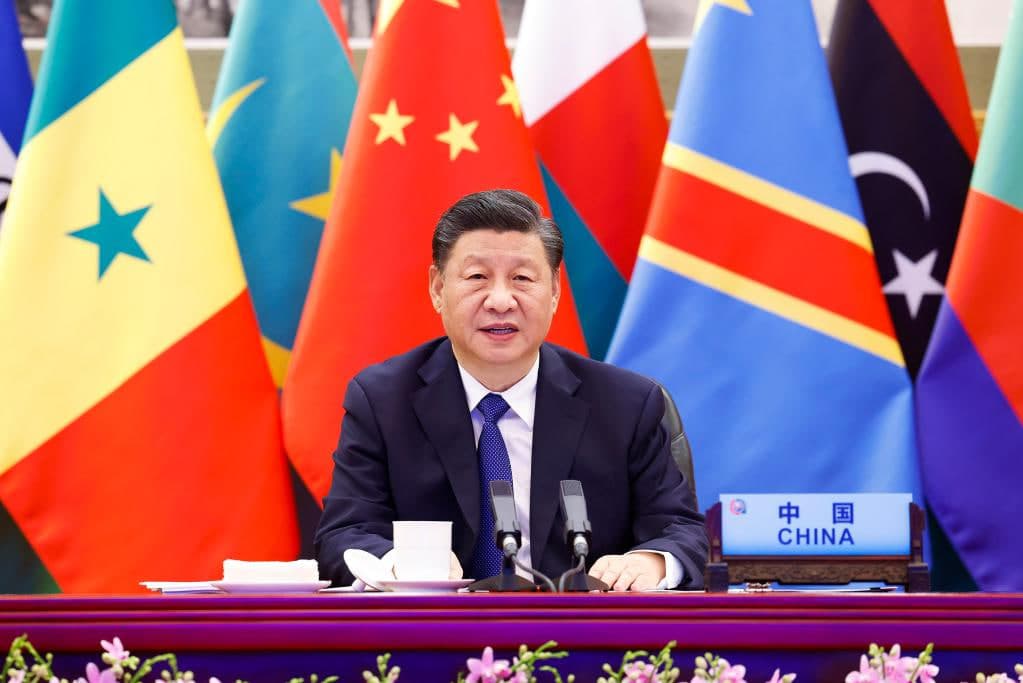
In a strategic checkmate against Western protectionism, Chinese President Xi Jinping has pledged to open the floodgates for African exports, offering zero-tariff treatment to nearly every nation on the continent starting May 1, 2026.
While Washington lectures Africa on democracy and Europe hesitates on trade deals, Beijing is talking business. In a message delivered to the African Union Summit, President Xi Jinping dropped a trade bombshell: China will unilaterally grant zero-tariff status to 100% of tariff lines for 53 African countries. The only outlier? The Kingdom of Eswatini, which continues to maintain diplomatic ties with Taiwan.
This is not just a trade policy; it is a geopolitical anchor. By effective date May 1, 2026, China effectively integrates the African economy into its own supply chain, cementing its status as the continent’s "all-weather friend."
The scope of this pledge is massive. Previously, such treatment was reserved for the "Least Developed Countries" (LDCs). Now, it expands to include Africa’s economic heavyweights like Nigeria, South Africa, Egypt, and Kenya.
The timing is deliberate. The announcement comes as the U.S. African Growth and Opportunity Act (AGOA) faces an uncertain future and new EU carbon taxes threaten African exports. Xi is positioning China as the champion of the "Global South," offering open doors while others build walls.
Analysts see this as a direct response to the G7’s infrastructure promises, which have been slow to materialize. "Xi is cutting through the red tape," says trade economist Dr. Samuel Mburu. "He is saying, 'You want to develop? Sell to us. No taxes, no lectures.' It is a seductive offer."
The exclusion of Eswatini serves as a sharp reminder of the political strings attached. It is a "one-China" policy weaponized through trade. Eswatini now faces a stark choice: maintain its loyalty to Taipei and face economic isolation, or switch allegiance and access the 1.4 billion-person market.
For the other 53 nations, the challenge now is capacity. Zero tariffs mean nothing if you have nothing to sell. African governments must now pivot from exporting raw materials to value-added goods to truly capitalize on Xi’s gambit.
"This provides new opportunities for African development," Xi wrote. For African leaders in Addis Ababa, it provides something even more valuable: leverage.
Keep the conversation in one place—threads here stay linked to the story and in the forums.
Other hot threads
E-sports and Gaming Community in Kenya
Active 9 months ago
The Role of Technology in Modern Agriculture (AgriTech)
Active 9 months ago
Popular Recreational Activities Across Counties
Active 9 months ago
Investing in Youth Sports Development Programs
Active 9 months ago