We're loading the complete profile of this person of interest including their biography, achievements, and contributions.

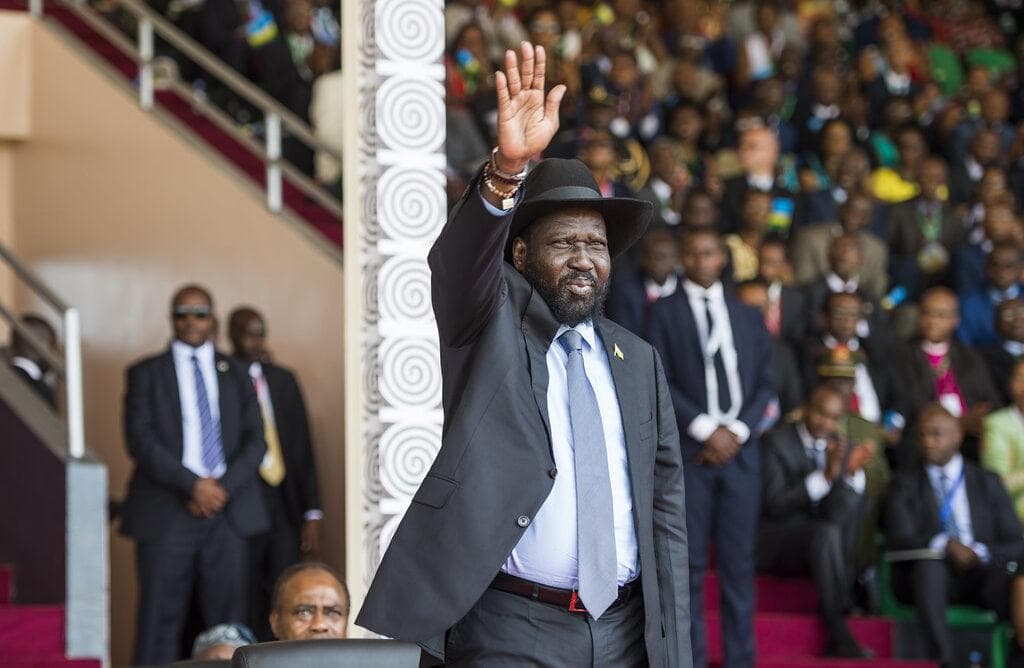
President of South Sudan
Public Views
Experience
Documented career positions
Salva Kiir Mayardit (born 1951) is the first and only President of South Sudan, serving since the country gained independence in July 2011. A veteran liberation fighter, Kiir is a founding member of the Sudan People’s Liberation Movement/Army (SPLM/A) and rose through its military ranks during decades of war with Sudan. He assumed national leadership in 2005 after the death of SPLM/A leader Dr. John Garang, becoming President of the autonomous Government of Southern Sudan before leading the new nation at independence. Kiir’s presidency has been overwhelmingly shaped by conflict and fragile state-building. In December 2013, political rivalry within the SPLM—most notably with his former deputy Riek Machar—degenerated into a devastating civil war along ethnic and political lines. The conflict, which officially ended in 2018 with a revitalized peace agreement, killed hundreds of thousands and displaced millions. Since then, Kiir has presided over a tenuous peace process, marked by power-sharing arrangements, delayed reforms, and persistent insecurity. Internationally, he is also known for his signature black cowboy hat, a gift from former U.S. President George W. Bush, which has become an enduring symbol of his rule.
Led South Sudan to independence (2011): Became the first president of the world’s newest nation after a successful referendum.
Maintained SPLM dominance: Preserved the SPLM as the central political force throughout independence and civil war.
Signed the 2018 Revitalized Peace Agreement: Ended large-scale fighting and reinstated a unity government with former rivals.
2013–2018 civil war: His leadership during the conflict is blamed for massive civilian casualties, ethnic violence, and state collapse.
Power-sharing deadlock: Persistent delays in implementing peace-agreement provisions, including elections and security-sector reform.
Authoritarian governance: Critics cite suppression of dissent, media restrictions, and concentration of power around the presidency.
News articles featuring Salva Kiir Mayardit
Sustained state continuity: Kept the South Sudanese state intact despite war, economic collapse, and humanitarian crises.
Economic mismanagement: Oil dependence, corruption allegations, and currency collapse have worsened humanitarian conditions.