We're loading the complete profile of this person of interest including their biography, achievements, and contributions.
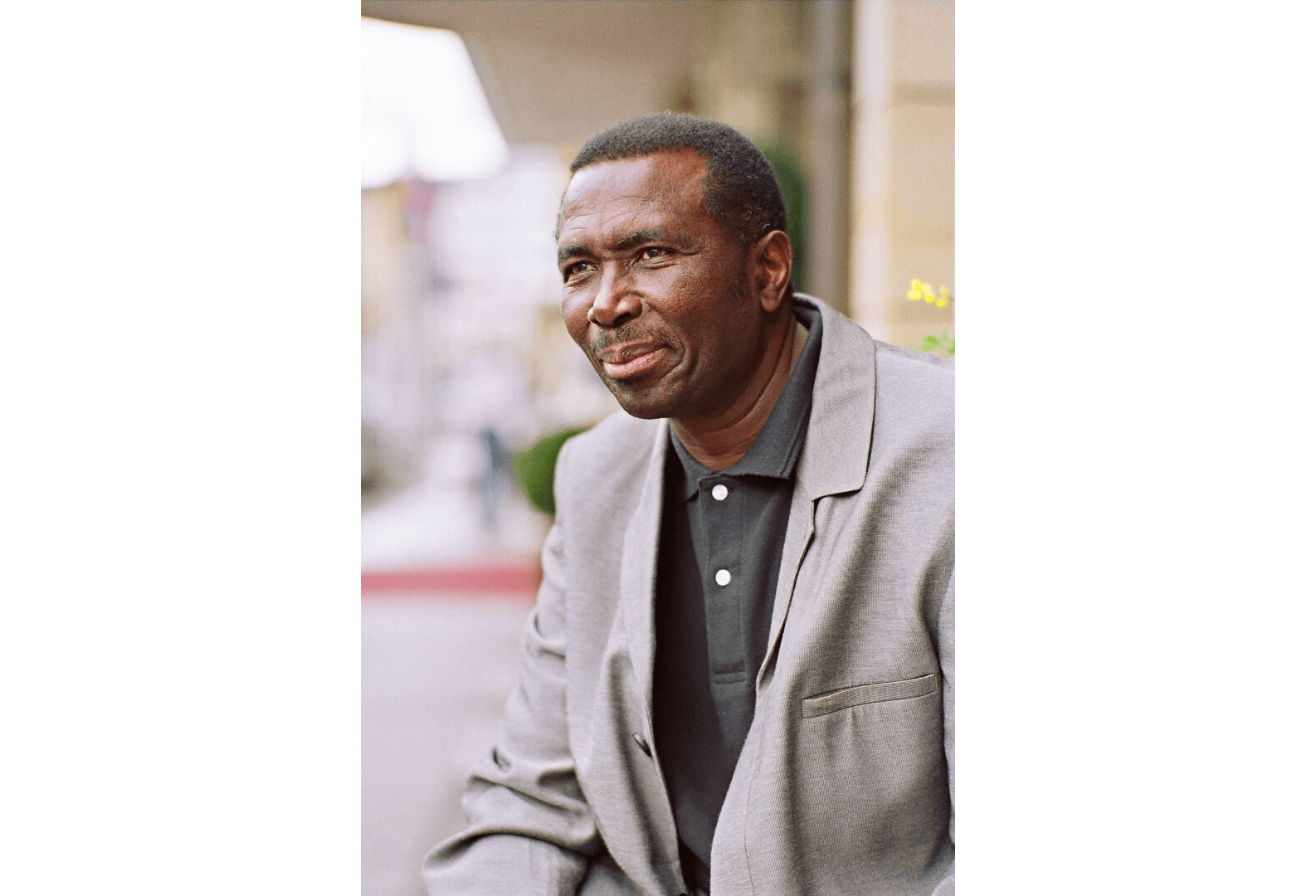
Award-Winning Novelist
Public Views
Experience
Documented career positions
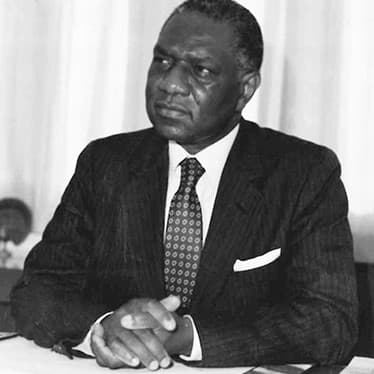
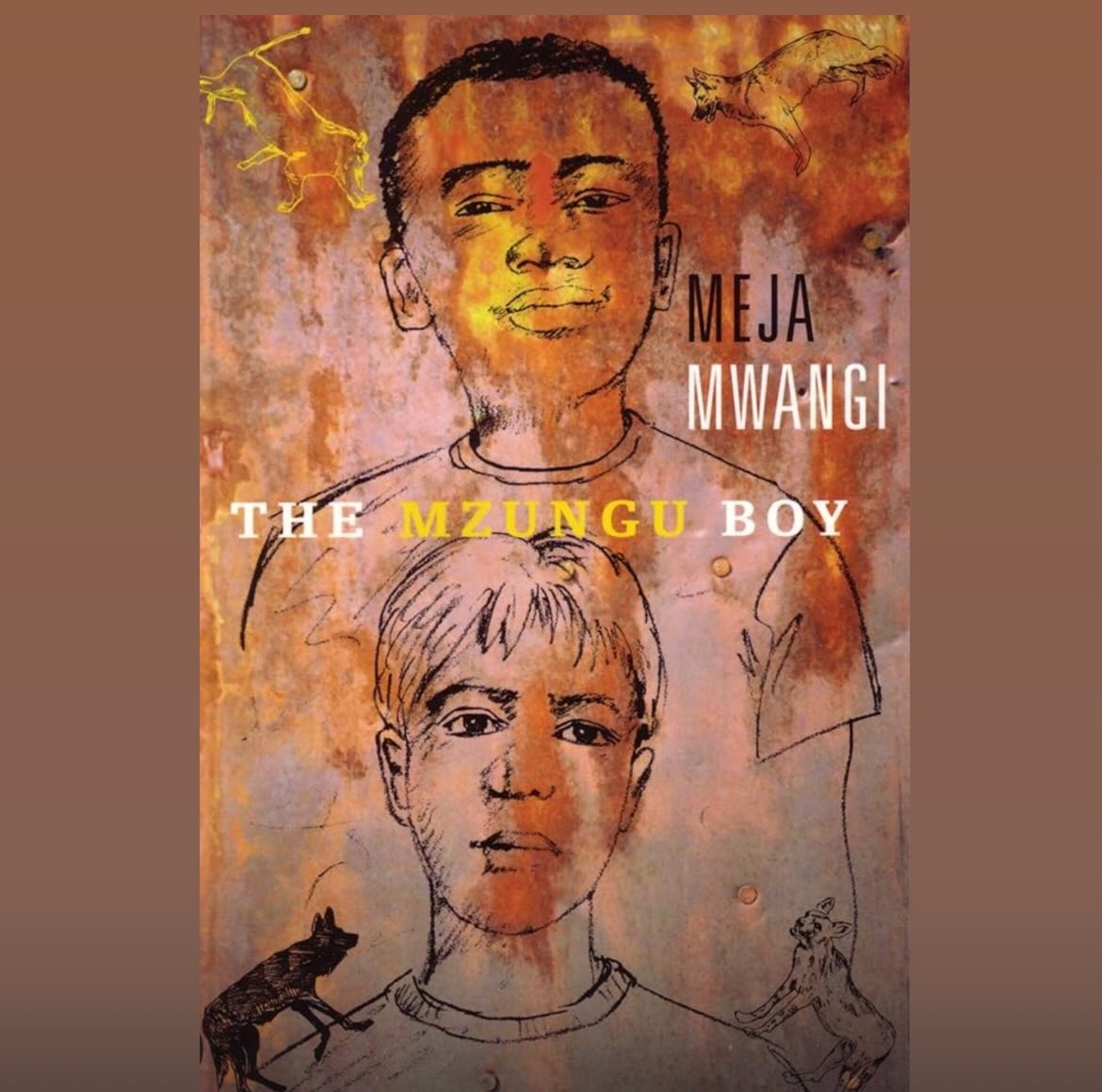
David Dominic Mwangi (December 27, 1948 – December 11, 2025), better known by his pen name Meja Mwangi, was a distinguished Kenyan novelist and filmmaker. Widely regarded as one of Kenya's most prolific and influential writers, Mwangi contributed significantly to African literature by portraying the social complexities of post-independence Kenya. His work is noted for its exploration of urban poverty, the legacy of the Mau Mau rebellion, and the harsh realities faced by marginalized populations in modern society. Born in Nanyuki, in the Colony and Protectorate of Kenya, Mwangi grew up in an area heavily impacted by the Mau Mau uprising. His early life in Nanyuki, where he was exposed to colonial-era military environments, heavily influenced his later literary themes. He was educated at Nanyuki Secondary School and subsequently attended Kenyatta College. He also had a brief tenure at the University of Leeds. Before establishing himself as a full-time author, Mwangi worked in various professional roles, including positions at the French Broadcasting Corporation and as a visual aids officer for the British Council in Nairobi. Mwangi’s literary career began in the early 1970s. He burst onto the literary scene with his 1973 debut novel, *Kill Me Quick*, which earned critical acclaim and the Jomo Kenyatta Prize for Literature. The novel offered a stark, realistic depiction of young men struggling with unemployment in the city—a recurring theme in his writing. He followed this with *Carcase for Hounds* (1974) and *Going Down River Road* (1976), the latter becoming one of his most celebrated works for its raw, unflinching look at the lives of construction workers in Nairobi. These early successes helped dismantle contemporary claims by some critics that East Africa was a "literary desert," positioning Mwangi as a vital voice in the region's burgeoning literary output. Throughout his career, Mwangi’s bibliography expanded to include numerous novels, children's books, and screenplays. His writing style was characterized by a blend of grim realism, fast-paced action, and an underlying sense of humor, even when addressing difficult subjects. Notable later works include *The Cockroach Dance* (1979), *Striving for the Wind* (1990), and *The Last Plague* (2000), the latter of which won the Jomo Kenyatta Prize for Literature for the third time, highlighting the impacts of the HIV/AIDS epidemic in rural communities. His children's literature, such as *The Mzungu Boy* (2005)—also published as *Little White Man*—gained international recognition, winning the Deutscher Jugendliteraturpreis and an American Library Association Notable Children’s Book award. Beyond literature, Mwangi was an active figure in the film industry. During the 1980s, he participated in several international film projects, serving as an assistant director on productions such as *Out of Africa* (1985) and *White Mischief* (1987), and contributing to screenplays. His versatility extended to his ability to weave political commentary with compelling narratives that remained accessible to a wide audience. Meja Mwangi died on December 11, 2025, in Malindi, Kenya, at the age of 76. His legacy remains cemented in the canon of East African literature, with his works continuously studied for their historical value, insight into urban socio-economic conditions, and their role in giving voice to the voiceless in Kenyan society. His extensive body of work, translated into multiple languages, ensures his enduring presence in global literary discussions.
Author of acclaimed novels ('Kill Me Quick', 'Going Down River Road', 'Carcase for Hounds')
Winner of the Jomo Kenyatta Prize for Literature (twice)
Recipient of the Lotus Prize for Literature
Considered one of the foundational figures of modern Kenyan literature
Published his debut novel, 'Kill Me Quick', in 1973.
Awarded the Jomo Kenyatta Prize for Literature for 'Kill Me Quick' in 1974.
Served as a Fellow in Writing at the University of Iowa from 1975 to 1976.
Published the acclaimed novel 'Going Down River Road' in 1976.
Received the Lotus Prize for Literature from the Afro-Asian Writers' Association in 1978.
Worked as an assistant director for the film 'Out of Africa' in 1985.
Served as second assistant director for the film 'White Mischief' in 1987.
Worked as the casting director for the film 'The Kitchen Toto' in 1988.
Received an honorable mention for the Noma Award for 'Bread of Sorrow' in 1989.
Won the Deutscher Jugendliteraturpreis (German Youth Literature Prize) for 'Kariuki und sein weißer Freund' in 1992.
Received 'Le Prix Lire au College' for his work 'Kariuki' in 1992.
Published the novel 'The Last Plague' in 1997.
Won the Jomo Kenyatta Prize for Literature for 'The Last Plague' in 2001.
Nominated for the International Dublin Literary Award for 'The Last Plague' in 2002.
Received the American Library Association Notable Children's Books Award for 'The Mzungu Boy' in 2006.
Awarded third place in the English Youth category of the Jomo Kenyatta Prize for Literature for 'The Boy Gift' in 2007.
Awarded third place in the English Adult Fiction category of the Jomo Kenyatta Prize for Literature for 'Big Chief' in 2009.