We're loading the complete profile of this person of interest including their biography, achievements, and contributions.

Supreme Leader of North Korea
Public Views
Experience
Documented career positions
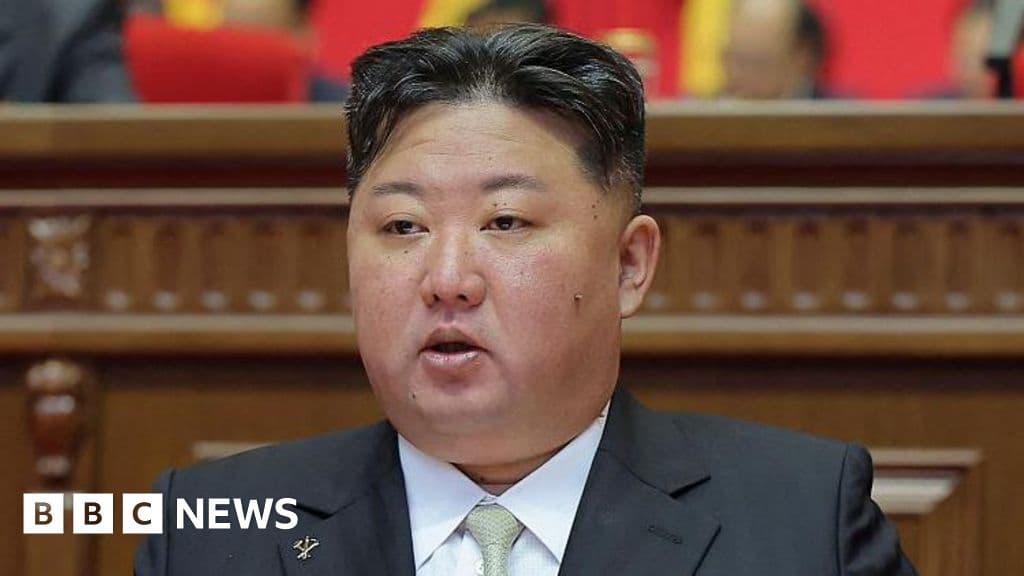
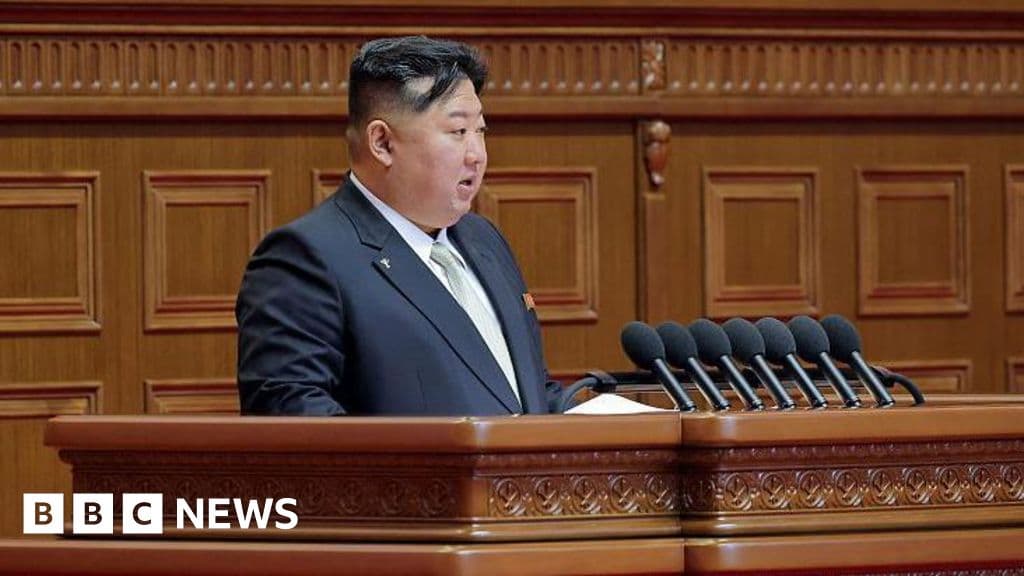
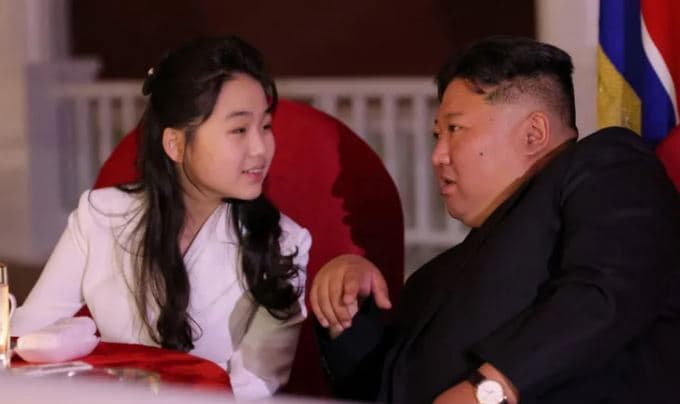
Kim Jong Un is a North Korean politician who has served as the supreme leader of North Korea since the death of his father, Kim Jong Il, in December 2011. As the third generation of the Kim dynasty, he holds the highest offices in the country, including General Secretary of the Workers' Party of Korea (WPK) and President of the State Affairs Commission. Under his leadership, North Korea has continued to pursue the development of nuclear weapons and ballistic missile technology while maintaining a highly centralized, totalitarian political system. Born into the ruling family, Kim Jong Un’s exact date of birth is a subject of scholarly and intelligence debate; although North Korean sources have historically cited 1982, international observers and Western intelligence agencies, including those in the United States, typically identify his birth year as 1984. He is the second of three children born to Kim Jong Il and his consort, Ko Yong-hui. Kim spent a portion of his youth in Switzerland, where he reportedly attended the International School of Berne under the pseudonym "Pak-un" during the late 1990s. Upon returning to North Korea, he attended the Kim Il Sung Military University from 2002 to 2007, a period during which he began to be integrated into the state's military and political structures. Kim Jong Un’s trajectory toward supreme leadership accelerated in the late 2000s. In 2010, he was publicly introduced as the successor, receiving the rank of four-star general and appointments to key positions in the WPK and the Central Military Commission. Following his father’s death in December 2011, Kim rapidly consolidated power, often through the removal or execution of high-ranking officials and potential rivals—most notably his uncle, Jang Song-thaek, in 2013—to ensure firm control over the party, military, and state security apparatus. A defining characteristic of Kim’s governance has been the *byungjin* line, a policy emphasizing the simultaneous development of the national economy and the strengthening of nuclear and missile capabilities. Throughout his tenure, North Korea has significantly expanded its nuclear arsenal and successfully tested various intercontinental ballistic missiles (ICBMs), leading to a hardened geopolitical stance and intensified international sanctions. While he engaged in high-profile summit diplomacy in 2018 and 2019—including historic meetings with South Korean President Moon Jae-in and United States President Donald Trump—these efforts ultimately failed to result in a denuclearization agreement or the lifting of sanctions. In recent years, Kim has pivoted toward a more confrontational stance, abandoning the goal of peaceful reunification and explicitly declaring the United States and South Korea as major adversaries. In his personal life, Kim is married to Ri Sol-ju, a former performer whose public profile as First Lady marked a departure from the secrecy surrounding his father's spouses. The couple reportedly married in 2009. Intelligence agencies and media reports suggest they have three children, though the details remain heavily guarded. Since 2022, his daughter, Kim Ju-Ae, has made frequent appearances alongside him at state events, including military parades and missile launches, fueling international speculation regarding the potential future of the Kim family dynasty. Kim Jong Un’s legacy is defined by his commitment to maintaining the survival of the North Korean regime through military strength, economic autarky, and the solidification of his own cult of personality. By prioritizing the expansion of nuclear forces as a non-negotiable state interest, he has secured his position as a central, albeit isolated, figure in the security landscape of East Asia.
AI-powered civic intelligence rating
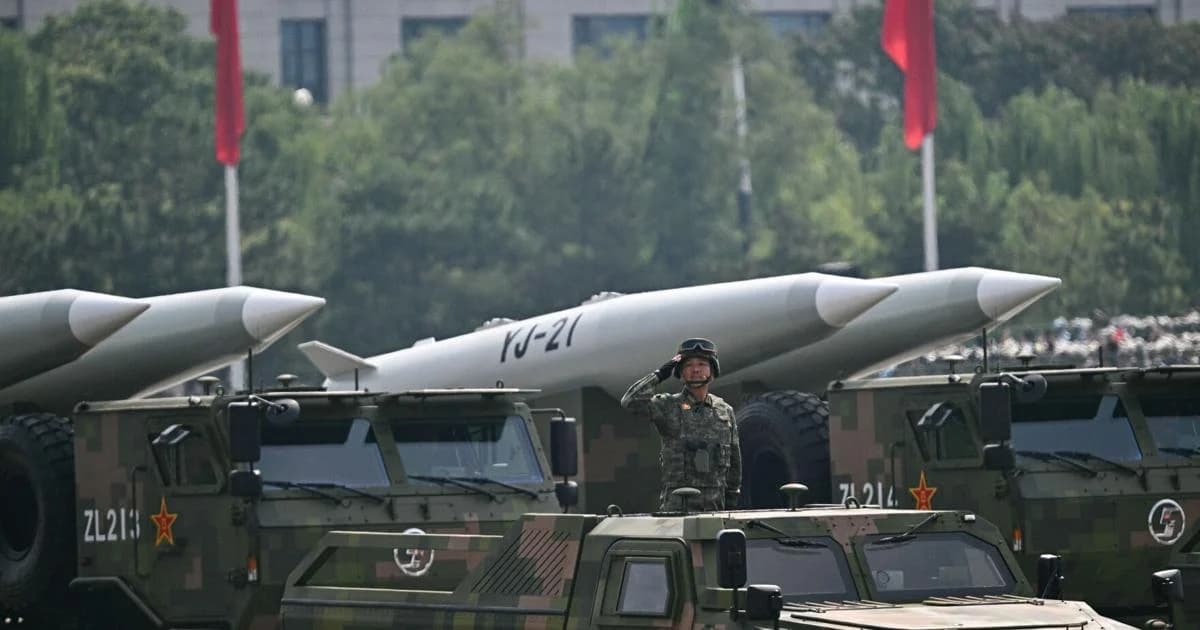
Developed and successfully tested intercontinental ballistic missiles (Hwasong-17 and Hwasong-18) capable of reaching the entire United States mainland
Forged a historic, mutually beneficial strategic partnership with the Russian Federation in 2023/2024, exchanging massive stockpiles of North Korean munitions for advanced Russian military technology and diplomatic protection
Presides over one of the most oppressive, totalitarian regimes in human history; the UN has extensively documented state-sanctioned crimes against humanity, including mass starvation, forced labor camps (kwanliso), and public executions
Ordered the brutal assassinations of perceived domestic rivals, most notably having his half-brother (Kim Jong-nam) assassinated with VX nerve agent in a Malaysian airport, and executing his powerful uncle (Jang Song-thaek)
Routinely starves the civilian population to redirect the state's meager GDP entirely toward the development of nuclear weapons and the personal luxury of the Pyongyang elite
News articles featuring Kim Jong Un
Successfully launched North Korea's first indigenous military spy satellite into orbit
Maintained absolute, uninterrupted dynastic control over the DPRK, surviving intense Western sanctions and the COVID-19 pandemic
Appointed to the National Defence Commission in April 2009.
Promoted to the rank of four-star general in September 2010.
Named Vice Chairman of the Central Military Commission and elected to the Party Central Committee in September 2010.
Declared Supreme Commander of the Korean People's Army on December 24, 2011.
Became the Supreme Leader of North Korea following the death of his father in December 2011.
Appointed First Secretary of the Workers' Party of Korea in April 2012.
Appointed First Chairman of the National Defence Commission in April 2012.
Promoted to the rank of Marshal (wonsu) in July 2012.
Received the Sukarno Peace Prize from the Sukarno Education Foundation in 2015.
Elected Chairman of the Workers' Party of Korea in May 2016.
Elected Chairman of the State Affairs Commission in June 2016.
Signed the Panmunjom Declaration for Peace, Prosperity and Unification of the Korean Peninsula with South Korean President Moon Jae-in in April 2018.
Held the inaugural Singapore Summit with United States President Donald Trump in June 2018.
Awarded the Jubilee Medal '75 Years of Victory in the Great Patriotic War 1941–1945' by Russian President Vladimir Putin in May 2020.
Elected General Secretary of the Workers' Party of Korea in January 2021.
In 2014, a United Nations Commission of Inquiry report documented systematic and widespread human rights violations in North Korea, concluding that the state has committed crimes against humanity, including torture, enslavement, and public executions. Subsequent reports, including those in 2025, have affirmed that these practices, such as forced labor and repressive control, have continued.
In February 2017, Kim Jong-nam, the older half-brother of Kim Jong Un, was assassinated at Kuala Lumpur International Airport using the VX nerve agent. International observers and intelligence agencies have widely attributed the orchestration of this attack to the North Korean regime.
Since taking power, Kim Jong Un has been associated with numerous high-profile purges and executions of senior government and military officials to consolidate his authority. Notable cases include the 2013 execution of his uncle, Jang Song-thaek, and the dismissal or execution of various other officials for alleged corruption, disloyalty, or administrative failures.
The North Korean government, under Kim Jong Un, has faced extensive international sanctions and condemnation from the UN Security Council for its nuclear weapons program and ballistic missile testing. These resolutions, passed repeatedly between 2006 and 2017, mandate economic restrictions aimed at halting the development of weapons of mass destruction.
The U.S. Department of Justice has indicted multiple North Korean intelligence operatives for a long-running campaign of global cyberattacks, including the 2014 hack of Sony Pictures and attempts to steal over $1.3 billion from financial institutions. These actions are alleged to be part of a state-sponsored effort to fund the regime's illicit activities and circumvent international sanctions.