We're loading the complete profile of this person of interest including their biography, achievements, and contributions.
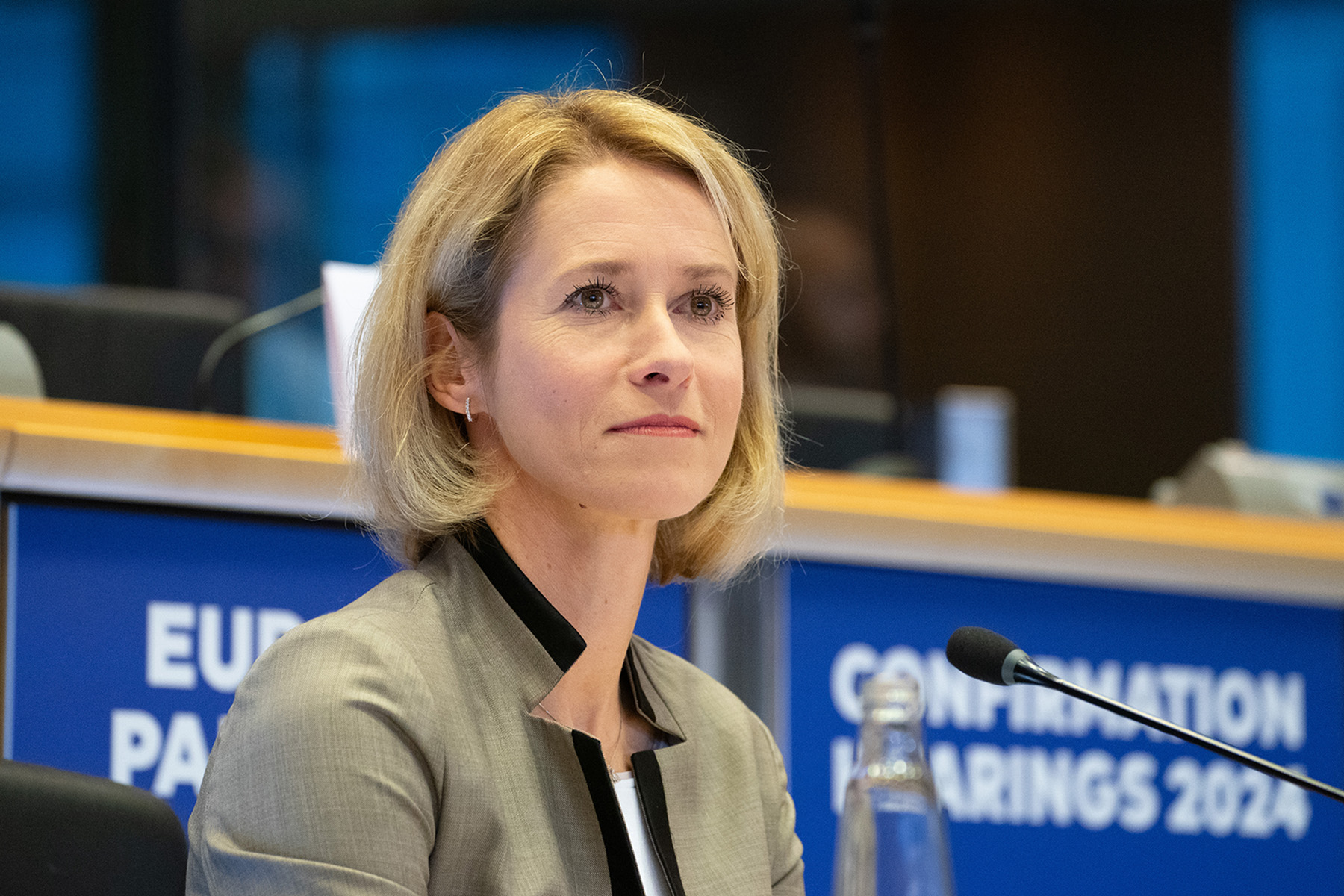
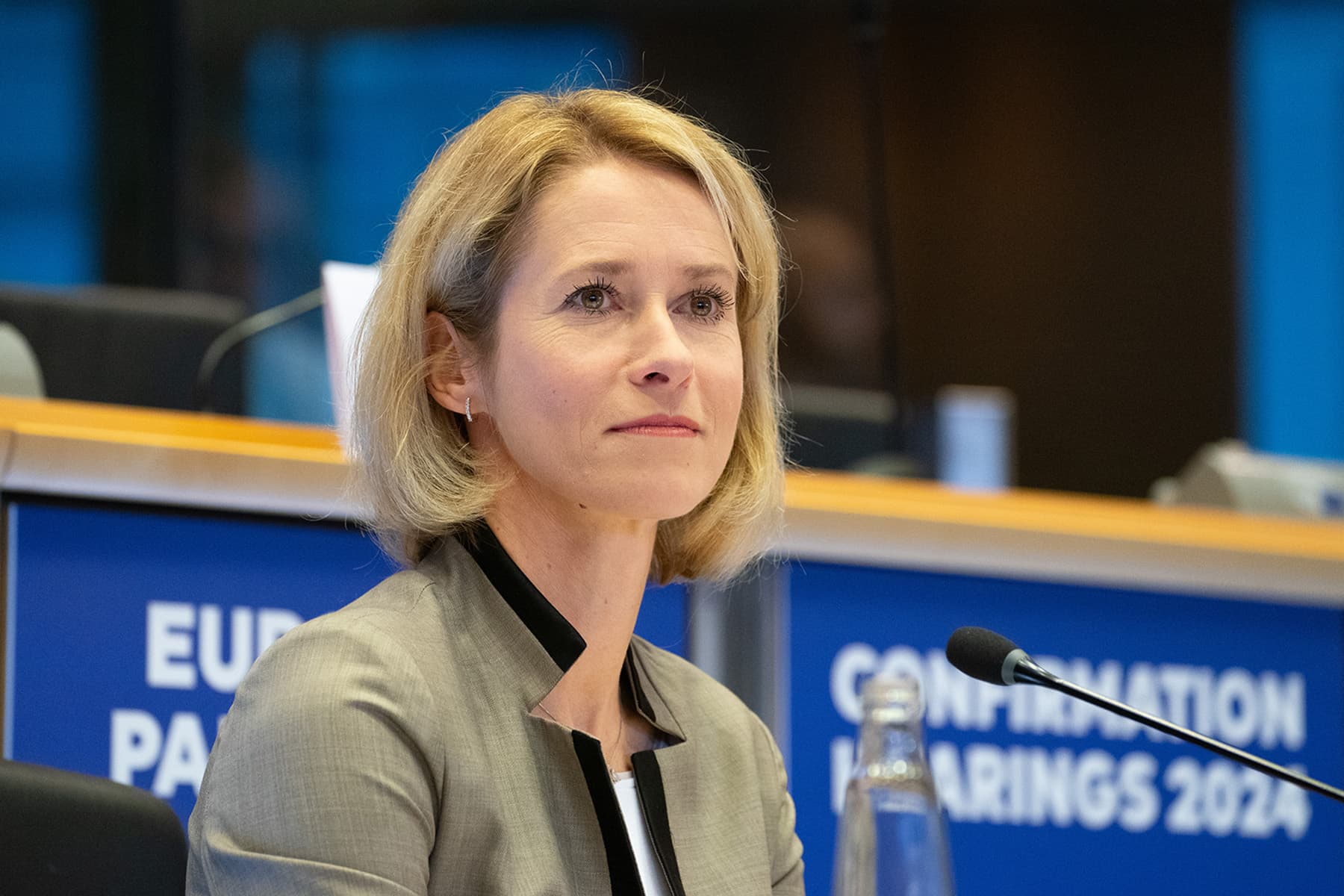
High Representative of the Union for Foreign Affairs
Public Views
Experience
Documented career positions
Kaja Kallas (born 18 June 1977) is an Estonian politician and diplomat who has served as the High Representative of the Union for Foreign Affairs and Security Policy and Vice-President of the European Commission since December 1, 2024. Prior to her appointment to the European Commission, she made history as the first female Prime Minister of Estonia, a role she held from 2021 to 2024. Throughout her career, she has been recognized as a prominent liberal voice within European politics, noted for her focus on digital innovation, competition law, and a steadfast stance on security, particularly regarding the Russian invasion of Ukraine. Born in Tallinn, Estonian Soviet Socialist Republic, Kallas is the daughter of Siim Kallas, a former Estonian Prime Minister and European Commissioner. Her family history is deeply connected to Estonia's 20th-century struggles; her mother, grandmother, and great-grandmother were deported to Siberia during the Soviet mass deportations of 1949, an experience that has profoundly influenced Kallas’s political worldview and her vocal advocacy for sovereignty and resistance to authoritarianism. Kallas pursued a career in law before entering politics. She graduated from the University of Tartu in 1999 with a degree in law and later obtained an Executive Master of Business Administration from the Estonian Business School in 2010. She became a member of the Estonian Bar Association in 1999 and practiced as an attorney-at-law, specializing in European competition and energy law, representing various corporate entities before transitioning to full-time political life. In 2010, Kallas joined the Estonian Reform Party. She was first elected to the Riigikogu (Estonian Parliament) in 2011, where she chaired the Economic Affairs Committee. Her international political career began in 2014, when she was elected to the European Parliament. During her tenure as a Member of the European Parliament (MEP) until 2018, she gained recognition for her work on the Digital Single Market strategy and consumer protection, frequently appearing on lists of influential policymakers in Brussels. Kallas returned to national politics in 2018, when she was elected leader of the Estonian Reform Party, becoming the first woman to lead the party. She successfully led the party to victory in the 2019 parliamentary elections, though she initially remained in opposition. In January 2021, following the collapse of the governing coalition led by the Centre Party, Kallas was invited to form a new government. As Prime Minister, she navigated the country through the challenges of the COVID-19 pandemic and a severe energy crisis. Her premiership was most significantly defined by her firm response to the 2022 Russian invasion of Ukraine, during which she became one of the leading international advocates for military aid to Kyiv and the reinforcement of NATO’s eastern flank. In June 2024, Kallas was nominated for the role of High Representative of the Union for Foreign Affairs and Security Policy. She formally resigned as Prime Minister in July 2024 and assumed her duties at the European Commission on December 1, 2024. In this capacity, she is tasked with coordinating the European Union's foreign and security policy, with a focus on strengthening European defense, deepening international partnerships, and maintaining a unified stance against global authoritarian threats. Kallas is married to Arvo Hallik and has three children.
Appointed as the EU High Representative for Foreign Affairs and Security Policy (2024–Present), becoming the most powerful diplomatic voice in Europe
First female Prime Minister of Estonia (2021–2024), leading the nation through the immediate outbreak of the Ukraine War
Successfully pushed for Estonia to donate over 1% of its entire GDP in direct military aid to Ukraine, making it the highest per-capita donor in the world
Issued a criminal arrest warrant by the Russian Federation in 2024 for 'desecrating historical memory' after she ordered the removal of Soviet-era war monuments in Estonia, making her a direct target of the Kremlin
Faced a massive, highly damaging domestic scandal in 2023 (which severely damaged her approval ratings) when it was revealed that her husband owned a stake in a logistics company that continued to operate and do business in Russia long after the Ukraine invasion began
Viewed by some Southern European leaders as being too singularly focused on Russia, potentially blinding the EU to security and migration crises emerging from North Africa and the Middle East
News articles featuring Kaja Kallas
Awarded the Walther Rathenau Prize for her outstanding foreign policy leadership
Graduated with a degree in law from the University of Tartu in 1999.
Became a member of the Estonian Bar Association in 1999 and an attorney-at-law in 2002.
Elected to the Riigikogu (Estonian Parliament) for the first time in 2011.
Elected as a Member of the European Parliament in 2014, serving until 2018.
Elected Chair of the Estonian Reform Party in 2018, becoming the first female leader of a major political party in Estonia.
Became the first female Prime Minister of Estonia on 26 January 2021.
Received the Woman in Power Award at the Women of Europe Awards in 2023 for her commitment to democracy and human rights.
Awarded the Walther Rathenau Prize in 2024 for her leadership in foreign policy and support for Ukraine.
Appointed High Representative of the Union for Foreign Affairs and Security Policy and Vice-President of the European Commission on 1 December 2024.
In August 2023, Kallas faced significant political and public pressure following revelations that her husband, Arvo Hallik, held a stake in a logistics company, Stark Logistics, which continued to provide transport services in Russia after the full-scale invasion of Ukraine. While Kallas denied any wrongdoing and stated she was unaware of the specific business dealings, she faced calls for her resignation from opposition parties and some public criticism regarding the perceived conflict with her government's firm anti-Russia stance. Her husband subsequently sold his stake in the company, and Kallas remained in office.
In 2022, Kallas faced domestic political instability and criticism following her decision to dismiss ministers from the Centre Party, citing irreconcilable differences in government policy, including a preschool education bill. This move led to the collapse of her coalition government and the subsequent formation of a new coalition with the Social Democratic Party and Isamaa.
Since assuming the role of High Representative of the Union for Foreign Affairs in 2024, Kallas has faced criticism from some EU diplomats and observers regarding her diplomatic style and approach to consensus-building. Critics have alleged that her policy proposals—particularly regarding military aid to Ukraine and her assertive rhetoric toward Russia—sometimes lacked broader coordination with key EU member states, leading to internal policy tensions.