We're loading the complete profile of this person of interest including their biography, achievements, and contributions.
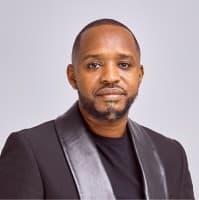
Photojournalist & Activist
Public Views
Experience
Documented career positions
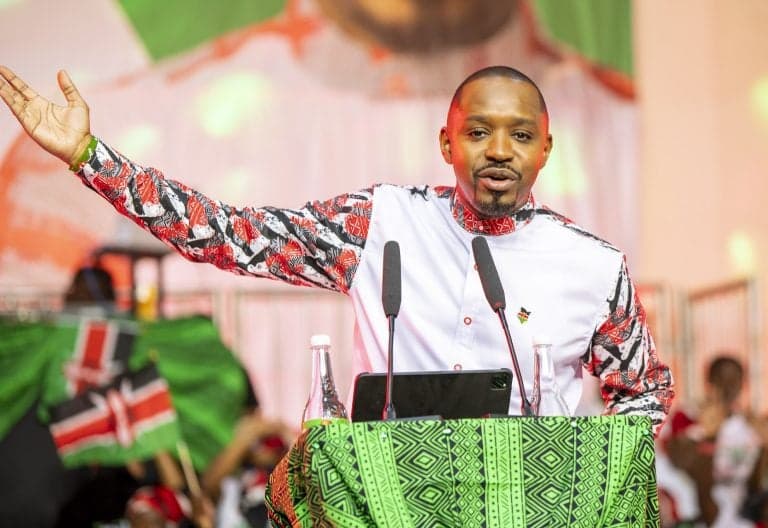
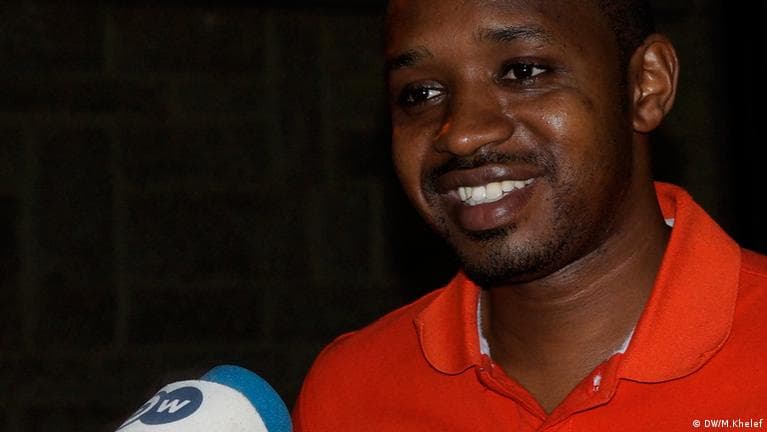
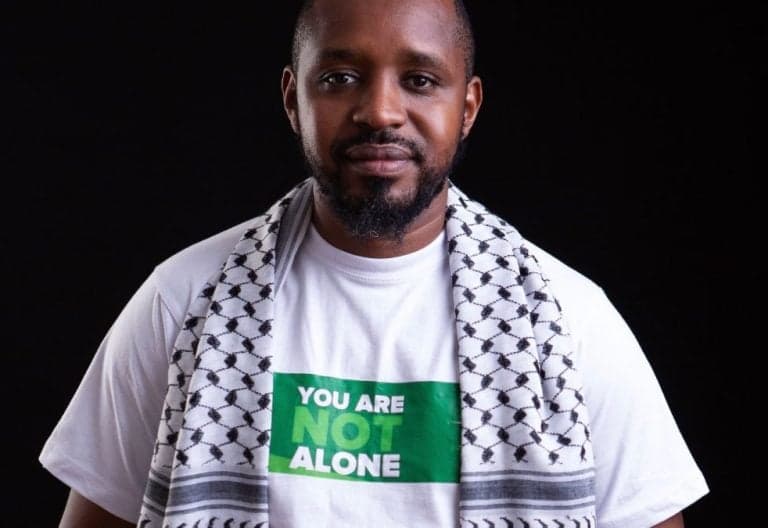
Boniface Mwangi is a Kenyan photojournalist and activist who first came to prominence for his searing images of the 2007–08 post-election violence. He has since become one of the country’s most vocal campaigners for social justice, democracy, and accountability, organizing nationwide protests against corruption and impunity. Beyond activism, Mwangi ventured into politics, contesting a parliamentary seat in Nairobi, though he was not elected.
Internationally recognized for his activism and journalism; TIME named him among the 100 most influential people in the world (2016).
Founded a social enterprise supporting artists.
Won CNN Africa Photojournalist of the Year twice (2008, 2010).
In May 2019 he was arrested for allegedly organizing a 'revolution', a case dropped by courts.
In October 2016, Mwangi publicly implicated then–Deputy President William Ruto in the murder of critic Jacob Juma. Ruto responded by suing him for defamation. Later, Mwangi faced accusations of witness coaching and fabricating allegations—claims he couldn’t substantiate in court.
While observing a treason trial in Dar es Salaam, Mwangi was arrested and deported. He and Ugandan activist Agather Atuhaire reported being tortured and sexually assaulted by Tanzanian security forces. Rights groups and KNCHR intervened.
News articles featuring Boniface Mwangi
Prince Claus Award (2012), recognizing his innovative use of art and media in promoting social justice
Founded Picha Mtaani (2009), a mobile street exhibition of violence photographs seen by over 600,000 people to foster reconciliation
Organized disruptive, symbolic protests—such as hurling pig blood or donkeys into public spaces—to spotlight corruption and political complacency
Named in TIME’s Next Generation Leaders (2015)
On July 19, 2025, the DCI arrested Mwangi at his home and office, citing terrorism-related charges tied to protests. Authorities initially accused him of “facilitating terrorist acts,” later dropping that charge under pressure and replacing it with unlawful possession of ammunition (three tear-gas canisters and a 7.62 mm blank round).
Pro-government figures circulated claims that Mwangi was a foreign-funded impostor—a narrative he firmly rejected.