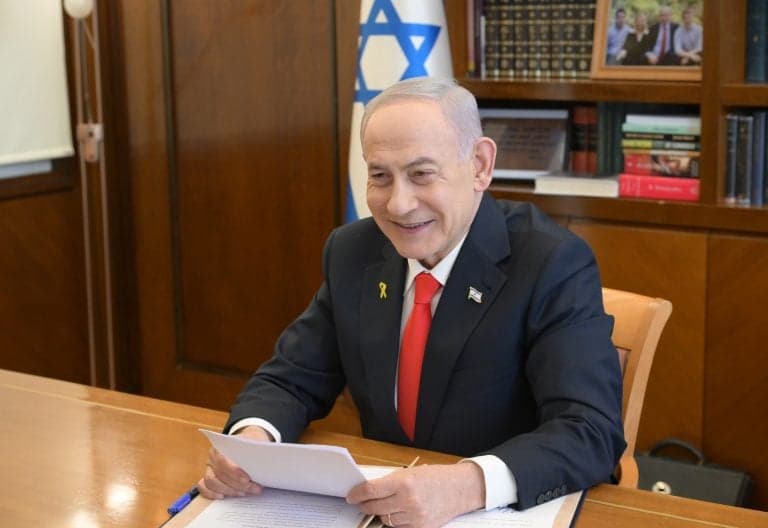
We're loading the complete profile of this person of interest including their biography, achievements, and contributions.
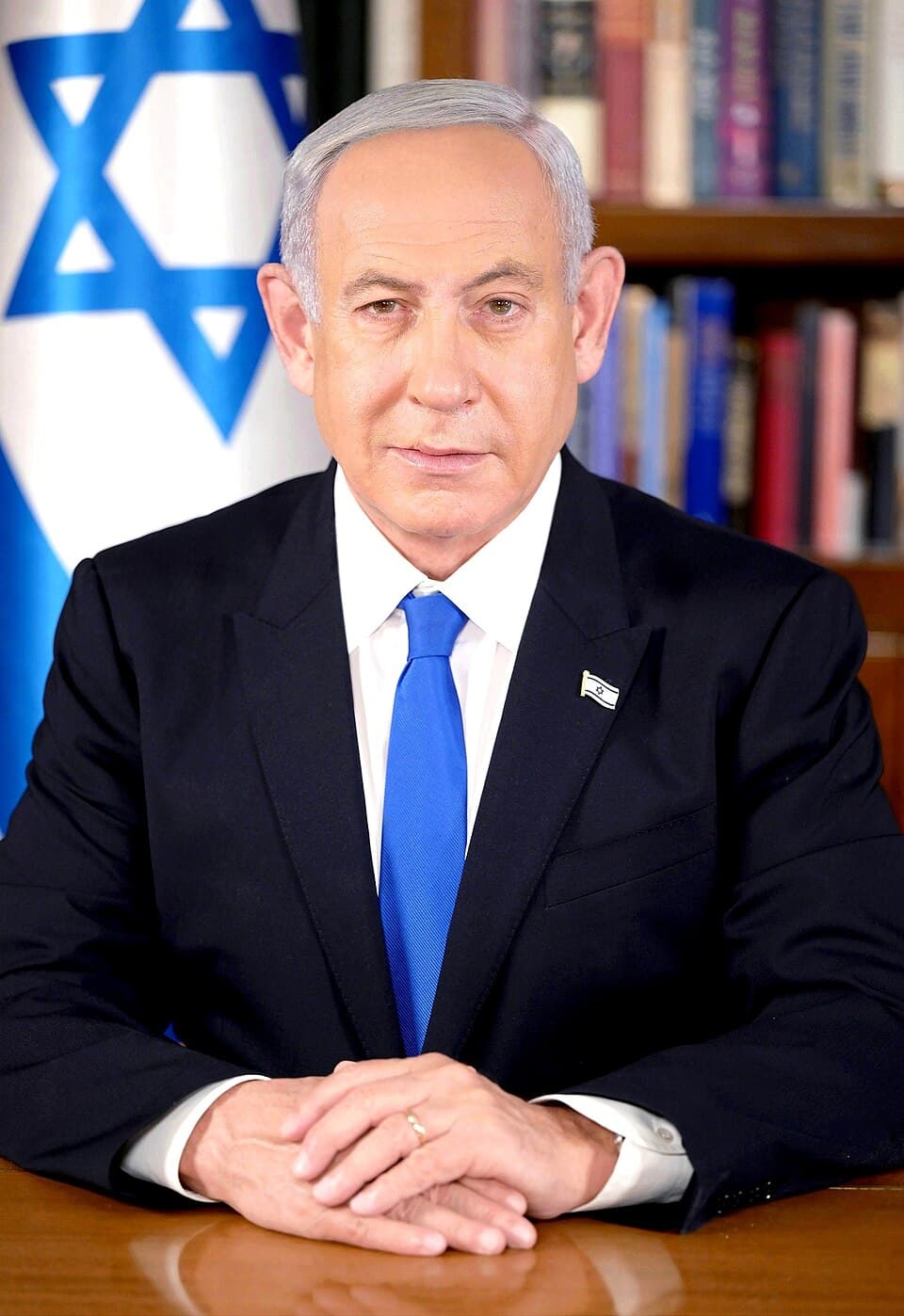
Prime Minister of Israel
Public Views
Experience
Documented career positions
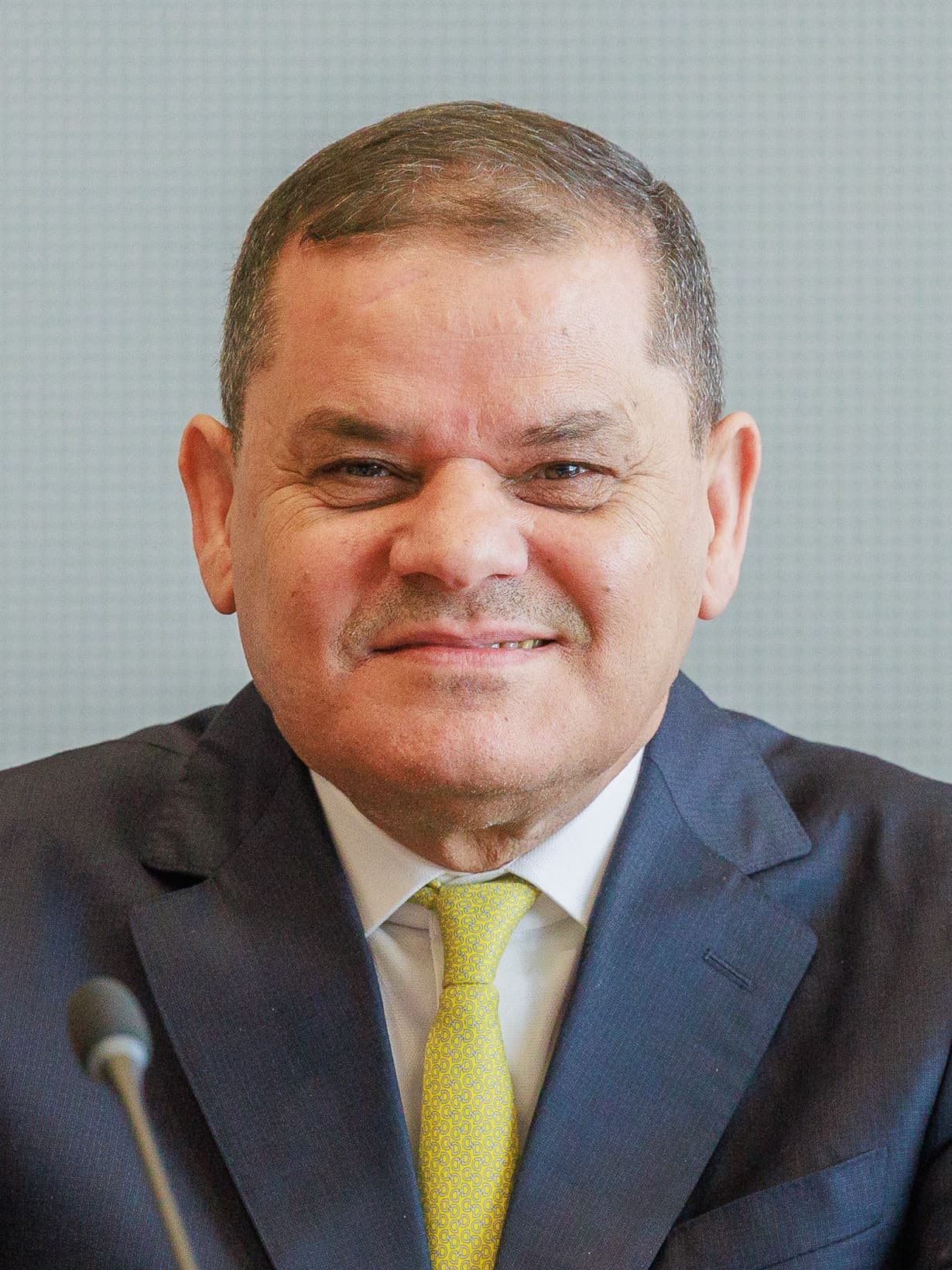
Benjamin Netanyahu is a prominent Israeli politician who has served as the Prime Minister of Israel for multiple terms, establishing himself as the longest-serving head of government in the country's history. Born on October 21, 1949, in Tel Aviv, Israel, he is widely recognized for his lengthy career in public service, military leadership, and diplomacy. Netanyahu’s early life was marked by frequent movement between Israel and the United States. His father, Benzion Netanyahu, was a respected historian, and the family’s academic background influenced his early years. During his teenage years, the family moved to the Philadelphia area in the United States. Following his return to Israel, he enlisted in the Israel Defense Forces (IDF) in 1967, where he served in the elite Sayeret Matkal special forces unit. His military service was significant, including participation in sensitive operations, such as the 1972 rescue of a hijacked jet at Tel Aviv's airport. Following his military service, he pursued higher education in the United States, earning a Bachelor of Science in Architecture and a Master of Science in Management from the Massachusetts Institute of Technology (MIT). His political career began after a period in the private sector and diplomatic service. He served as the Deputy Chief of Mission at the Israeli Embassy in Washington, D.C., and later as Israel's Ambassador to the United Nations. In the late 1980s, he entered domestic politics, joining the Likud party and winning a seat in the Knesset. His rise within the party was rapid; he became leader of Likud in 1993, succeeding Yitzhak Shamir. Netanyahu’s tenure as Prime Minister has been defined by three distinct periods of leadership: 1996–1999, 2009–2021, and his return to power in December 2022. During his first term, he became the first Israeli Prime Minister to be directly elected by popular vote. His subsequent terms have been marked by a focus on national security, the strengthening of Israel's economy, and assertive foreign policy. He is often credited with fostering Israel's transition into a global leader in technology and cybersecurity, frequently advocating for free-market reforms and deregulation. Internationally, his legacy includes the signing of the Abraham Accords in 2020, which normalized diplomatic relations between Israel and several Arab nations, including the United Arab Emirates and Bahrain. Throughout his career, Netanyahu has maintained a hawkish stance on security, particularly regarding the Iranian nuclear program and regional conflicts. His leadership has frequently intersected with periods of significant regional tension and internal political debate. Since the October 7, 2023, attack on Israel and the subsequent regional conflicts, his administration has been deeply involved in large-scale military operations. As of March 2026, he continues to serve as Prime Minister, navigating complex diplomatic and security landscapes, including regional military operations such as Operation Roaring Lion, while facing domestic political scrutiny and electoral challenges. Netanyahu’s political influence remains substantial, characterized by his ability to forge coalitions and navigate a divided political spectrum. Despite various controversies and legal challenges that have punctuated his tenure, he has remained a central and polarizing figure in Israeli and Middle Eastern politics, maintaining that his primary objective is ensuring the security and longevity of the State of Israel.
Longest-serving Prime Minister in Israeli history (1996–1999, 2009–2021, 2022–Present)
Architect of the Abraham Accords (2020), securing historic diplomatic normalization with the UAE, Bahrain, Morocco, and Sudan
Orchestrated a massive, multi-front military campaign starting in 2023 to dismantle Hamas in Gaza and Hezbollah in Lebanon, severely degrading their operational capabilities
Faces ongoing criminal trials for bribery, fraud, and breach of trust in three separate corruption cases (Cases 1000, 2000, and 4000), which critics argue motivates his desire to weaken the Israeli judiciary
His attempt to overhaul the Israeli judicial system in 2023 sparked the largest domestic protests in the nation's history, fracturing the military and intelligence reserves months before the October 7 attacks
Currently facing massive international condemnation, including requested arrest warrants from the ICC (International Criminal Court), for alleged war crimes and the catastrophic civilian death toll resulting from the siege of Gaza
News articles featuring Benjamin Netanyahu
Served in the elite Sayeret Matkal special forces unit, participating in numerous high-stakes hostage rescue missions
Joined the Israel Defense Forces in 1967 and served in the elite Sayeret Matkal special forces unit.
Graduated from the Massachusetts Institute of Technology in 1976 with a B.Sc. in Architecture and an M.Sc. in Management.
Founded the Yonatan Netanyahu Anti-Terror Institute in 1976 to study international terrorism.
Appointed Deputy Chief of Mission at the Israeli Embassy in Washington, D.C., in 1982.
Served as Israel's Ambassador to the United Nations from 1984 to 1988.
Elected to the Knesset in 1988 as a member of the Likud party.
Served as Deputy Minister of Foreign Affairs from 1988 to 1991.
Appointed Deputy Minister in the Prime Minister's Office in 1991.
Elected chairman of the Likud party in 1993, becoming Leader of the Opposition.
Elected as the youngest Prime Minister in Israel's history in 1996, and the first to be directly elected.
Appointed Minister of Foreign Affairs in 2002.
Appointed Minister of Finance in 2003, where he enacted significant economic reforms that included privatizing state-owned companies and cutting taxes.
Re-elected as Prime Minister of Israel in 2009, beginning a period of consecutive terms in office.
Became Israel's longest-serving Prime Minister in 2019, surpassing the tenure of David Ben-Gurion.
Facilitated the signing of the Abraham Accords in 2020, normalizing diplomatic relations between Israel and several Arab nations.
Returned to office as Prime Minister of Israel in December 2022.
In November 2019, Benjamin Netanyahu was formally indicted on charges of bribery, fraud, and breach of trust across three separate corruption cases: Case 1000 (alleged receipt of illicit gifts), Case 2000 (alleged quid-pro-quo with a newspaper publisher), and Case 4000 (alleged regulatory favors for a telecommunications company). The trial began in May 2020 and remains ongoing as of early 2026.
In 2023, Netanyahu's government introduced a sweeping judicial overhaul package that prompted mass nationwide protests and international concern. Critics argued the reforms aimed to weaken judicial independence and erode democratic checks and balances; the Supreme Court struck down a key piece of this legislation in January 2024.
Following the October 7, 2023, Hamas attack on Israel, Netanyahu faced intense criticism for failing to accept personal responsibility for security failures. Multiple reports and public protests have challenged his leadership, with many calling for a state commission of inquiry into the events, which has been delayed or opposed by his administration.
Throughout his tenure, Netanyahu has faced persistent public criticism and allegations regarding the misuse of public funds, including past controversies involving expensive personal residence expenses and 'lavish' lifestyle habits, which he has consistently denied.
In November 2025, amidst ongoing military operations and his criminal trial, Netanyahu formally requested a pardon from President Isaac Herzog. This move drew significant political debate and renewed scrutiny regarding the intersection of his legal defense and his wartime leadership.