We're loading the full news article for you. This includes the article content, images, author information, and related articles.
A coordinated, massive military strike by the United States and Israel has targeted Iranian infrastructure, risking a catastrophic regional war with severe economic ripple effects across East Africa.
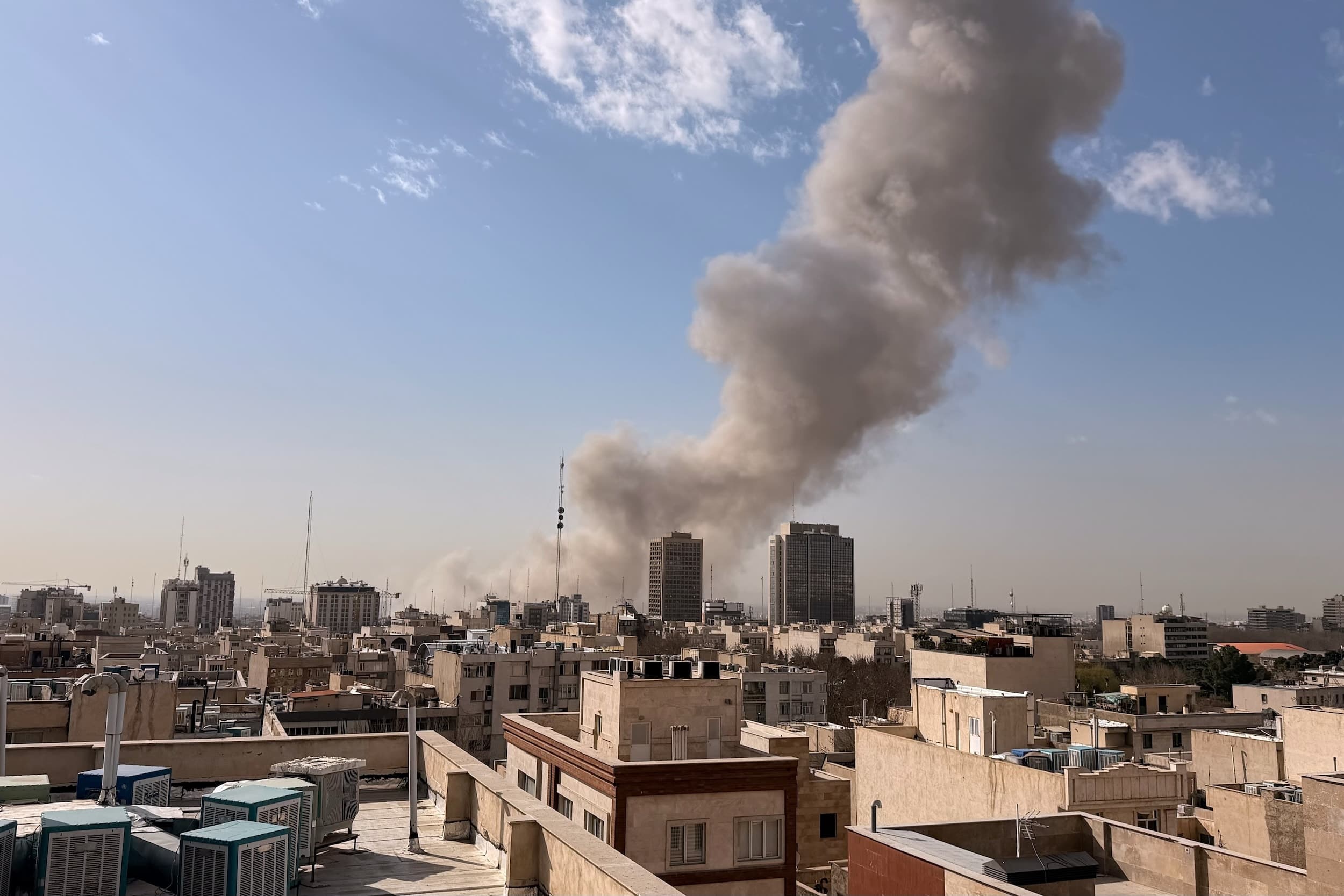
A coordinated, massive military strike by the United States and Israel has targeted Iranian infrastructure, risking a catastrophic regional war with severe economic ripple effects across East Africa.
The United States and Israel initiated major combat operations against Iran early Saturday, targeting key military and political installations in a dramatic escalation of hostilities.
This unprecedented direct assault threatens to ignite a full-scale regional conflict. For Kenya and the broader East African economy, the immediate fallout will be felt at the fuel pump, as global oil markets brace for severe supply chain disruptions.
United States President Donald Trump confirmed the commencement of "major combat operations," declaring the objective was to eliminate imminent threats from the Iranian regime. The coordinated strikes, involving both air and sea assets, immediately targeted locations in Tehran, including the compound of Supreme Leader Ayatollah Ali Khamenei. This surgical decapitation strategy marks a radical departure from the proxy skirmishes that have characterized US-Iran relations for decades.
Simultaneously, the Israeli military executed a series of preventative strikes aimed at dismantling Iran's nuclear and ballistic missile capabilities. Prime Minister Benjamin Netanyahu framed the joint operation as a necessary maneuver to remove an existential threat, directly appealing to the Iranian populace to overthrow their government. The scale of the bombardment triggered immediate retaliation, with Iran's Revolutionary Guard launching a barrage of missiles toward Israel, initiating a high-stakes aerial duel.
The geopolitical ramifications are staggering. Commercial airspaces across the Middle East, including Iraq, the United Arab Emirates, and Qatar, have been shuttered. The involvement of US Central Command bases scattered throughout the region means that this conflict is not localized; it is a structural fracturing of the Middle Eastern security architecture.
For nations thousands of miles from the conflict zone, the reverberations will be primarily economic. Kenya, a net importer of petroleum products, stands highly vulnerable to the inevitable volatility in the global energy markets.
The Kenyan Shilling, which has been engaged in a delicate stabilization dance, may experience renewed depreciation pressure as investors flee to safe-haven assets like the US Dollar and gold. The Central Bank of Kenya will be forced to navigate a precarious monetary policy, balancing inflation containment with the need to stimulate economic growth amid global uncertainty. The East African manufacturing sector must urgently evaluate its inventory resilience and explore alternative logistical pathways.
The tactical alliance between Washington and Tel Aviv underscores a hardened stance against nuclear proliferation. However, the explicit calls for regime change introduce an element of unpredictability that alarms international observers. The collapse of the Iranian state would create a power vacuum with disastrous consequences for regional stability, potentially empowering rogue militant factions.
African diplomacy, traditionally rooted in non-alignment, will be tested. The African Union and key regional players like Kenya will need to advocate for de-escalation while simultaneously bracing for the economic impact. As the conflict unfolds, the primary concern for the Global South remains the preservation of vital trade corridors and the mitigation of imported inflation.
The coming days are critical. Whether this assault achieves its objective of neutralizing Iran's military apparatus or triggers a prolonged, multi-front war remains uncertain. The only guarantee is that the global economic landscape has been permanently altered.
"The hour of freedom is at hand, but the cost of conflict will be paid globally," warned an international security observer.
Keep the conversation in one place—threads here stay linked to the story and in the forums.
Sign in to start a discussion
Start a conversation about this story and keep it linked here.
Other hot threads
E-sports and Gaming Community in Kenya
Active 9 months ago
The Role of Technology in Modern Agriculture (AgriTech)
Active 9 months ago
Popular Recreational Activities Across Counties
Active 9 months ago
Investing in Youth Sports Development Programs
Active 9 months ago