We're loading the full news article for you. This includes the article content, images, author information, and related articles.
Indian Prime Minister Narendra Modi has commenced a high-stakes diplomatic mission to Israel to solidify a massive defense partnership.
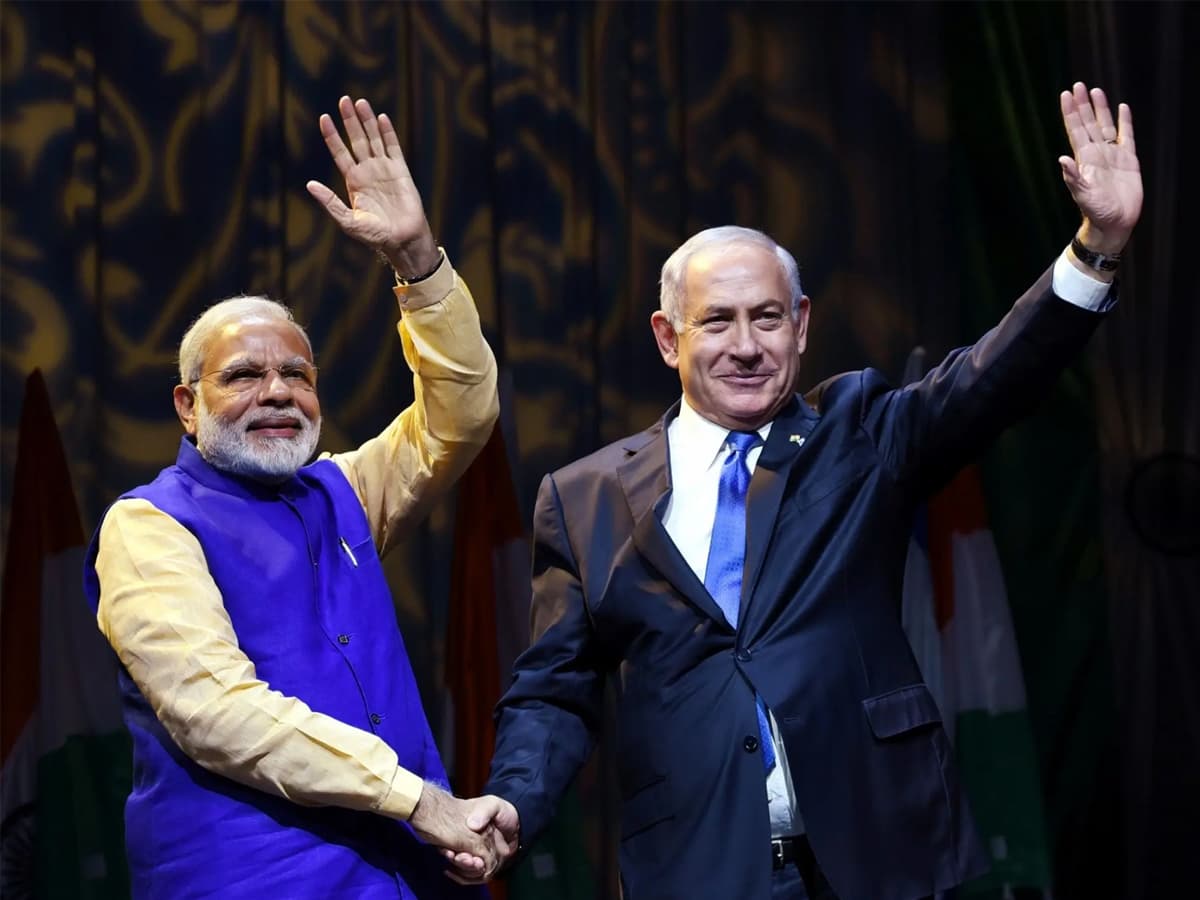
Indian Prime Minister Narendra Modi has commenced a high-stakes, two-day diplomatic mission to Israel to solidify a massive defense and trade partnership, despite mounting domestic criticism over the Gaza conflict.
The landmark visit underscores a profound geopolitical alignment, with Prime Minister Modi seeking to fortify the India-Middle East-Europe Economic Corridor (IMEC) and counter rising regional extremisms.
This tightening alliance carries vast implications for the Global South, particularly as East African nations observe how major non-aligned powers balance lucrative defense procurement with complex Middle Eastern diplomacy.
Prime Minister Narendra Modi's arrival in Tel Aviv marks his second official visit to Israel in nine years, a clear testament to the elevated strategic partnership forged between the two nations since 2017. Greeted on the tarmac by Israeli Prime Minister Benjamin Netanyahu, the itinerary is packed with high-level bilateral engagements. The diplomatic schedule includes extensive one-on-one negotiations, a historic address to the Knesset (the Israeli parliament), and comprehensive meetings with Israeli President Isaac Herzog. The core agenda is laser-focused on advancing cooperation in artificial intelligence, quantum technology, agriculture, and critically, cutting-edge military hardware.
However, the visit is enveloped in fierce domestic controversy within India. Opposition leaders, notably senior Congress party figure Priyanka Gandhi, have publicly demanded that Modi utilize his platform at the Knesset to address the staggering civilian casualties in the Gaza Strip. Balancing the intricate sensitivities of India's vast Muslim population with the undeniable strategic benefits of the Israeli alliance remains a formidable tightrope for the Hindu-nationalist leader.
The bedrock of the India-Israel relationship is a colossal and rapidly expanding defense trade. Over the past five years, India has emerged as Israel's largest military client, accounting for an estimated 34 percent of Israel's total arms exports. According to the Stockholm International Peace Research Institute (SIPRI) and official directorate figures, Israel has facilitated roughly $20.5 billion (approx. KES 2.6 trillion) in arms sales to the subcontinent.
This visit is expected to dramatically scale this cooperation. Reports indicate advanced discussions surrounding the joint development of sophisticated air defense umbrellas and localized manufacturing. By aligning Israeli technological prowess with Modi's "Make in India" self-reliance mandate, both nations are creating an integrated military-industrial complex that significantly enhances India's defensive posture against regional adversaries.
Beyond weaponry, Modi's visit is intrinsically tied to grand economic strategy. Both New Delhi and Jerusalem are fiercely committed to reviving the India-Middle East-Europe Economic Corridor (IMEC). First unveiled in late 2023, this ambitious logistics network—comprising railways, maritime ports, and data pipelines linking India through the UAE, Saudi Arabia, and Israel into Europe—was severely derailed by the outbreak of the Gaza war on October 7.
Israeli officials explicitly view the IMEC as the physical manifestation of a new "moderate axis." This geopolitical bloc is strategically designed to counter the influence of extremist factions and rival alliances, particularly a Muslim Brotherhood-aligned coalition reportedly spearheaded by Turkey. Turkey's recent overtures and arms supplies to Pakistan have fundamentally unnerved New Delhi, accelerating India's embrace of Israel as a vital counterweight.
The India-Israel entente is being closely monitored by capitals across East Africa. Kenya and its regional neighbors maintain deep historical and economic ties with India, while concurrently expanding agricultural and security partnerships with Israel. Modi's pragmatic, interests-first foreign policy—successfully securing advanced Western and Israeli technology without entirely alienating traditional partners—serves as a compelling template for African diplomacy.
Furthermore, the stabilization of the IMEC trade route could eventually present lucrative secondary economic opportunities for East African ports situated along the Indian Ocean seaboard, integrating them into a broader, interconnected Afro-Asian trade network.
"Our nations share a robust and multifaceted strategic partnership that has witnessed remarkable growth; together, we are establishing a stable hexagon of alliances that promotes regional progress," declared Israeli Prime Minister Benjamin Netanyahu.
Keep the conversation in one place—threads here stay linked to the story and in the forums.
Sign in to start a discussion
Start a conversation about this story and keep it linked here.
Other hot threads
E-sports and Gaming Community in Kenya
Active 9 months ago
The Role of Technology in Modern Agriculture (AgriTech)
Active 9 months ago
Popular Recreational Activities Across Counties
Active 9 months ago
Investing in Youth Sports Development Programs
Active 9 months ago