We're loading the full news article for you. This includes the article content, images, author information, and related articles.
Treasury Cabinet Secretary Opiyo Wandayi has vigorously defended the involvement of government ministers in political party affairs, arguing that the constitution does not prohibit such dual roles.
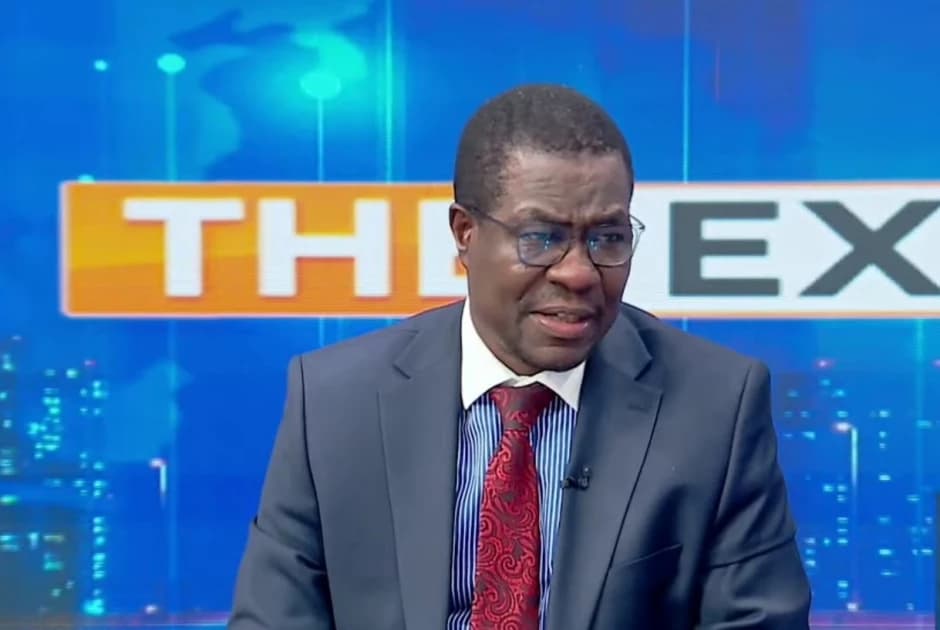
Treasury Cabinet Secretary Opiyo Wandayi has vigorously defended the involvement of government ministers in political party affairs, arguing that the constitution does not prohibit such dual roles.
The line between non-partisan government duty and active party politics is being firmly drawn—and fiercely defended. Treasury CS Opiyo Wandayi has unapologetically backed the right of Cabinet Secretaries to engage in political maneuvering.
This constitutional controversy strikes at the very heart of Kenya's newly formed broad-based government. As ODM leaders embedded in the executive face intense public backlash and brutal expulsion from parliamentary committees by party rebels, Wandayi's defense highlights the complex, often contradictory nature of maintaining strict political loyalty while allegedly serving a bipartisan, unifying national agenda.
The debate over whether appointed Cabinet Secretaries should dabble in the murky waters of political party affairs has raged for decades in Kenya. Traditionally, public servants are expected to maintain an aura of absolute neutrality, serving all citizens equally regardless of political affiliation. However, Treasury Cabinet Secretary Opiyo Wandayi has shattered this conventional expectation. In a robust defense of his actions and those of his newly appointed colleagues, Wandayi argued categorically that the law permits such engagement. He stated that being a cabinet secretary and participating in party affairs are not mutually exclusive concepts under the current legal framework. This bold interpretation of the Constitution has sparked outrage among civil society groups and opposition purists who argue it compromises the integrity of state offices.
Wandayi's defense is not merely academic; it is deeply rooted in political survival. The incorporation of senior ODM figures into President William Ruto's cabinet was a seismic shift in Kenyan politics. Wandayi aggressively dismissed circulating claims that the ODM leaders who accepted these powerful government roles acted in defiance of their party leader, former Prime Minister Raila Odinga. He insisted that the move was fully sanctioned and designed to ensure the success of a broad-based, inclusive national administration during a time of extreme economic and social volatility.
The fallout from this political marriage of convenience has been swift and brutal within the legislature. The ODM party is currently tearing itself apart as infighting intensifies. Lawmakers who vehemently opposed the broad-based government deal are being systematically punished and purged from influential positions. Minority Leader and Suna East MP Junet Mohamed orchestrated the removal of dissenting MPs from key National Assembly committees. Suba South MP Caroli Omondi was unceremoniously stripped of his chairmanship of the powerful Constitution Implementation Oversight Committee (CIOC), a move he bitterly described as highly irregular and a precursor to election rigging.
Other prominent casualties of this internal party purge include Kisumu Woman Representative Ruth Odinga and Kitutu Chache South MP Antony Kibagendi. Both have been vocal, uncompromising critics of the current hybrid government arrangement. Junet Mohamed issued a chilling warning to the parliamentary group: defiance of the official party line and criticism of the coalition will result in immediate, punitive committee seat changes. This heavy-handed disciplinary approach signals a massive, ruthless political realignment as factions maneuver for absolute control ahead of the crucial 2027 general elections.
The current political environment is unprecedented. Cabinet Secretaries like Wandayi are forced to balance the immense, demanding technocratic responsibilities of running state ministries—particularly the highly sensitive National Treasury—with the vicious, daily demands of grassroots party politics. The opposition essentially has one foot in the government and one foot out, creating a confusing, unprecedented dynamic for the electorate and the media. As the 2027 election cycle slowly grinds into motion, the tension between executing public duty and engaging in partisan campaigning will undoubtedly escalate, testing the very limits of the Kenyan constitution.
"Being a cabinet secretary and participating in party affairs is not mutually exclusive; the law and the constitution make this absolutely clear," Wandayi declared defiantly.
Keep the conversation in one place—threads here stay linked to the story and in the forums.
Sign in to start a discussion
Start a conversation about this story and keep it linked here.
Other hot threads
E-sports and Gaming Community in Kenya
Active 9 months ago
The Role of Technology in Modern Agriculture (AgriTech)
Active 9 months ago
Popular Recreational Activities Across Counties
Active 9 months ago
Investing in Youth Sports Development Programs
Active 9 months ago
Key figures and persons of interest featured in this article