We're loading the full news article for you. This includes the article content, images, author information, and related articles.
Despite millions allocated for relief, Jarajila Ward residents and livestock face severe peril as local leaders push for accelerated interventions.
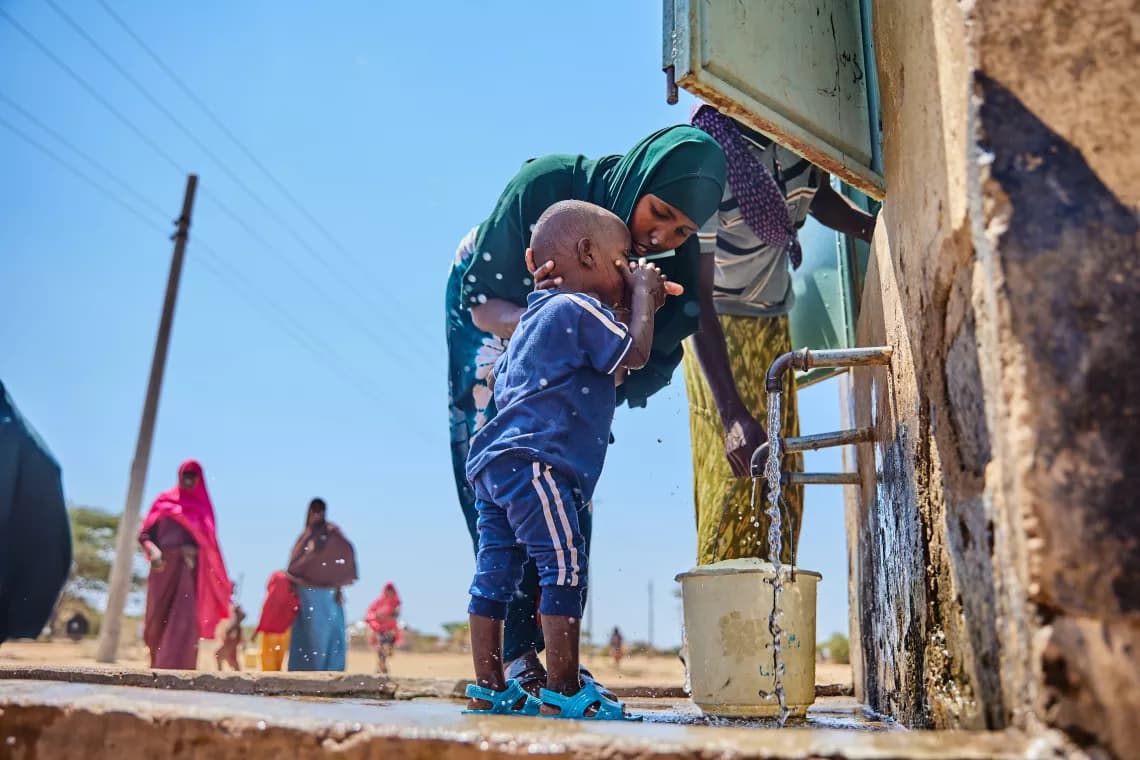
Despite millions allocated for relief, Jarajila Ward residents and livestock face severe peril as local leaders push for accelerated interventions.
Frustration is boiling over in Northern Kenya as local leaders sound the alarm over the sluggish pace of drought mitigation efforts. A prominent Member of the County Assembly (MCA) has publicly demanded that the Garissa County government immediately ramp up its crisis response.
The stark disconnect between substantial budgetary allocations for disaster relief and the grim reality on the ground has sparked intense scrutiny. As the dry season tightens its grip on the region, pastoralist communities are staring down the barrel of economic ruin and severe food insecurity.
The Arid and Semi-Arid Lands (ASALs) of Kenya, including Garissa County, are trapped in an increasingly brutal cycle of climatic extremes. Prolonged droughts are frequently punctuated by devastating flash floods, leaving communities little time to recover before the next disaster strikes.
For pastoralists, livestock is not merely property; it is the absolute foundation of their economic and social existence. When water pans dry up and pasture turns to dust, the resulting mass death of cattle, goats, and camels represents the total obliteration of generational wealth.
The Jarajila ward MCA lamented that despite millions of shillings being earmarked in county budgets for drought resilience and emergency relief, the tangible impact at the grassroots level remains negligible. This administrative inertia leaves vulnerable populations exposed to the harshest elements of nature with little to no state protection.
The core of the current outcry is a demand for radical transparency and operational efficiency. The traditional reactive approach—waiting for livestock to begin dying before deploying emergency water trucking and relief food—is widely condemned as unsustainable and inhumane.
Effective drought mitigation requires proactive, structural investments. This includes the drilling of deep, solar-powered boreholes, the construction of mega-dams for rainwater harvesting, and the implementation of robust livestock off-take programs that allow pastoralists to sell their animals before they succumb to starvation.
The failure to implement these long-term strategies, despite the availability of devolved funds, points to a systemic breakdown in project execution and oversight. Local communities are increasingly demanding forensic audits to track exactly where drought mitigation funds are being channeled.
To break the cycle of dependency on emergency aid, Northern Kenya requires a paradigm shift in how it manages its natural resources. The county government must pivot from crisis management to genuine climate adaptation.
Empowering local communities with early warning climate data, introducing drought-resistant fodder varieties, and diversifying the local economy away from pure pastoralism are critical steps toward building long-term resilience.
The time for bureaucratic delays has passed; the survival of entire communities hangs in the balance.
"Our people and livestock remain in dire need of assistance," warned the MCA, issuing a stark ultimatum to the county executive.
Keep the conversation in one place—threads here stay linked to the story and in the forums.
Sign in to start a discussion
Start a conversation about this story and keep it linked here.
Other hot threads
E-sports and Gaming Community in Kenya
Active 9 months ago
The Role of Technology in Modern Agriculture (AgriTech)
Active 9 months ago
Popular Recreational Activities Across Counties
Active 9 months ago
Investing in Youth Sports Development Programs
Active 9 months ago