We're loading the full news article for you. This includes the article content, images, author information, and related articles.
Two major internationally-funded initiatives will deploy 1,000 solar cold-storage units to benefit 60,000 farmers and electrify 68,000 motorcycles, aiming to slash emissions, cut food waste, and create thousands of green jobs.

NAIROBI—In a significant boost to Kenya's climate and development goals, three United Nations agencies unveiled two major projects on Friday, November 7, 2025, targeting agriculture and transport—two critical sectors of the nation's economy. The initiatives, funded by the Mitigation Action Facility, will roll out a nationwide solar-powered cold storage network for smallholder farmers and accelerate the adoption of electric two- and three-wheelers. The projects are a partnership between the Government of Kenya, the United Nations Development Programme (UNDP), the United Nations Capital Development Fund (UNCDF), and the World Resources Institute (WRI).
Speaking at the launch in Nairobi, Principal Secretary for the Ministry of Environment, Climate Change and Forestry, Dr. Eng. Festus Ng’eno, stated that the initiatives demonstrate a holistic approach to sustainable development. "By supporting farmers with solar-powered cold storage and expanding clean transport, we are not only reducing emissions but also building resilient communities and local industries," he said.
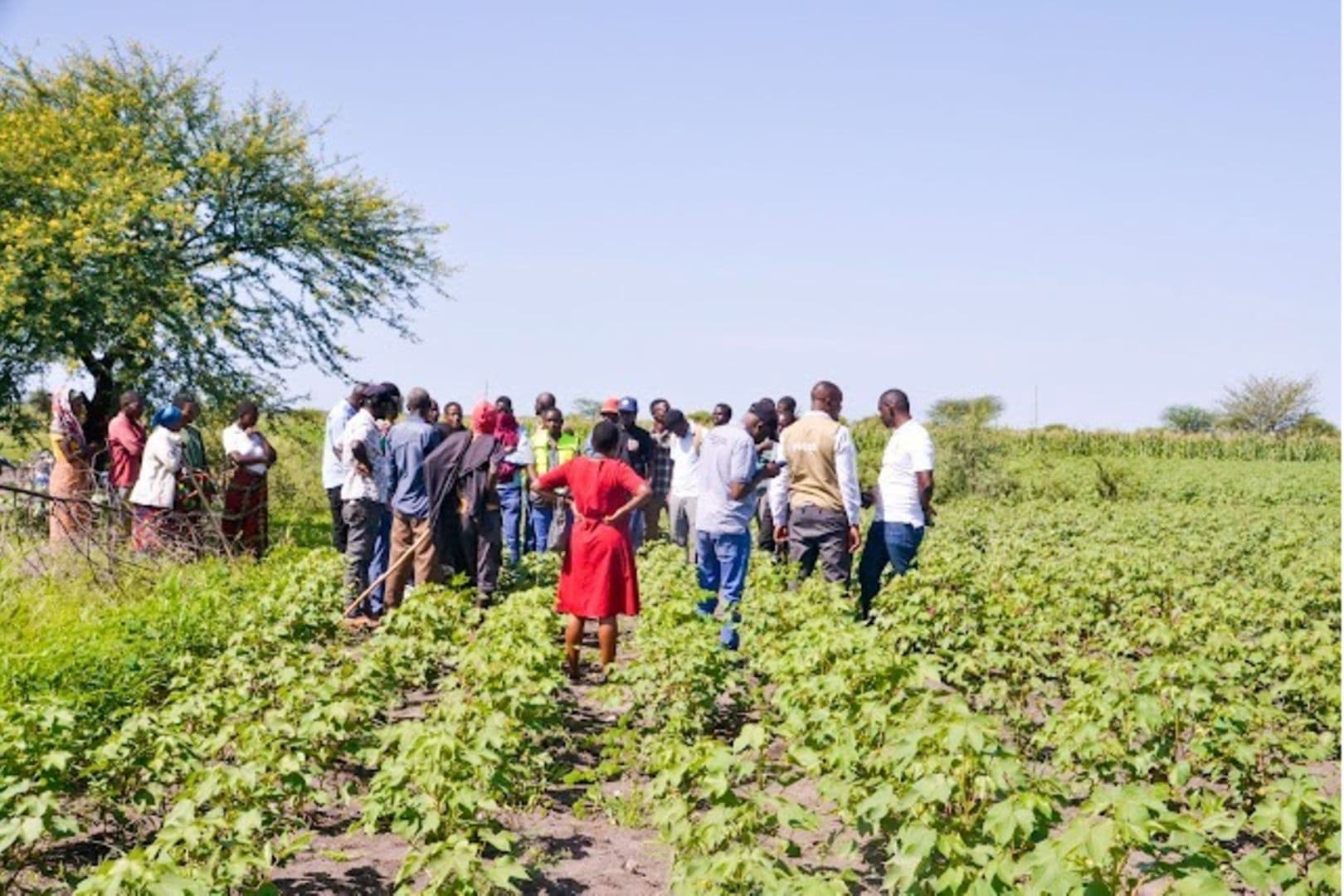
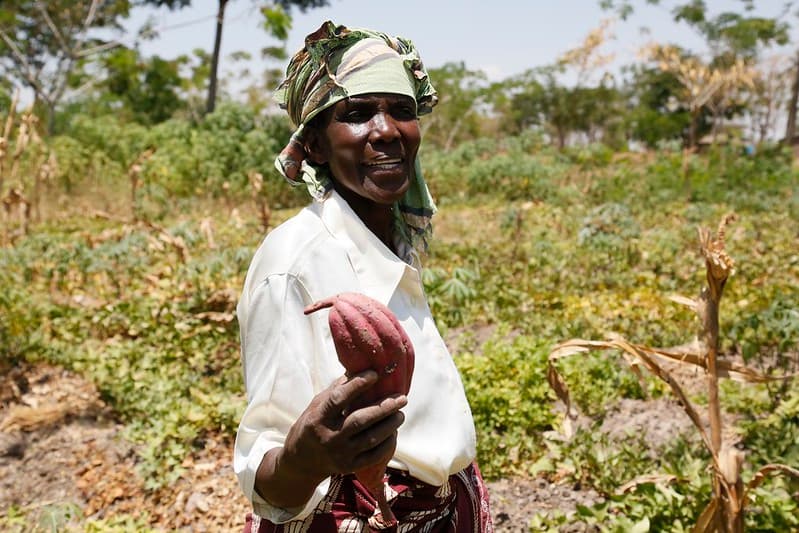
The first project directly confronts Kenya's severe post-harvest losses, which cost the country an estimated KES 72 billion annually, with up to 40% of food produced being wasted before it reaches consumers. In partnership with the government, the UNDP and UNCDF will deploy 1,000 solar-powered cold storage units across the country. This intervention is projected to preserve 5,000 tonnes of food, directly benefiting 60,000 smallholder farmers by giving them the ability to store produce and access markets more effectively. Over its lifetime, the project is expected to mitigate 4.8 million tonnes of CO₂ equivalent, aligning with Kenya's Climate-Smart Agriculture Strategy.
UNDP Kenya Resident Representative, Dr. Jean-Luc Stalon, framed the challenge as a significant economic opportunity. "Within this challenge lies a $2.1 billion opportunity to strengthen our cold chain, ensure food reaches our tables, boost our economy and build a more resilient future," he remarked. To ensure sustainability, the project will use concessional loans and guarantees to de-risk private investment in the cold-chain ecosystem, as explained by UNCDF Regional Investment Team Lead, Omon Ukpoma-Olaiya.
The second initiative, 'Electrifying Kenya’s Two and Three Wheelers,' is a five-year national programme technically led by WRI. It targets the boda boda and tuk-tuk sector, which accounts for over 70% of annual vehicle registrations in Kenya and is a vital part of the economy. The programme aims to accelerate the adoption of approximately 68,000 electric vehicles in Kilifi, Kiambu, and Kajiado counties. This is expected to create around 68,000 green jobs in assembly, maintenance, and related services while strengthening local manufacturing capacity.
WRI Kenya Country Representative, George Mwaniki, noted the sector's readiness for a green transition. "With 90% of Kenya’s electricity from renewables, electrifying this fleet offers a high-impact path to avoid fossil-fuel lock-in while supporting growth," Mwaniki stated. The project is designed to cut one million tonnes of emissions over ten years, contributing directly to Kenya's updated Nationally Determined Contribution (NDC) goal of a 32% greenhouse gas emissions reduction by 2030.
These twin projects represent a strategic investment in Kenya's low-carbon development pathway. By simultaneously addressing agricultural inefficiency and transport emissions, the initiatives support the government's Bottom-Up Economic Transformation Agenda (BETA) by empowering small-scale farmers and creating jobs in the burgeoning green tech sector. The innovative financing models, which blend public funds with private capital, are designed to create scalable and sustainable market-driven solutions. This positions Kenya as a regional leader in implementing practical climate actions that yield tangible economic and social benefits, moving the country closer to its ambitious Vision 2030 development goals.
Keep the conversation in one place—threads here stay linked to the story and in the forums.
Sign in to start a discussion
Start a conversation about this story and keep it linked here.
Other hot threads
E-sports and Gaming Community in Kenya
Active 9 months ago
The Role of Technology in Modern Agriculture (AgriTech)
Active 9 months ago
Popular Recreational Activities Across Counties
Active 9 months ago
Investing in Youth Sports Development Programs
Active 9 months ago