We're loading the full news article for you. This includes the article content, images, author information, and related articles.
DAR ES SALAAM: IN last week’s discussion, we attempted to delve into this important subject, highlighting some of the reasons behind the unfavourable conditions facing our farmers.
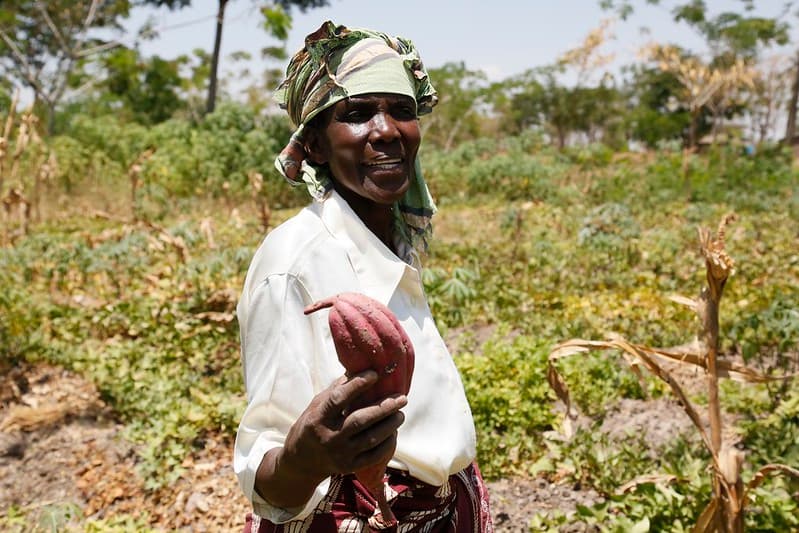
Systemic market failures, predatory pricing by middlemen, and a critical lack of financial literacy continue to trap Tanzanian farmers in a brutal cycle of poverty, highlighting an urgent agricultural crisis that mirrors the struggles of rural producers across East Africa.
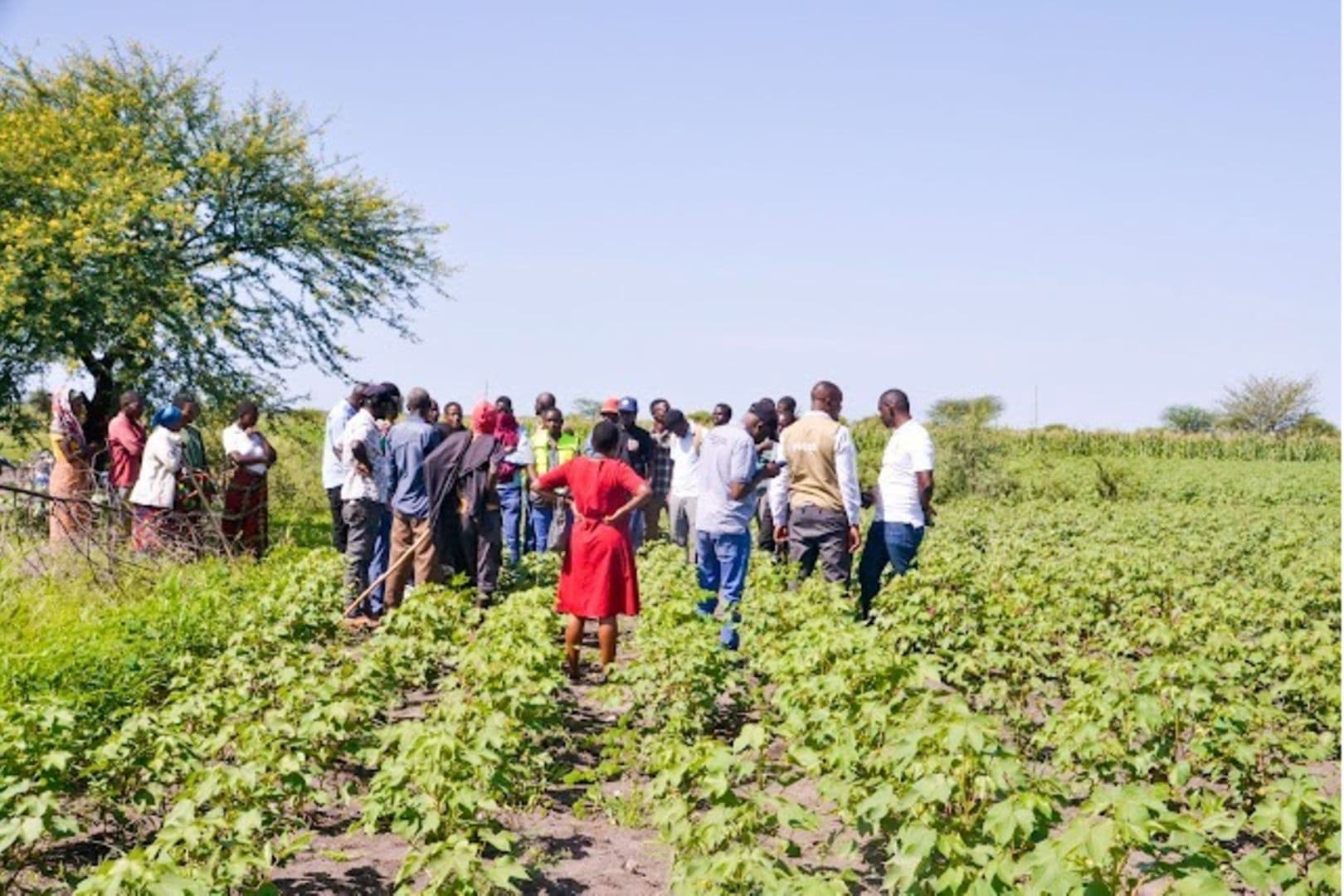
Despite being the undeniable backbone of the national economy, the agricultural producer in Tanzania remains fundamentally disadvantaged within the modern value chain. A deep dive into the structural mechanics of crop procurement reveals a deeply skewed commercial landscape where the primary wealth creator is systematically alienated from the profits of their own labour.
This enduring exploitation demands immediate intervention because agricultural stagnation directly jeopardises national food security and macroeconomic growth. Unless the power dynamic between the rural farmer and the industrial processor is aggressively rebalanced, the goal of achieving widespread economic emancipation in the rural hinterlands will remain an unattainable illusion.
The core genesis of agrarian poverty lies in the complete absence of bargaining power. Unlike virtually every other commercial sector, the agricultural producer does not dictate the final market value of their commodity. Whether navigating formal contract farming agreements or the chaotic informal market, the farmer operates strictly as a "price taker."
In the consumer electronics or automotive sectors, manufacturers calculate their overheads, append a profit margin, and present a non-negotiable retail price to the consumer. The buyer conforms to the manufacturer's economic worldview. Conversely, the Tanzanian farmer brings their harvest to the market entirely vulnerable to the arbitrary pricing dictates of aggregators, processors, and international commodity boards. They are forced to accept whatever rate is offered, frequently selling at a loss simply to liquidate perishable stock and service immediate debts.
Compounding this structural disadvantage is a severe deficit in grassroots financial literacy. The vast majority of smallholder farmers operate without formal ledgers, making it mathematically impossible to accurately calculate profit or loss margins. Without granular data on input costs—including seeds, fertilisers, agrochemicals, and the monetised value of their own physical labour—farmers cannot establish a rational baseline or break-even point.
When an enterprise cannot accurately measure its operational expenditure, it cannot advocate for fair compensation. This informational asymmetry is ruthlessly exploited by middlemen who leverage their access to real-time market data to maximise their own arbitrage profits.
This exploitative architecture is intimately familiar to the Kenyan agricultural sector, rendering it a pan-East African emergency. Kenyan maize, tea, and coffee farmers have spent decades locked in brutal combat with entrenched cartels and corrupt cooperative leadership that siphon off the lion's share of export revenues. The "broker" economy thrives from the slopes of Mount Kenya to the fertile plains of Morogoro.
To combat this, Kenya has intermittently attempted to deploy guaranteed minimum return (GMR) schemes and digitise subsidy distribution to bypass predatory intermediaries. Tanzania must urgently observe and adapt these regional policy experiments. The establishment of powerful, transparent, and farmer-led cooperative unions—backed by stringent government regulations that criminalise predatory procurement practices—is absolutely essential to dismantling the broker monopolies.
Global precedents prove that farmers cannot survive without robust legislative protection. In highly industrialised nations, agricultural subsidies and strict anti-monopoly regulations shield producers from volatile market forces and unfair competition. Tanzania must transition from passive observation to aggressive regulatory intervention.
The state must champion the widespread deployment of agritech solutions, equipping rural producers with real-time commodity pricing via mobile platforms, effectively breaking the informational monopoly of the traders. Furthermore, investing in local value-addition processing plants will ensure that the lucrative final stages of the agricultural supply chain occur closer to the farm gate, retaining wealth within the rural communities.
"A nation that permits the systematic impoverishment of the hands that feed it is actively engineering its own economic starvation."
Keep the conversation in one place—threads here stay linked to the story and in the forums.
Sign in to start a discussion
Start a conversation about this story and keep it linked here.
Other hot threads
E-sports and Gaming Community in Kenya
Active 9 months ago
The Role of Technology in Modern Agriculture (AgriTech)
Active 9 months ago
Popular Recreational Activities Across Counties
Active 9 months ago
Investing in Youth Sports Development Programs
Active 9 months ago