We're loading the full news article for you. This includes the article content, images, author information, and related articles.
Tanzania is launching an aggressive strategy to transform date palm cultivation into a dominant commercial sector, aiming to combat drought and fortify regional food security.
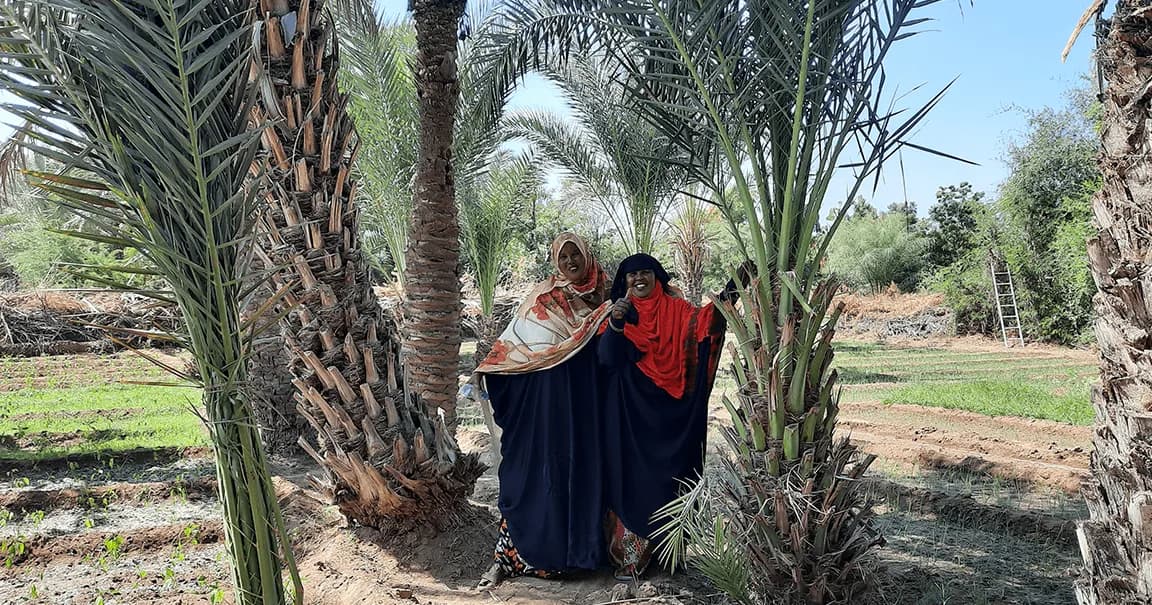
Tanzania is launching an aggressive strategy to transform date palm cultivation into a dominant commercial sector, aiming to combat drought and fortify regional food security.
In a decisive move to counter the creeping threat of aridification, Tanzanian agricultural authorities have validated a landmark operational manual to commercialize date palm farming across its semi-arid regions.
This agricultural pivot holds profound implications for East Africa. With Kenya's Arid and Semi-Arid Lands (ASALs) facing unprecedented, multi-year droughts that decimate traditional pastoral and agricultural livelihoods, Tanzania's scientific approach to date palm commercialization offers a highly viable, drought-resistant economic alternative for the entire region.
Historically, date palms have grown organically and sporadically in the Dodoma, Singida, and Tabora regions. However, this natural presence has never been systematically harnessed for its lucrative economic potential. The Food and Agriculture Organisation (FAO), in a strategic alliance with the Tanzania Agricultural Research Institute (TARI), recently convened a high-level validation workshop in Dodoma. This gathering of policymakers, agronomists, and extension officers marked the definitive transition of the crop from a traditional curiosity to a structured commercial enterprise.
The initiative is heavily backed by the King Salman Humanitarian Aid and Relief Centre (KSrelief) under a specialized emergency and resilience-building project. Dr. Nicholaus Kuboja, the National Project Coordinator at TARI Mlingano, highlighted the critical gap: while the crop exists natively, it lacks the scientific cultivation required for global market penetration. This structured commercialization is designed to translate latent agricultural potential into tangible, sustainable rural wealth.
The climatic pressures driving this initiative are universally felt across East Africa. In Kenya, shifting weather patterns have frequently brought the agricultural sector—which forms the backbone of the economy—to its knees. Traditional cash crops like maize and tea are increasingly vulnerable to erratic rainfall. The date palm, inherently evolved to thrive in severe dry environments, represents a strategic diversification of the agricultural portfolio.
If successfully implemented, the Tanzanian model could be directly exported to Kenya's northern counties, such as Turkana and Marsabit. The newly validated Draft Agricultural Training Manual serves as a comprehensive blueprint. It dictates exacting standards across the entire value chain, encompassing optimal seed selection, advanced irrigation methodologies, precise fertilizer application, and rigorous post-harvest quality controls essential for accessing premium international markets.
The economic upside is staggering. Premium dates command high prices globally, and establishing a domestic supply chain reduces reliance on expensive imports from the Middle East. For local farmers, this transition could elevate annual incomes dramatically, shifting families from subsistence survival to active participants in the global agrarian economy. The initial capital outlay for irrigation and specialized seed stock will be significant, requiring investments in the millions of Kenyan Shillings (KES) per cooperative, but the long-term yield promises robust returns.
Furthermore, the project integrates key institutional support from the National Irrigation Commission (NIRC) and the Tanzania Official Seed Certification Institute (TOSCI), ensuring that the expansion is rooted in scientific rigor rather than speculative planting. This holistic, inter-agency approach guarantees that infrastructural support scales in tandem with agricultural output.
By unlocking the economic power of the desert, Tanzania is not just securing its own food future; it is planting the seeds of climate resilience for the entire East African region.
Keep the conversation in one place—threads here stay linked to the story and in the forums.
Sign in to start a discussion
Start a conversation about this story and keep it linked here.
Other hot threads
E-sports and Gaming Community in Kenya
Active 9 months ago
The Role of Technology in Modern Agriculture (AgriTech)
Active 9 months ago
Popular Recreational Activities Across Counties
Active 9 months ago
Investing in Youth Sports Development Programs
Active 9 months ago