We're loading the full news article for you. This includes the article content, images, author information, and related articles.
The Tanzania Cotton Board has initiated a major mechanized offensive against agricultural pests, deploying sixteen self-propelled boom sprayers across five strategic districts. This move signals a radical shift towards modernization that could ripple across East Africa's agricultural landscape.
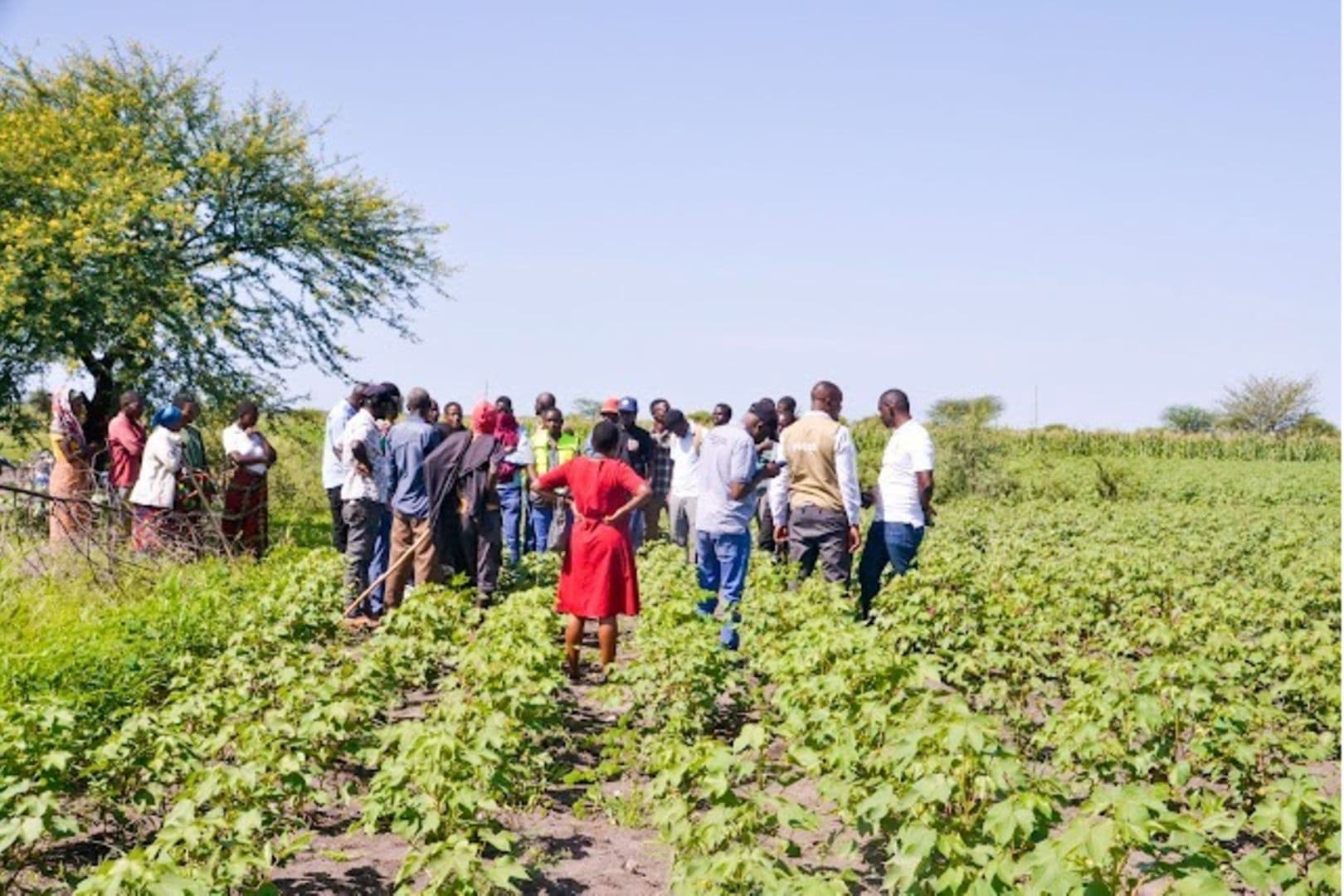
The Tanzania Cotton Board has initiated a major mechanized offensive against agricultural pests, deploying sixteen self-propelled boom sprayers across five strategic districts. This move signals a radical shift towards modernization that could ripple across East Africa's agricultural landscape.
In a decisive move to protect one of its most vital cash crops, Tanzania has unleashed a fleet of state-of-the-art agricultural machinery into its cotton belt. The introduction of sixteen self-propelled boom sprayers marks a pivotal moment in the nation's fight against devastating agricultural pests.
This aggressive mechanization strategy matters immensely right now. As climate change accelerates pest breeding cycles across East Africa, traditional manual spraying is no longer viable. For regional economies heavily reliant on textile exports, modernizing crop protection is an economic imperative that promises to safeguard billions in revenue and secure the livelihoods of millions of farmers.
The Ministry of Agriculture, operating under the aegis of the Tanzania Cotton Board (TCB), confirmed the deployment of these advanced machines to five strategic, high-yield districts: Meatu, Maswa, Kishapu, Igunga, and Bariadi. These areas form the crucible of Tanzania's cotton production, historically plagued by bollworms and other pervasive insect threats that have routinely decimated annual harvests and discouraged agricultural investment. The transition from rudimentary knapsack sprayers to self-propelled, highly mechanized units represents a quantum leap in operational capacity. Capable of covering vast tracts of land with precision application, these machines ensure optimal chemical distribution while minimizing environmental runoff.
This technological upgrade is expected to drastically slash operational costs and reduce the time required to treat expansive fields. By centralized, state-supported mechanization, the TCB is removing the financial and logistical burden of pest control from individual smallholder farmers, allowing them to focus entirely on crop cultivation and harvest preparation. The estimated capital expenditure for such a fleet easily runs into the hundreds of millions of Tanzanian Shillings (approximately KES 150 million), underscoring the government's serious financial commitment to the agricultural sector.
Tanzania's bold investment offers a compelling blueprint for neighboring countries, particularly Kenya, where the revitalization of the cotton industry remains a top-tier economic objective under the national manufacturing agenda. In Kenyan regions such as Siaya, Busia, and the coastal belt, farmers have long struggled with similar pest infestations that have crippled yields and stifled the revival of facilities like Rivatex. By shifting the burden of pest control from the individual smallholder to state-backed, large-scale mechanized solutions, Tanzania is creating a more resilient supply chain. Kenyan policymakers and agricultural economists are watching closely; if the TCB's initiative successfully increases per-acre yields and fiber quality, it could catalyze a regional shift in how East African nations support their cash crop sectors.
The return on investment for this mechanization is projected to be exponential. The TCB aims to leverage this technological advantage to cement Tanzania's position as a premier, highly competitive cotton exporter on the global stage. Furthermore, this initiative aligns seamlessly with broader national goals to boost self-regulation and promote the domestic processing and consumption of cotton. By guaranteeing a stable, high-quality supply of raw material, the government hopes to stimulate the local textile manufacturing sector, creating downstream jobs and retaining more value within the domestic economy.
For the wider East African Community, a thriving Tanzanian cotton sector means enhanced cross-border trade opportunities and a stronger regional textile value chain. As global supply chains remain volatile, building robust, mechanized local agricultural sectors is the most effective defense against economic instability and fluctuating global commodity prices.
"The future of East African agriculture is inextricably linked to our willingness to embrace technology; those who mechanize will thrive, while those who hesitate will be left behind."
Keep the conversation in one place—threads here stay linked to the story and in the forums.
Sign in to start a discussion
Start a conversation about this story and keep it linked here.
Other hot threads
E-sports and Gaming Community in Kenya
Active 9 months ago
The Role of Technology in Modern Agriculture (AgriTech)
Active 9 months ago
Popular Recreational Activities Across Counties
Active 9 months ago
Investing in Youth Sports Development Programs
Active 9 months ago