We're loading the full news article for you. This includes the article content, images, author information, and related articles.
In a bold assertion of national sovereignty, Zambia has derailed a massive billion-dollar American health aid package, citing covert clauses that demanded unrestricted access to citizen data and highly lucrative mining concessions.
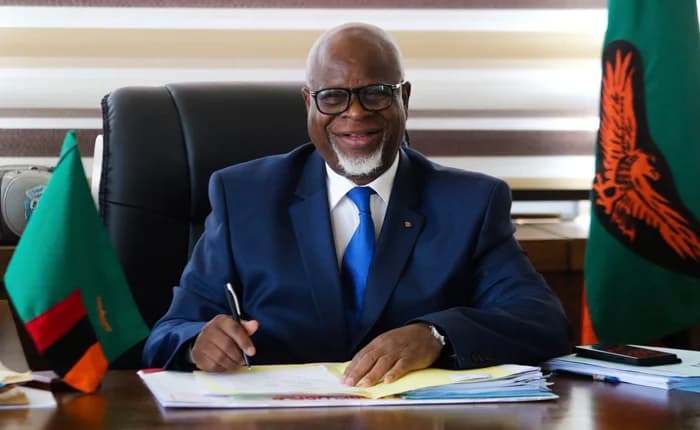
The geopolitical battleground for Africa's vast mineral wealth has spilled violently into the public health sector, resulting in the spectacular collapse of a highly anticipated US-Zambia bilateral aid agreement.
Zambia's refusal to sign the $1.012 billion (approx. KES 131.5 billion) health financing deal exposes the increasingly transactional nature of modern foreign aid. By conditioning critical funding on a decade of data sharing and aggressive business-sector reforms favouring American mining interests, the US administration has ignited furious accusations of exploitation. This high-stakes diplomatic standoff serves as a profound warning to East African nations negotiating their own international development partnerships.
For months, Lusaka and Washington had been drafting a monumental five-year agreement designed to drastically improve disease outbreak preparedness, tackle HIV and malaria, and reduce maternal mortality. The US committed over a billion dollars, requiring the Zambian government to co-finance approximately $340 million (approx. KES 44.2 billion) and hire 40,000 new healthcare workers.
However, the deal derailed spectacularly just before its scheduled signing. Leaked drafts of the memorandum of understanding revealed highly irregular covert clauses inserted by the Trump administration. The conditions explicitly linked life-saving health financing to "collaboration in the mining sector and clear business-sector reforms," designed to secure US economic access to Zambia's lucrative mineral deposits.
Equally alarming to human rights advocates was a draconian mandate requiring Zambia to grant Washington unrestricted access to its national health data for 10 years—an unprecedented demand far exceeding standard diplomatic protocols.
Civil society organizations immediately mobilized against the agreement. Asia Russell, director of the HIV advocacy organization Health Gap, condemned the US tactics as "immoral," accusing Washington of conditioning essential medical services on the systematic plundering of sovereign mineral wealth. Human rights groups warned that signing away citizens' health data constituted a gross violation of privacy and national security.
The diplomatic friction rapidly generated domestic political casualties. In mid-February, Zambia's Health Minister, Elijah Muchima, publicly went on television to deny that the health financing was inextricably linked to mining concessions, attempting to distance himself from the external conditions.
Three days later, Zambian President Hakainde Hichilema abruptly fired Muchima without providing an official explanation, signaling a severe internal rupture over how to handle the aggressive American negotiating tactics.
"This is essentially our government being asked to sign away the right to access the health data of its citizens to another country," stated Josiah Kalala of the Chapter One Foundation, capturing the widespread continental anxiety over weaponized foreign aid.
Keep the conversation in one place—threads here stay linked to the story and in the forums.
Sign in to start a discussion
Start a conversation about this story and keep it linked here.
Other hot threads
E-sports and Gaming Community in Kenya
Active 9 months ago
The Role of Technology in Modern Agriculture (AgriTech)
Active 9 months ago
Popular Recreational Activities Across Counties
Active 9 months ago
Investing in Youth Sports Development Programs
Active 9 months ago
Key figures and persons of interest featured in this article