We're loading the full news article for you. This includes the article content, images, author information, and related articles.
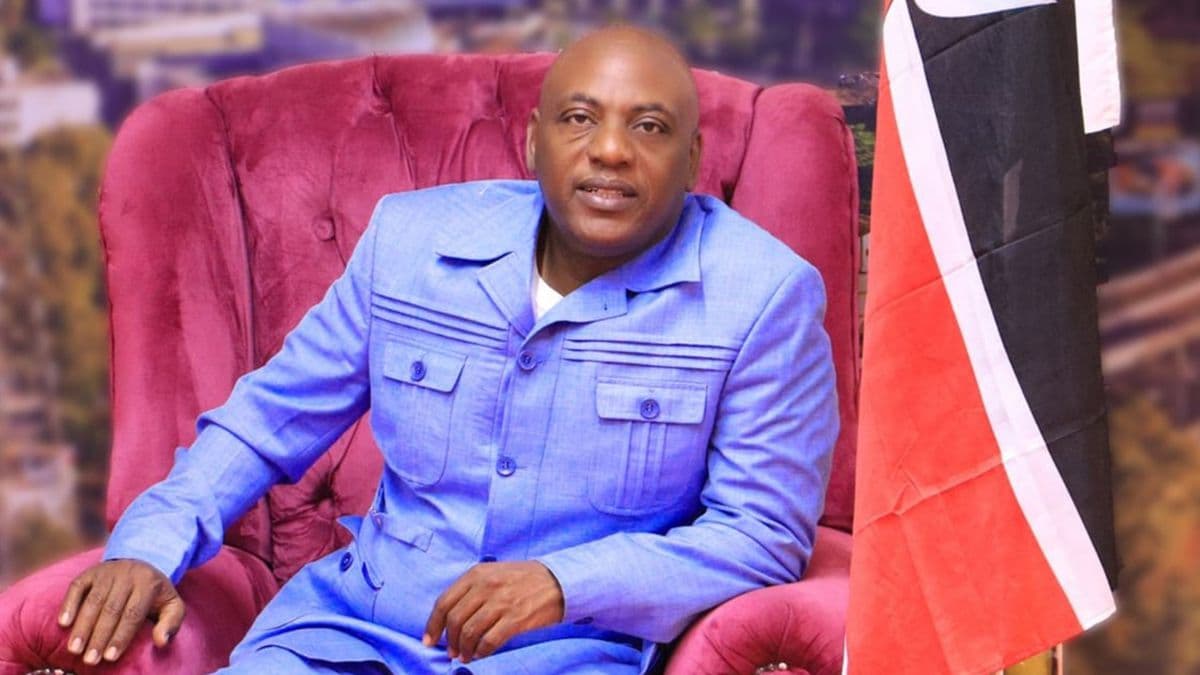
Nairobi Governor Johnson Sakaja has fiercely defended a massive KSh 80 billion cooperation agreement with the National Government, dismissing mounting criticism and fears of a stealthy return to military-style city management.

Facing intense scrutiny and a barrage of tough questions from the Senate, Nairobi Governor Johnson Sakaja has mounted a vigorous defense of the monumental KSh 80 billion (approx. USD 615 million) cooperation agreement inked with President William Ruto's National Government.
The high-stakes deal, designed to aggressively overhaul the capital's collapsing infrastructure and regenerate the heavily polluted Nairobi River, has triggered immense political paranoia. Critics and Members of the County Assembly (MCAs) fear the arrangement is a Trojan horse designed to strip City Hall of its constitutional mandate, eerily mirroring the defunct, military-led Nairobi Metropolitan Services (NMS).
Appearing before a Senate committee, Governor Sakaja categorically rejected the narrative that he had capitulated his executive authority to State House. He insisted that the agreement is firmly anchored in law, specifically citing Section 6 of the Urban Areas and Cities Act, which allows for special focus and co-management of the capital city.
'This is not a handover; it is cooperation,' Sakaja firmly stated. He articulated that Nairobi, as the economic lung and diplomatic hub of East Africa, inherently requires massive national investment that far exceeds the county’s independent revenue-generating capacity. The deal establishes a two-tier governance framework, featuring a powerful Steering Committee chaired by Prime Cabinet Secretary Musalia Mudavadi, with Sakaja serving as vice-chair.
The ghost of the NMS loomed large over the proceedings. The previous administration’s experiment with nationalizing city functions ended in 2022, leaving behind a trail of stalled projects and billions of shillings in un-auditable liabilities. MCAs are deeply concerned about their role in overseeing the new KSh 80 billion injection.
Sakaja moved to allay these fears, clarifying the financial architecture of the deal. He noted that funds originating from the national government will be strictly overseen by the National Assembly, while devolution matters remain squarely within the Senate’s purview.
In the brutal arena of Kenyan politics, Sakaja’s pragmatism is being tested. By aligning closely with the ruling UDA administration, he secures the financial firepower necessary to deliver on his manifesto, but at the risk of alienating his independent political base.
As the city chokes under the weight of poor planning and rapid urbanization, the success or failure of this cooperation deal will define Sakaja’s legacy and test the true flexibility of Kenya's devolution architecture.
'We must focus on service delivery rather than petty politics; the residents of Nairobi demand cleaner streets and better hospitals, not administrative turf wars,' President Ruto declared, throwing his full political weight behind the embattled governor.
Keep the conversation in one place—threads here stay linked to the story and in the forums.
Sign in to start a discussion
Start a conversation about this story and keep it linked here.
Other hot threads
E-sports and Gaming Community in Kenya
Active 9 months ago
The Role of Technology in Modern Agriculture (AgriTech)
Active 9 months ago
Popular Recreational Activities Across Counties
Active 9 months ago
Investing in Youth Sports Development Programs
Active 9 months ago