We're loading the full news article for you. This includes the article content, images, author information, and related articles.
Former Mungiki leader-turned-Apostle Ndura Waruinge pulls back the curtain on the formation, political weaponization, and brutal legacy of Kenya's most feared outlawed sect in a gripping new revelation.
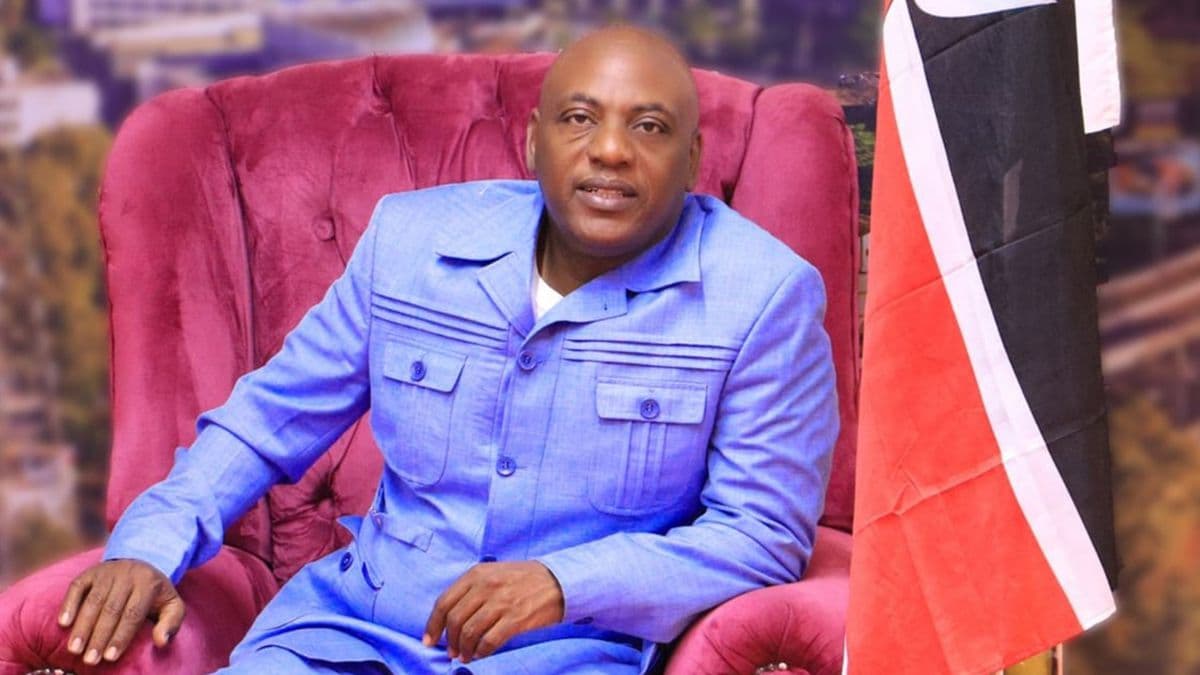
For over a decade, his name was a synonym for urban terror, whispered in hushed, fearful tones across Nairobi’s sprawling informal settlements. Today, Ndura Waruinge stands in the pulpit, preaching salvation and offering a chilling retrospective on his life as the architect of the Mungiki sect.
Waruinge’s journey from a teenage vigilante to a radicalized sect leader, and finally to a self-proclaimed apostle, is a dark mirror reflecting Kenya’s volatile post-colonial history. His recent revelations provide a forensic look into how a grassroots self-help group was mutated into a violent, politically sponsored syndicate that held the nation hostage.
According to Waruinge, the Mungiki movement did not begin as a criminal enterprise. In the early 1990s, against the backdrop of the politically instigated Rift Valley ethnic clashes and severe economic marginalization of the Mount Kenya region, Waruinge and a small group of youths formed a community-based organization. Their initial goal was economic empowerment and cultural revival.
However, the movement rapidly metastasized. By the late 1990s, Mungiki had established a brutal hegemony over the public transport sector, forced oathing rituals, and widespread extortion rackets. Waruinge admits the danger of the life he chose, claiming to have been arrested an astonishing 52 times, shot on 12 separate occasions, and poisoned nine times during his tenure at the helm.
The true power of Mungiki lay in its massive, disenfranchised youth base, making it a highly sought-after tool for Kenya’s political elite. Waruinge has vehemently denied allegations that the sect thrived purely on bloody extortion, instead framing their wealth as returns on legitimate, albeit aggressively protected, community investments.
His exit from the movement is equally steeped in political calculus. Waruinge claims he walked away from Mungiki in 2006, shortly after Mwai Kibaki secured the presidency, believing their ultimate political objective—placing a Kikuyu in the highest office—had been achieved. His departure fractured the group’s leadership, leaving figures like Maina Njenga to navigate the sect's increasingly violent final chapters.
Waruinge’s transformation into an Apostle raises enduring questions about justice and accountability. While he preaches peace, the scars left by Mungiki’s reign of terror remain deeply etched in the psyche of many Kenyans who suffered under their extortion and violence.
His story serves as a potent reminder of the dangers of weaponizing impoverished youth for political gain. Unless the systemic issues of unemployment and disenfranchisement are addressed, the vacuum left by Mungiki will inevitably be filled by new, equally dangerous factions.
'I saw no need to stay; our mission was complete, but the blood spilt along the way remains a heavy ledger on the nation's conscience,' Waruinge reflected, capturing the complex legacy of his dangerous past.
Keep the conversation in one place—threads here stay linked to the story and in the forums.
Sign in to start a discussion
Start a conversation about this story and keep it linked here.
Other hot threads
E-sports and Gaming Community in Kenya
Active 9 months ago
The Role of Technology in Modern Agriculture (AgriTech)
Active 9 months ago
Popular Recreational Activities Across Counties
Active 9 months ago
Investing in Youth Sports Development Programs
Active 9 months ago
Key figures and persons of interest featured in this article