We're loading the full news article for you. This includes the article content, images, author information, and related articles.
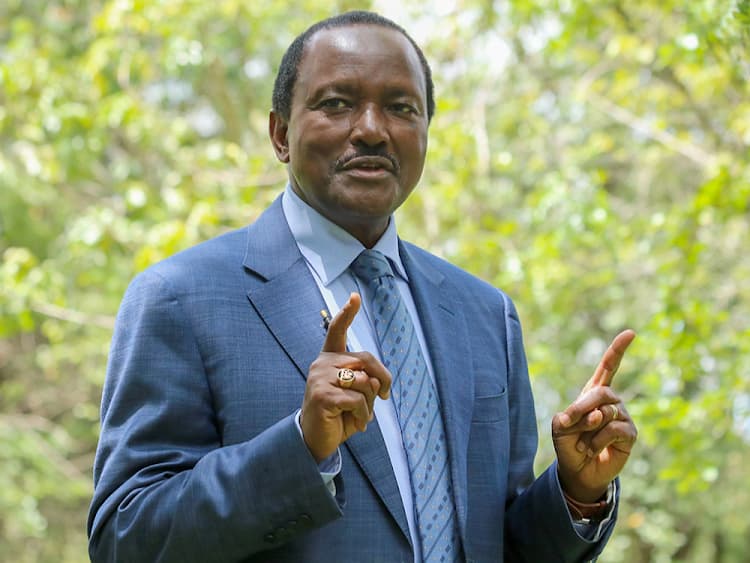
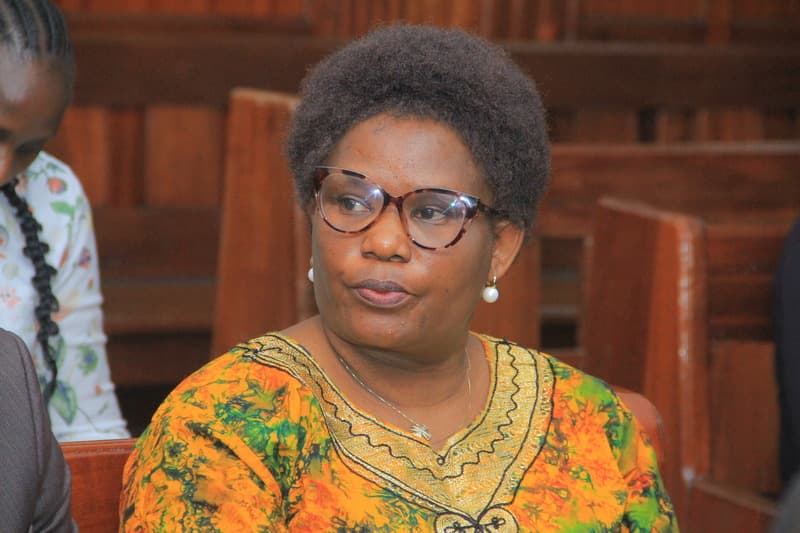
Mithika Linturi’s unexpected public apology to former Governor Kawira Mwangaza marks a fragile turning point in Meru politics, exposing deep-seated tensions.

Mithika Linturi’s unexpected public apology to former Governor Kawira Mwangaza marks a fragile turning point in Meru politics, exposing deep-seated tensions within the regional power structure and reigniting debates about central government interference in devolved units.
In a rare moment of contrition at the East Africa Pentecostal Church, the former Agriculture Cabinet Secretary publicly sought forgiveness from Mwangaza, describing their history of fierce conflict as a byproduct of external manipulation rather than genuine personal animosity. This reconciliation attempt comes against the backdrop of a region that has become synonymous with political volatility, characterized by multiple impeachment motions and a revolving door of leadership.
The reconciliation is not merely a personal matter; it is a calculated repositioning in the high-stakes chess game of Mt. Kenya East politics. Linturi’s narrative centers on a February 2024 incident, where he alleges that President William Ruto flew Mwangaza to Meru to prompt her to attack him publicly while he was still a Cabinet Secretary. This claim adds a volatile layer to the already fractured relationship between the center and the periphery.
Key takeaways from the unfolding political drama include:
The Meru situation serves as a grim case study of the challenges facing devolution in Kenya. Since the 2022 elections, the county has struggled with power-sharing dynamics, with the "Hustler vs. Dynasty" dichotomy failing to bridge the gap between grassroots interests and the ambitions of the political elite. The repeated impeachment motions against Mwangaza, which eventually saw her removed from office, were largely viewed by observers as a manifestation of a struggle for control over the county’s substantial budget and resources.
Linturi’s admission about the KES 100 million fund has sent shockwaves through the political establishment. If true, it raises profound questions about the integrity of the impeachment process in the Senate. Critics argue that this level of financial involvement in legislative outcomes undermines the very essence of parliamentary oversight. It transforms constitutional mechanisms for accountability into transactional tools for political consolidation.
As the political temperature rises ahead of the 2027 election cycle, the apology may be a tactical move to consolidate a united front in Meru. The question remains whether this newfound peace will hold or if it is merely a strategic pause in a broader, entrenched conflict. Local voters, weary of the constant turnover and infighting, are increasingly wary of the elite’s maneuvering, which they feel has stalled development for the sake of political supremacy.
The era of absolute political control by the traditional "bigwigs" of Meru appears to be fracturing. Whether this leads to a more stable governing environment or further fragmentation remains to be seen. For now, the apology represents an admission that the past cost of conflict was too high, and that survival, in the current political climate, may require unlikely bedfellows.
Keep the conversation in one place—threads here stay linked to the story and in the forums.
Sign in to start a discussion
Start a conversation about this story and keep it linked here.
Other hot threads
E-sports and Gaming Community in Kenya
Active 9 months ago
The Role of Technology in Modern Agriculture (AgriTech)
Active 9 months ago
Popular Recreational Activities Across Counties
Active 9 months ago
Investing in Youth Sports Development Programs
Active 9 months ago
Key figures and persons of interest featured in this article