We're loading the full news article for you. This includes the article content, images, author information, and related articles.
Tanzania has removed over 628 business levies and reviewed 94 laws to drive investment, as President Mwinyi signals a new era for regional competitiveness.

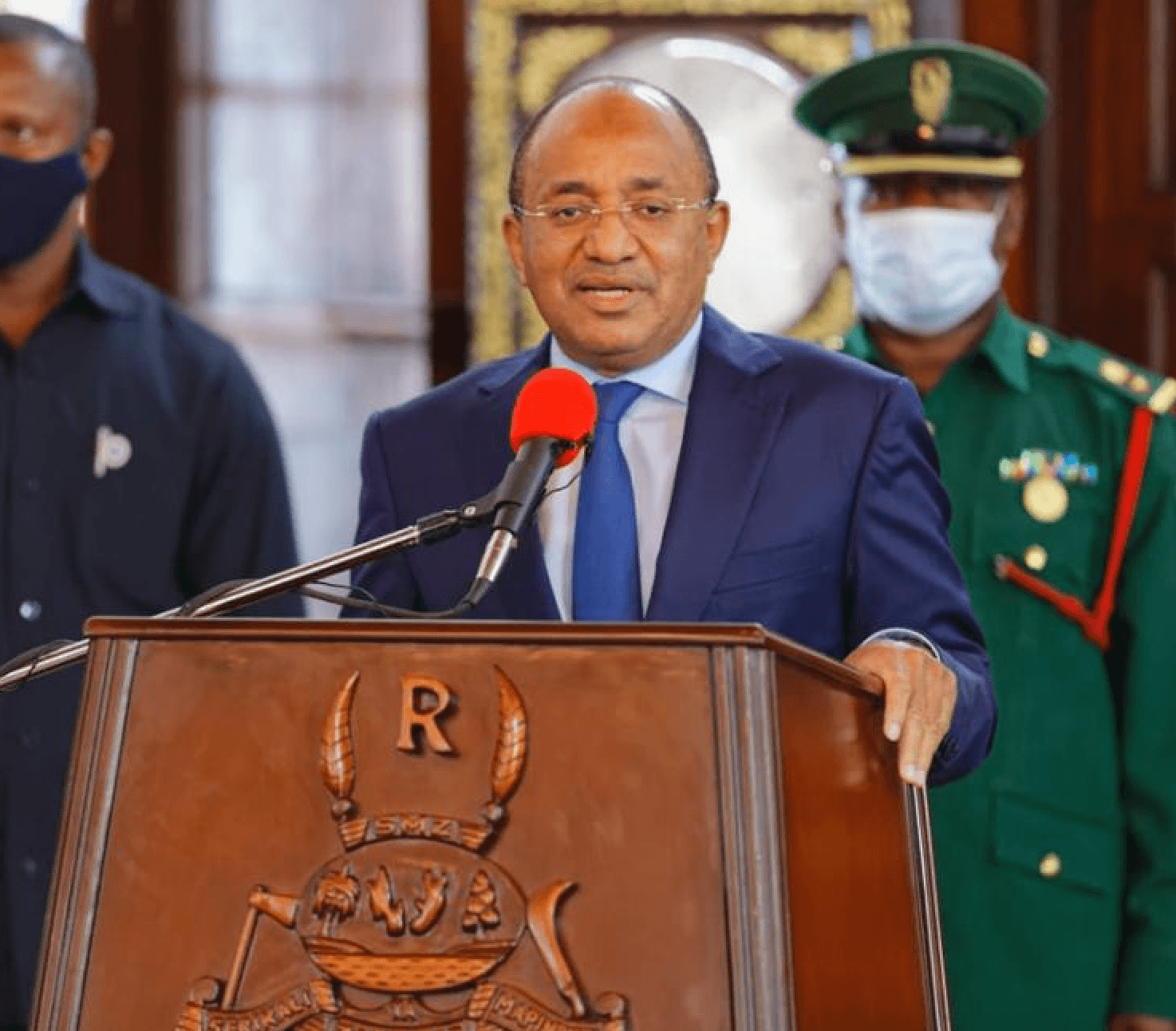
In a significant consolidation of East Africa’s economic trajectory, the Tanzanian government has launched a sweeping effort to dismantle the bureaucratic architecture that has historically stifled local enterprise. Speaking in Dar es Salaam on March 27, 2026, Zanzibar President Dr. Hussein Ali Mwinyi unveiled the progress of the second phase of the Business Environment and Investment Improvement Plan, known as MKUMBI II, signaling a definitive shift toward a more investor-friendly framework.
This initiative represents more than just incremental policy adjustment it is a fundamental reconfiguration of the relationship between the state and the private sector. By eliminating over 628 separate fees, levies, and taxes—many of which acted as punitive barriers to entry for small and medium-sized enterprises—the government is attempting to reduce the cost of doing business to levels unseen in the last decade. For observers in Nairobi and the wider East African Community, this development serves as a stark reminder of the intensifying competition for foreign direct investment and regional market dominance.
The core of the MKUMBI II initiative lies in its aggressive pruning of administrative redundancies. For years, investors operating within Tanzania faced a fragmented tax environment where overlapping mandates between regional and national authorities created excessive compliance burdens. The removal of 628 levies across sectors such as mining, agriculture, livestock, fisheries, and forestry is designed to unlock capital that was previously trapped in administrative overheads.
Furthermore, the review of 94 specific laws demonstrates a legislative commitment to clearing the pathway for commercial activity. This is not merely a quantitative exercise in reducing paperwork it is a structural attempt to harmonize the legal environment. According to government data, the reforms are aimed at addressing the following key pain points:
The Tanzanian push for a streamlined business environment carries direct implications for regional rivals. As Nairobi continues to navigate its own fiscal consolidation challenges and tax-related public discourse, Dar es Salaam is positioning itself as a low-friction alternative for manufacturers and logistics firms. The integration of electronic systems is the centerpiece of this strategy, intended to eliminate the human-to-human interface that often fosters rent-seeking and corruption.
Economic analysts at the University of Dar es Salaam note that if these reforms are executed with full transparency, they could see a contraction in the cost of operational compliance equivalent to several percentage points of operating revenue for local firms. For a startup in Nairobi or a manufacturing firm in Mombasa considering regional expansion, this volatility reduction in Tanzania is a signal that the cost-benefit analysis of entering the Tanzanian market is shifting in its favor.
President Mwinyi emphasized that the government is accelerating the integration of electronic systems across all public institutions. The vision is to create a seamless digital ecosystem where business registration, tax filing, and regulatory compliance occur in a single, unified interface. This digital-first approach is intended to enhance transparency, minimize human bias, and ultimately boost investor confidence.
However, the implementation of such vast reforms carries inherent risks. While the removal of 628 fees is a massive legislative victory, the tangible impact on the ground depends on the enforcement of these changes at the municipal and local government levels. Historically, local authorities in the region have occasionally resisted national directives to remove levies, as these fees often constitute a significant portion of their local revenue. The success of MKUMBI II will ultimately be measured not by the number of laws amended, but by the extent to which these changes translate into real savings for entrepreneurs at the frontline of the economy.
As the administration moves toward full implementation, the integration of the Presidential Tax Commission’s recommendations remains a critical watchpoint. The commitment made by President Samia Suluhu Hassan during the 13th Parliament opening in November 2025 provides the political capital required to push these reforms through. Yet, the road ahead requires continuous monitoring to ensure that new fees do not inadvertently emerge to fill the vacuum created by the ones removed. The market is watching closely, anticipating whether Tanzania can sustain this momentum to turn administrative efficiency into a permanent competitive advantage.
Keep the conversation in one place—threads here stay linked to the story and in the forums.
Sign in to start a discussion
Start a conversation about this story and keep it linked here.
Other hot threads
E-sports and Gaming Community in Kenya
Active 10 months ago
The Role of Technology in Modern Agriculture (AgriTech)
Active 10 months ago
Popular Recreational Activities Across Counties
Active 10 months ago
Investing in Youth Sports Development Programs
Active 10 months ago
Key figures and persons of interest featured in this article