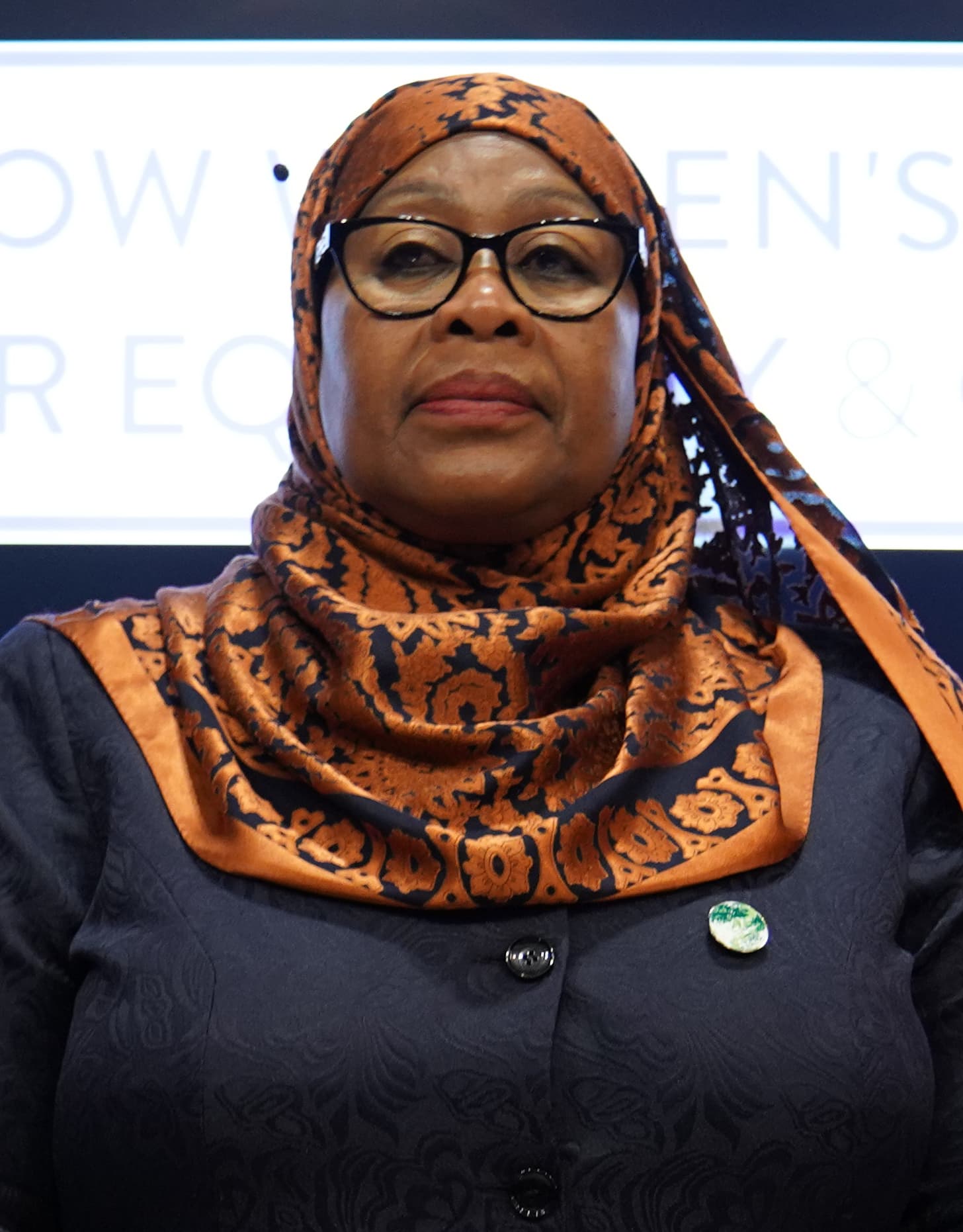
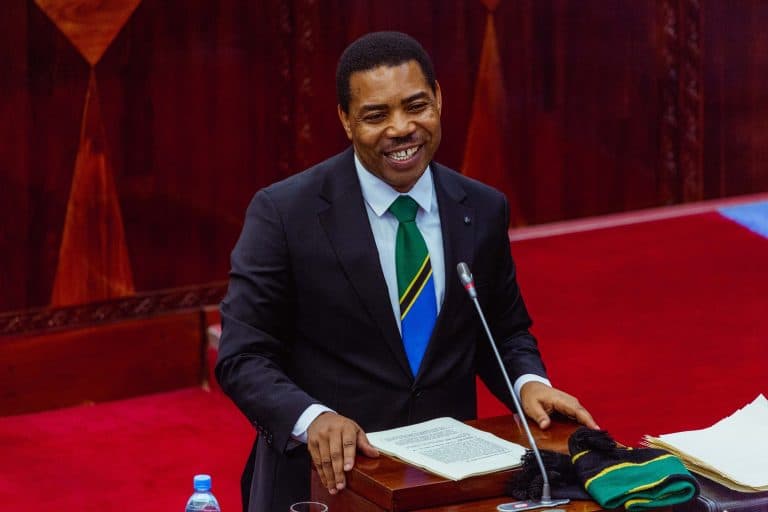
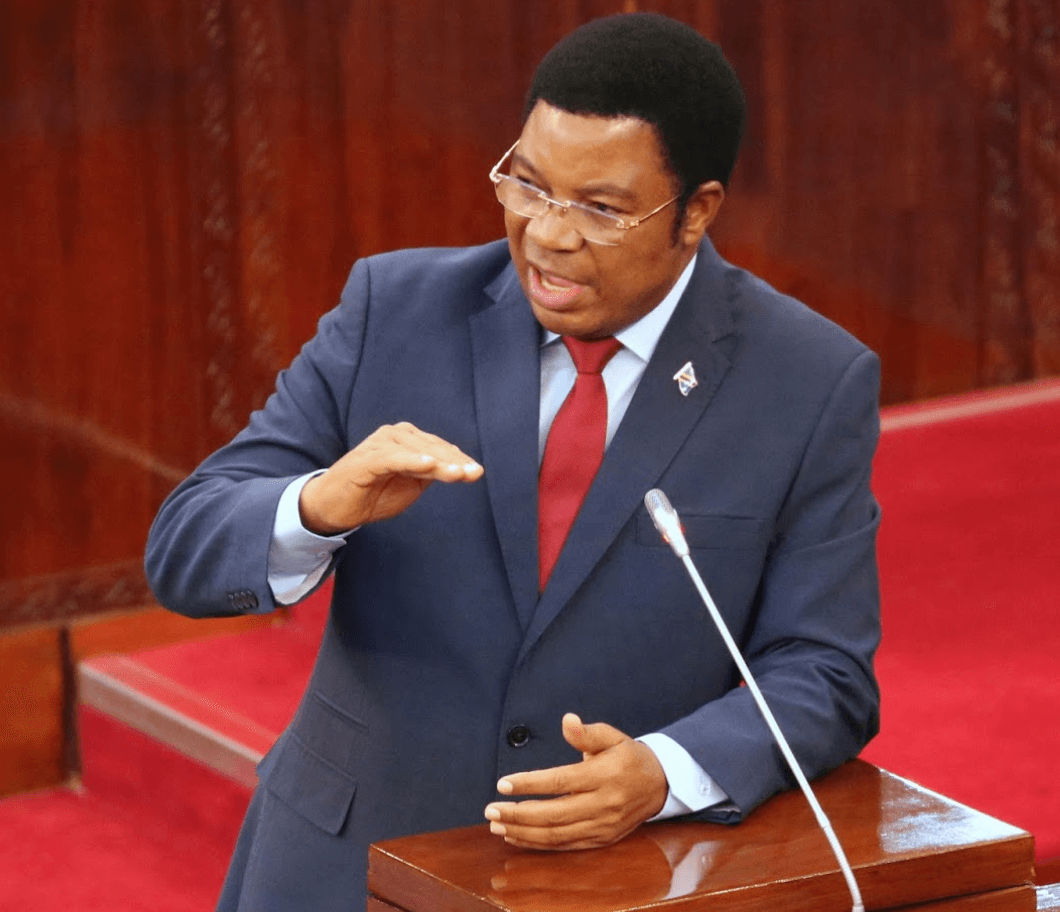
We're loading the full news article for you. This includes the article content, images, author information, and related articles.
President Samia Suluhu Hassan appoints economist Mwigulu Nchemba as Prime Minister following a disputed election condemned by observers, as Kenya confirms its citizens were killed and detained in the ensuing violence.
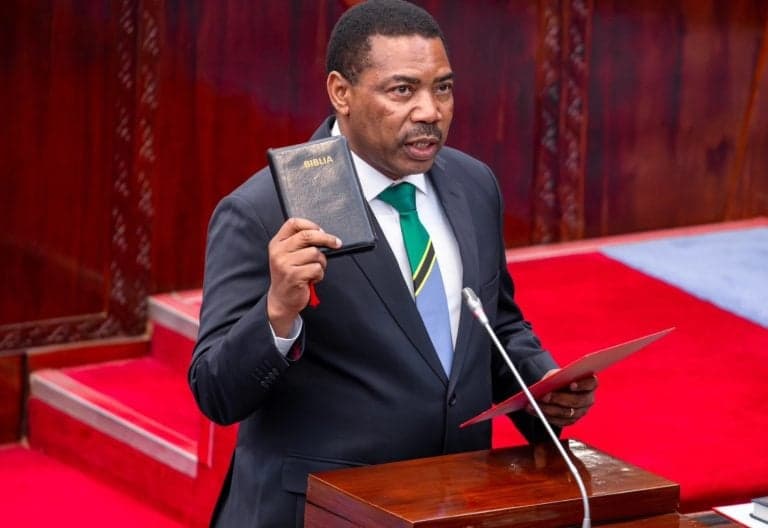
Tanzanian President Samia Suluhu Hassan appointed former Finance Minister Dr. Mwigulu Lameck Nchemba as the country's new Prime Minister on Thursday, November 13, 2025. The nomination was confirmed by a near-unanimous vote in the parliament in Dodoma, solidifying Dr. Nchemba, 50, as the 12th prime minister since independence, replacing Kassim Majaliwa who held the post for a decade. The appointment, announced just over two weeks after the contentious October 29 general election, places a seasoned economist and ruling Chama Cha Mapinduzi (CCM) party loyalist at the head of government as Tanzania navigates a period of intense political scrutiny and regional concern.
The political context for Dr. Nchemba's appointment is the deeply controversial 2025 general election. President Hassan was declared the winner with a landslide of nearly 98% of the vote, an outcome that opposition parties have rejected as fraudulent. The election was held after the country's main opposition party, Chadema, and its presidential candidate, Tundu Lissu, were barred from participating. The Independent National Electoral Commission (INEC) disqualified Chadema in April 2025 for failing to sign a mandatory code of conduct, a move the party refused to make without significant electoral reforms. Mr. Lissu had been arrested earlier that month and is facing treason charges, which he maintains are politically motivated.
International and regional observers have heavily criticized the electoral process. In a damning preliminary report, the African Union Election Observation Mission (AUEOM) stated the elections “did not comply with AU principles, normative frameworks, and other international obligations and standards for democratic elections.” The AU mission cited a restricted political environment, ballot stuffing, an internet shutdown, and violence as factors that compromised the poll's integrity. In stark contrast, the East African Community (EAC) observer mission issued a cautious preliminary statement that drew criticism for omitting any mention of the widespread irregularities and violence.
The post-election crackdown on protests has had severe and direct consequences for Kenyan citizens in Tanzania. On Wednesday, November 12, 2025, Kenya's Prime Cabinet Secretary and Cabinet Secretary for Foreign and Diaspora Affairs, Musalia Mudavadi, confirmed that two Kenyans were killed during the unrest and their bodies remain missing. One of the victims was identified as John Ogutu, a teacher in Dar es Salaam, who was reportedly shot dead on the evening of the election, October 29.
Mr. Mudavadi also confirmed that at least eleven Kenyans were arrested and detained in various police stations. While diplomatic efforts secured the release of eight individuals, three Kenyans remained in custody as of November 13. The Kenyan government has been engaging with Tanzanian authorities to ensure the safety of the estimated 250,000 Kenyans living and working in the country, following reports of them being targeted and scapegoated for the internal political crisis. In a joint statement on November 7, 2025, Amnesty International Kenya and other rights groups condemned claims by Tanzanian officials that foreigners were fueling the violence, warning such statements posed serious risks to Kenyans.
Dr. Nchemba's appointment is being closely watched in Nairobi for its potential impact on bilateral trade and regional integration. An economist with a PhD from the University of Dar es Salaam, he has served in multiple key portfolios, including Agriculture, Home Affairs, and most recently, Finance, where he was the architect of President Hassan's economic policies. His policy direction has been marked by a focus on bolstering domestic revenue and promoting local industry. In a September 2024 speech, Dr. Nchemba called on African governments to prioritize locally produced goods in public procurement, a stance that could signal a more protectionist and assertive negotiating position on trade terms with Kenya.
The recent instability has already disrupted regional commerce. The Kenya Association of Manufacturers (KAM) warned on November 4, 2025, that prolonged turmoil could threaten the KSh 67.2 billion in annual Kenyan exports to Tanzania. The weeklong internet shutdown alone was estimated to have cost the Tanzanian economy over $200 million, while the temporary closure of the Port of Dar es Salaam and the Central Corridor forced the diversion of cargo, affecting regional supply chains. While diplomatic ties have generally improved under President Hassan, Dr. Nchemba's economic patriotism, combined with the political fallout from the election, presents a complex new chapter for East Africa's two largest economies.
Keep the conversation in one place—threads here stay linked to the story and in the forums.
Sign in to start a discussion
Start a conversation about this story and keep it linked here.
Other hot threads
E-sports and Gaming Community in Kenya
Active 9 months ago
The Role of Technology in Modern Agriculture (AgriTech)
Active 9 months ago
Popular Recreational Activities Across Counties
Active 9 months ago
Investing in Youth Sports Development Programs
Active 9 months ago
Key figures and persons of interest featured in this article