We're loading the full news article for you. This includes the article content, images, author information, and related articles.
The Tanzanian government is aggressively working to attract both local and Foreign Direct Investment (FDI) into its sugar industry to close a massive supply shortage.
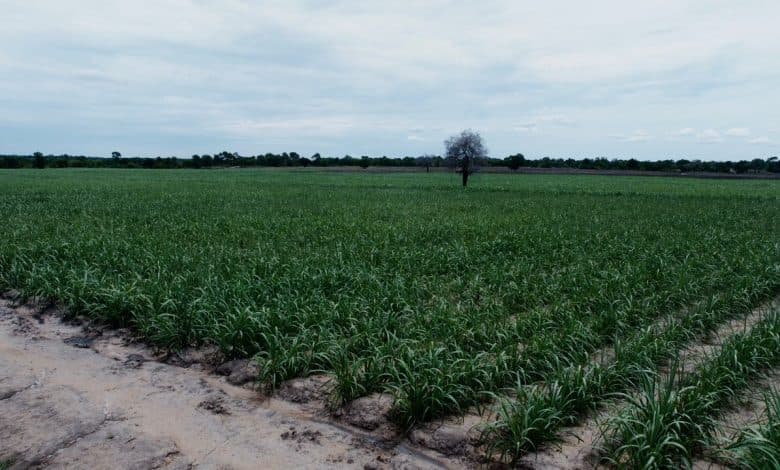
The Tanzanian government is aggressively working to attract both local and Foreign Direct Investment (FDI) into its sugar industry to permanently close a massive, long-existing 700,000-tonne supply shortage.
A severe structural deficit in basic commodities is forcing bold economic interventions across the region. Transforming a historic shortfall into an investment opportunity requires meticulous policy execution and immense international capital.
Speaking during a high-profile assessment tour in the Morogoro Region, Prof. Kitila Mkumbo, the Minister in the President's Office for Planning and Investment, unequivocally outlined the state's ambitious strategy. By actively courting major private sector players like the Agro Tech company, Tanzania aims to completely overhaul its agricultural output. The overarching goal is deeply embedded in VISION 2050, an economic blueprint designed to elevate the nation into Africa's top ten elite food producers. Securing this objective hinges entirely on heavily incentivizing private enterprise to cultivate vast tracts of underutilized land.
The sugar sector in East Africa has perennially been plagued by gross inefficiencies, unpredictable weather patterns, and severe regulatory bottlenecks. For Tanzania to bridge a 700,000-tonne annual gap, the government must guarantee a flawless enabling environment. This involves establishing absolute land tenure security, streamlining tax administration, and fiercely protecting local infant industries from cheap, dumped imports. TISEZA's strict warning to Investment Service Providers to uphold unwavering professionalism further underscores the state's commitment to eliminating bureaucratic friction.
For Kenya, Tanzania's aggressive sugar expansion is a phenomenal double-edged sword. Kenya's own domestic sugar industry—historically anchored by struggling giants like Mumias and Nzoia Sugar—has faced catastrophic declines. If Tanzania successfully ramps up its production to surplus levels, the heavily integrated East African Community (EAC) market will inevitably be flooded with highly competitive, locally produced Tanzanian sugar. This dynamic will force Kenyan millers to either drastically improve their efficiency or risk total irrelevance.
The financial scale of these agricultural investments is absolutely immense. Establishing a modern, fully integrated sugar estate, complete with large-scale milling and refining infrastructure, demands capital injections easily surpassing $200 million (approx. KES 26 billion). When Moody's recently affirmed Tanzania's sovereign credit rating at B1 with a stable outlook, it signaled to international creditors that the country's fiscal environment is ripe for exactly this type of heavy, long-term industrial commitment. Stable borrowing costs ensure these mega-projects remain financially viable.
Furthermore, eliminating the massive sugar deficit will radically alter the regional balance of trade. Tanzania currently expends vital foreign exchange reserves importing sugar. By producing it locally, the country stabilizes its currency and aggressively drives job creation in rural counties. The robust push by President Samia Suluhu Hassan's administration to deeply integrate FDI into core agricultural sectors represents a masterclass in pragmatic economic diplomacy.
"In the coming few years, the arrival of these major investors will definitively narrow down the sugar gap and secure our absolute food sovereignty," declared Prof. Mkumbo to Morogoro residents.
Keep the conversation in one place—threads here stay linked to the story and in the forums.
Sign in to start a discussion
Start a conversation about this story and keep it linked here.
Other hot threads
E-sports and Gaming Community in Kenya
Active 9 months ago
The Role of Technology in Modern Agriculture (AgriTech)
Active 9 months ago
Popular Recreational Activities Across Counties
Active 9 months ago
Investing in Youth Sports Development Programs
Active 9 months ago
Key figures and persons of interest featured in this article