We're loading the full news article for you. This includes the article content, images, author information, and related articles.
Despite the substantial economic contribution of agriculture to the Kenyan economy, significant Environmental, Social, and Governance (ESG) disparities continue to plague workers in the agribusiness sector.

Despite the substantial economic contribution of agriculture to the Kenyan economy, significant Environmental, Social, and Governance (ESG) disparities continue to plague workers in the agribusiness sector.
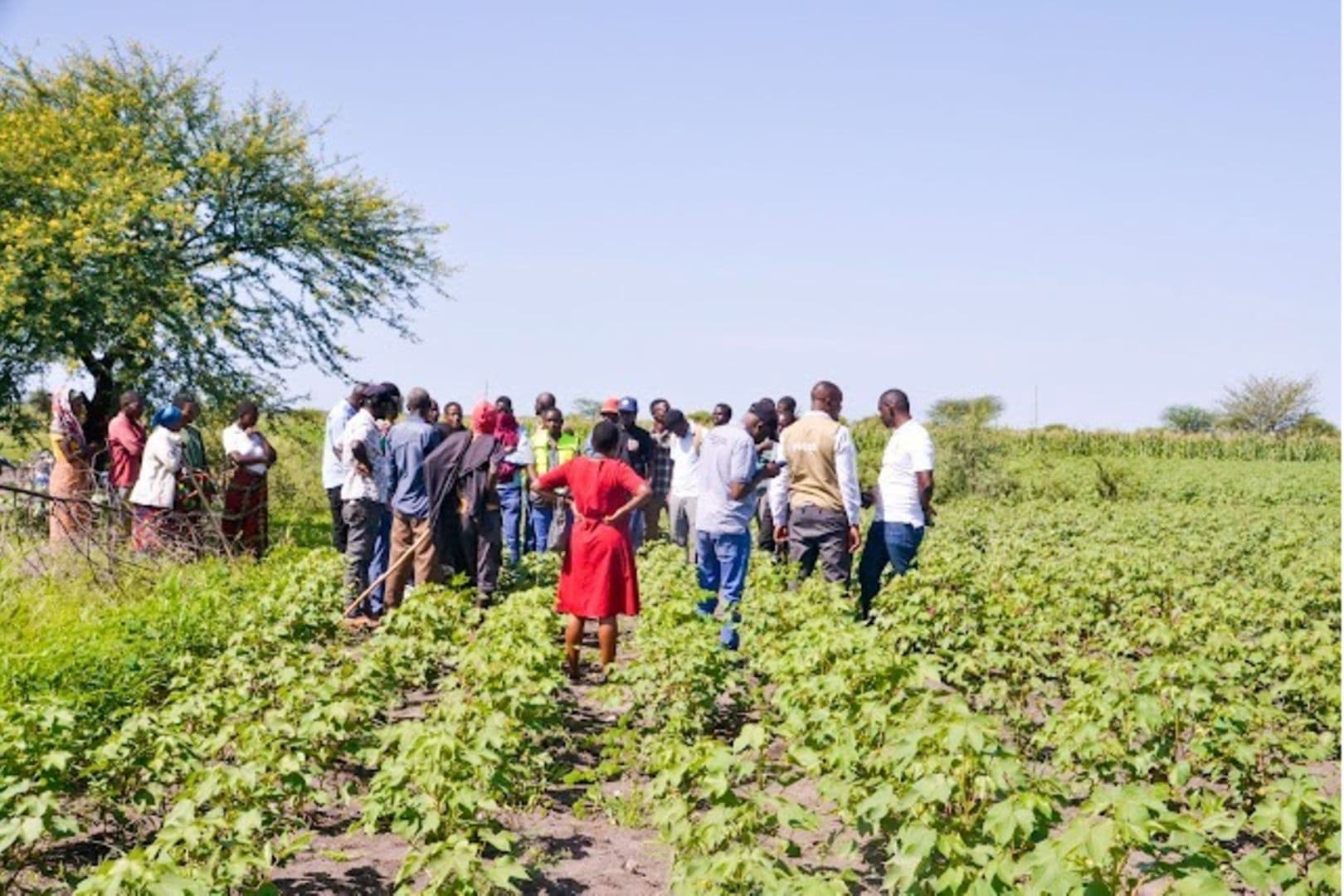
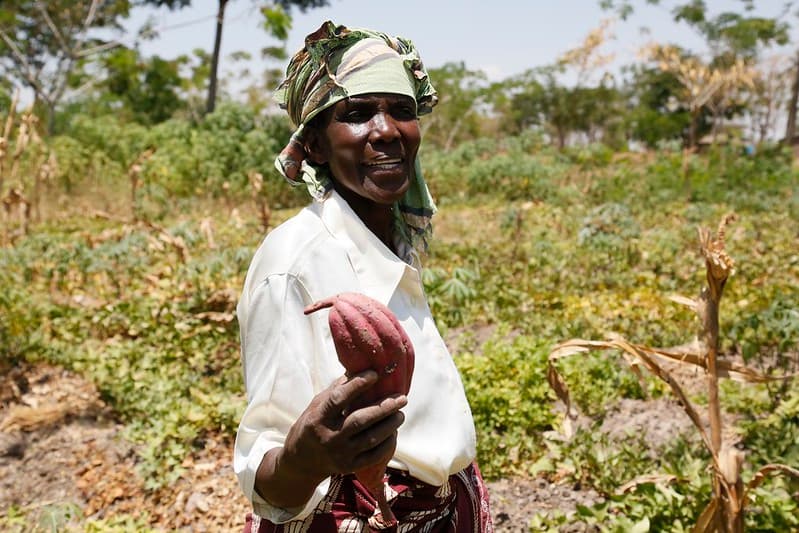
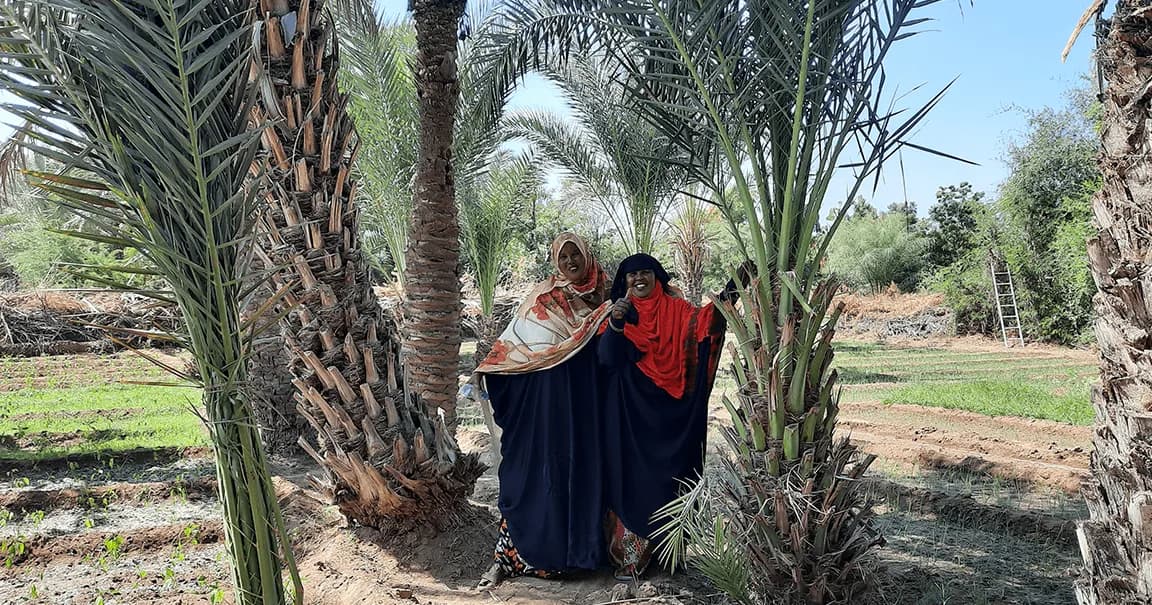
Kenya's agricultural sector is universally recognised as the backbone of its economy. According to the Kenya National Bureau of Statistics (KNBS), the industry contributes approximately 22 percent of the national Gross Domestic Product (GDP). It remains the primary employer for the vast majority of rural households across the country.
However, beneath the surface of this economic powerhouse lies a growing crisis. Workers on large-scale farms and plantations frequently endure poor working conditions, low wages, and inadequate social protections. These ongoing issues highlight a severe gap in the enforcement and implementation of ESG frameworks within the sector.
While many multinational agribusiness firms operating in Kenya boast comprehensive ESG policies on paper, the reality on the ground often tells a different story. Recent investigations and reports have pointed to systemic failures in protecting the rights and welfare of agricultural labourers, particularly those on temporary contracts.
Major companies such as Kakuzi and Del Monte have historically faced scrutiny over their labour practices and community relations. Although both companies have pledged to improve their ESG compliance and have made notable structural changes, critics argue that the pace of reform is insufficient to protect the most vulnerable workers.
The persistent ESG gaps in Kenya's agribusiness demand immediate and robust intervention from both the government and civil society. Experts argue that voluntary corporate disclosures are no longer adequate to ensure the protection of workers. When companies self-regulate, the financial incentive to cut corners often overrides the ethical mandate to protect human capital.
There is a pressing need for the government to strengthen labour laws and enhance the capacity of regulatory bodies to monitor and enforce compliance. Furthermore, international buyers and investors must apply greater pressure on Kenyan agribusinesses to adhere strictly to global ESG standards.
The push for sustainable farming cannot stop at environmental conservation; it must fundamentally encompass the human element. For Kenya to maintain its competitive edge in the global agricultural export market, ensuring the dignity and safety of its workforce is a non-negotiable imperative. "The true measure of a sustainable agribusiness sector is not found in corporate reports, but in the lived experiences of its workers," noted a regional labour rights advocate.
Keep the conversation in one place—threads here stay linked to the story and in the forums.
Sign in to start a discussion
Start a conversation about this story and keep it linked here.
Other hot threads
E-sports and Gaming Community in Kenya
Active 9 months ago
The Role of Technology in Modern Agriculture (AgriTech)
Active 9 months ago
Popular Recreational Activities Across Counties
Active 9 months ago
Investing in Youth Sports Development Programs
Active 9 months ago