We're loading the full news article for you. This includes the article content, images, author information, and related articles.
The Tanzanian government has launched a massive drive to attract Foreign Direct Investment into the sugar sector, aiming to close a 700,000-tonne supply gap.

The Tanzanian government has launched a massive, coordinated drive to attract massive Foreign Direct Investment into its sugar sector, strategically aiming to permanently close a staggering 700,000-tonne national supply gap.
In a bold, highly strategic economic maneuver, Tanzania is aggressively positioning itself to become a dominant agricultural powerhouse within the East African Community. Recognizing a massive, crippling shortfall in domestic sugar production, the government is currently rolling out the red carpet for both robust local capital and massive Foreign Direct Investment (FDI).
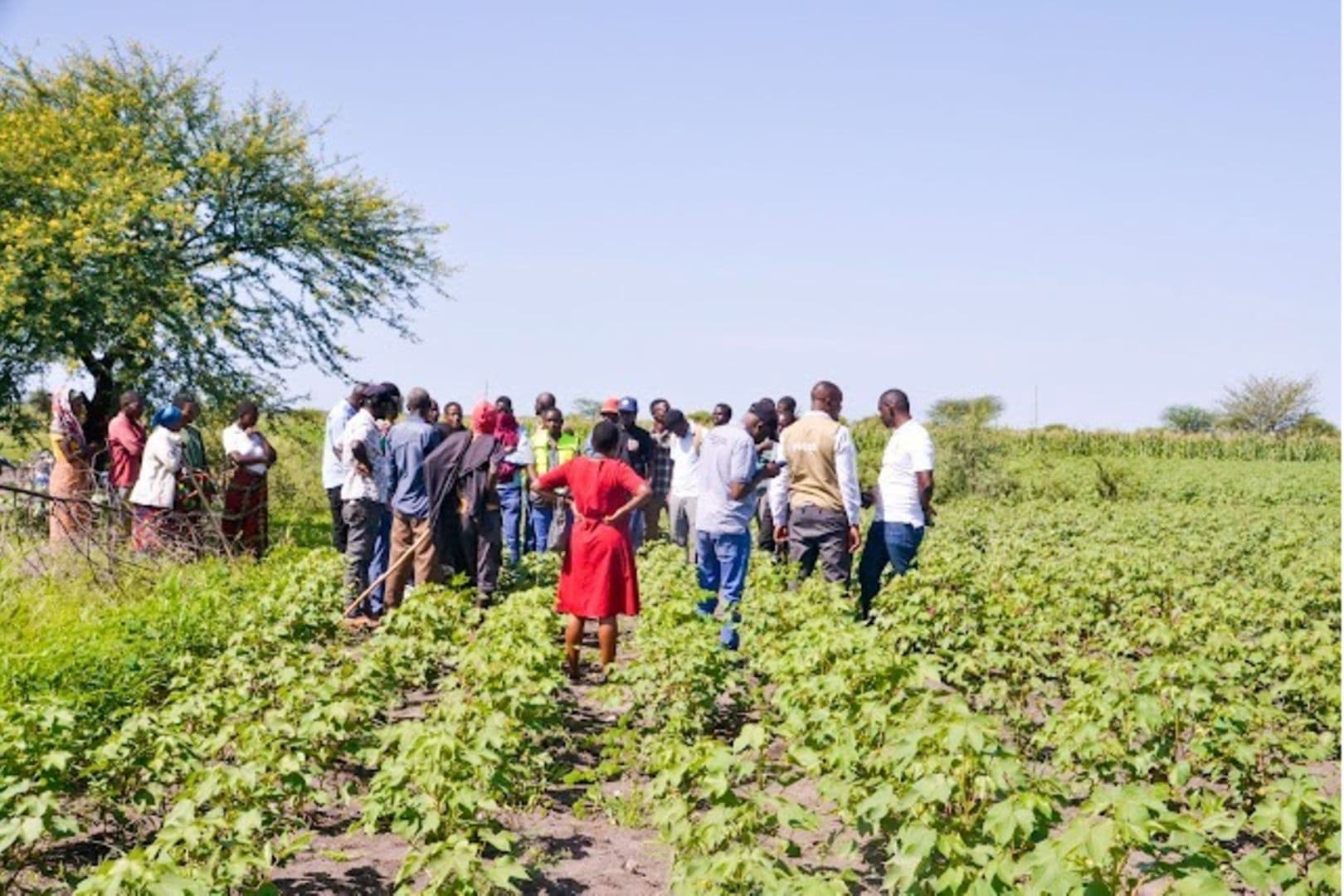
The Minister for Planning and Investment, Prof Kitila Mkumbo, explicitly outlined this incredibly ambitious agenda during a recent high-profile tour of the Morogoro region. By aggressively courting major agricultural conglomerates, Dodoma intends to radically transform its sprawling, fertile landscapes into highly productive, industrial-scale sugar plantations.
Tanzania currently wrestles with a massive annual sugar demand of approximately 700,000 tonnes, a figure that far outstrips its current, highly constrained processing capabilities. The reliance on expensive imports drains vital foreign exchange reserves and frequently exposes local consumers to brutal, unpredictable price shocks.
To fundamentally reverse this dynamic, the state is actively providing an incredibly enabling, highly lucrative environment for private sector intervention. The recent acquisition of massive tracts of land in Morogoro by Agro Tech company is cited by the government as a prime, highly successful example of this proactive, investment-friendly policy.
Tanzania's aggressive, laser-focused push towards total sugar self-sufficiency holds massive, highly disruptive implications for the broader East African market, particularly for its northern neighbor, Kenya.
Prof Mkumbo noted that according to Vision 2050, a staggering 70 percent of the projected massive GDP growth is expected to be entirely driven by the private sector. Consequently, absolutely securing these massive agricultural investments is not merely an option; it is an absolute macroeconomic necessity.
By heavily prioritising vast infrastructural support and actively cutting bureaucratic red tape, Tanzania is providing a highly compelling, executable blueprint for agricultural industrialisation. As major global investors increasingly seek fertile, politically stable markets, Dodoma's proactive, highly aggressive stance is clearly yielding massive dividends.
The successful, total overhaul of the Tanzanian sugar industry could fundamentally alter the economic balance of power within the EAC, forcing neighbouring states to either rapidly modernize their own failing agricultural sectors or face devastating, permanent economic irrelevance.
"The coming of these massive investors will definitely narrow down the sugar gap... we have always been providing an incredibly enabling environment," Minister Mkumbo confidently asserted to local residents.
Keep the conversation in one place—threads here stay linked to the story and in the forums.
Sign in to start a discussion
Start a conversation about this story and keep it linked here.
Other hot threads
E-sports and Gaming Community in Kenya
Active 9 months ago
The Role of Technology in Modern Agriculture (AgriTech)
Active 9 months ago
Popular Recreational Activities Across Counties
Active 9 months ago
Investing in Youth Sports Development Programs
Active 9 months ago