We're loading the full news article for you. This includes the article content, images, author information, and related articles.
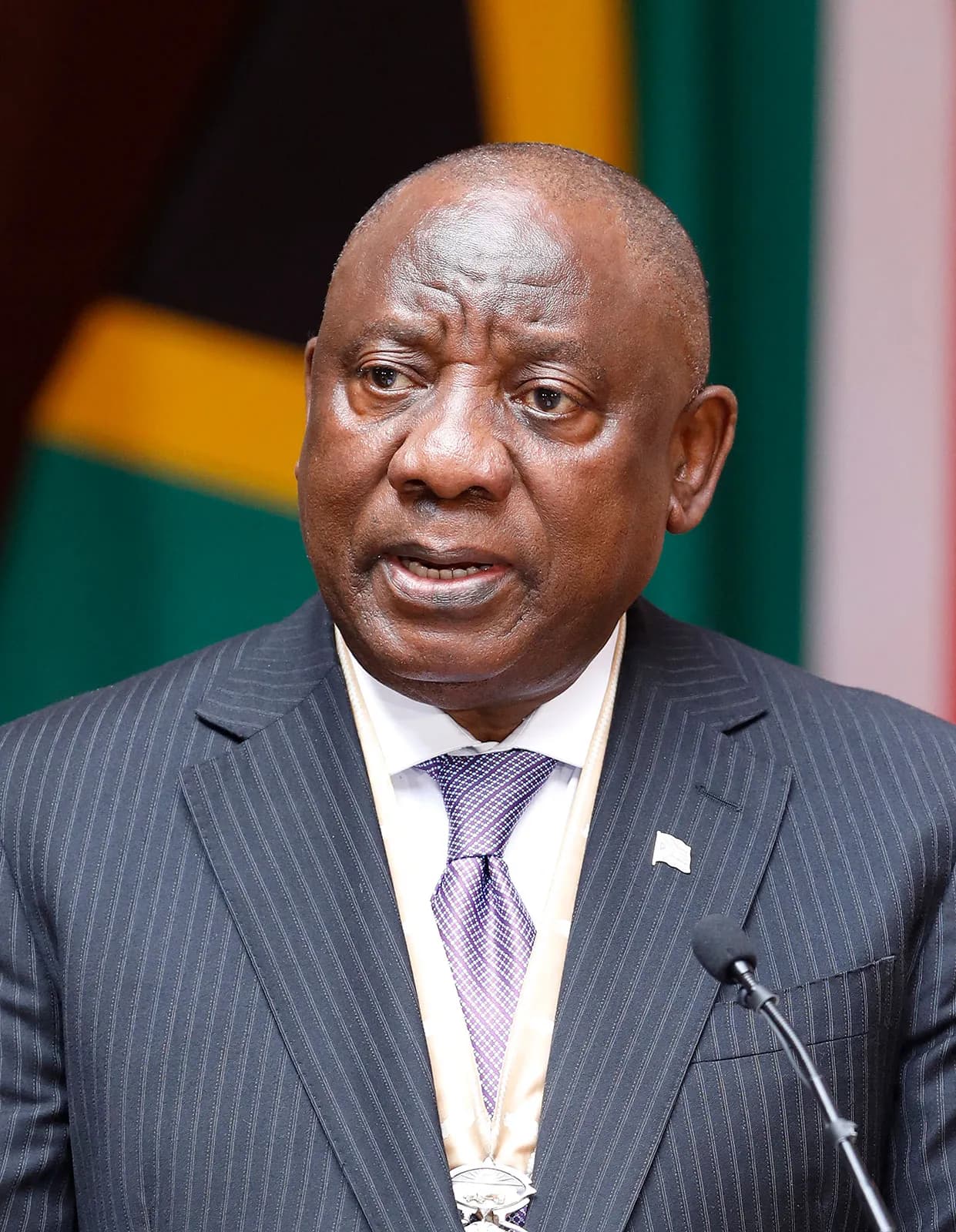
President Ramaphosa leads the dignified return of Khoi-San ancestral remains in Steinkopf, confronting a dark colonial legacy and restoring cultural heritage.

The red soil of Steinkopf, in the Northern Cape, holds a profound, sorrowful weight this Monday morning as President Cyril Ramaphosa presides over the reburial of Khoi-San ancestral remains. The ceremony at the Kinderlê Monument is more than a final act of interment it is a profound reclamation of dignity for a people whose bodies were treated as scientific specimens during the darkest chapters of colonial rule.
This event marks a critical turning point in South Africa’s ongoing struggle to confront its colonial past, specifically the era when indigenous bodies were looted, exported, and stored in European museums as dehumanized curiosities. For the Khoi-San communities of the Northern Cape, today is the culmination of decades of advocacy, emotional labor, and complex diplomatic negotiations aimed at bringing their kin home to their rightful resting place.
The history of these remains is inextricably linked to the pseudoscientific practices of 19th and early 20th-century anthropology. During this period, colonial powers and scientific institutions actively sought the skeletal remains of Khoi-San individuals, driven by racist ideologies that aimed to categorize humanity into hierarchies. These remains were shipped to museums and universities in Europe and North America to serve as objects of study, effectively stripping the deceased of their humanity and reducing them to data points for craniology and anthropometry.
For over a century, these individuals sat in boxes in sterile laboratories, their identities erased and their communities severed from their lineage. The practice was not an anomaly but a systemic feature of the colonial project, which weaponized science to justify territorial expansion and systemic oppression. Bringing these remains back to Steinkopf—a town with deep historical resonance for the Nama and Khoi people—serves as a tangible act of restorative justice, acknowledging the violence inflicted upon these individuals and the intergenerational trauma their absence caused.
The repatriation process has been fraught with challenges. It required navigating complex international laws regarding the ownership of human remains, overcoming bureaucratic inertia in foreign cultural institutions, and securing funding for the delicate logistics of transport. It is a process that has been mirrored globally, from the return of Indigenous American remains to the restitution of African artifacts from European capitals.
Critics of the pace of this process argue that state efforts have historically been too slow, placing the burden of advocacy on mourning families and community activists. However, the presence of the President at the Kinderlê Monument signals a shift. It elevates the repatriation from a private community grievance to a matter of national importance. It forces the state to engage directly with the Khoi-San struggle for recognition, a struggle that extends far beyond the burial of remains to include issues of land rights, economic marginalization, and linguistic survival.
The Khoi-San people, often cited as the earliest inhabitants of Southern Africa, continue to face systemic challenges in modern South Africa. They struggle with high rates of poverty, limited access to formal education, and a political system that has often overlooked their specific cultural requirements. Historians and sociologists argue that the return of these ancestral remains is not merely about closing the chapter on the 19th century, but about affirming the Khoi-San’s rightful place as foundational stakeholders in the South African project.
Professor Nomusa Mkhize of the University of Cape Town notes that when a nation refuses to bury its dead with dignity, it cannot fully bury its history of violence. The reburial ceremony is therefore a necessary ritual of national healing. By acknowledging the trauma of colonial dehumanization, the state attempts to rewrite the narrative, positioning the Khoi-San as central figures in the national consciousness rather than remnants of a fading past.
This reburial occurs against a backdrop of increasing global pressure for museums to divest themselves of colonial spoils. From the Benin Bronzes in Nigeria to the repatriation of First Nations remains in Canada, the movement to return what was taken is gaining unstoppable momentum. The international community is watching South Africa, which has emerged as a leader in this area, demonstrating how post-colonial states can leverage diplomatic and legal channels to reclaim their heritage.
However, the ceremony in Steinkopf leaves lingering questions. Will this symbolic act lead to substantive policy changes for Khoi-San communities? Can the restitution of physical remains facilitate the restitution of ancestral lands and economic opportunities? These questions remain at the heart of the national conversation. For now, the focus is on the soil of the Northern Cape, where, after more than a century of displacement, the ancestors are finally home.
As the final prayers are said and the coffins lowered, the silence in Steinkopf marks the end of a long, arduous journey. It is a moment of profound closure for the families who have waited generations for this day, but it is also a starting point for a broader national conversation about what it truly means to decolonize a country in the twenty-first century.
Keep the conversation in one place—threads here stay linked to the story and in the forums.
Sign in to start a discussion
Start a conversation about this story and keep it linked here.
Other hot threads
E-sports and Gaming Community in Kenya
Active 10 months ago
The Role of Technology in Modern Agriculture (AgriTech)
Active 10 months ago
Popular Recreational Activities Across Counties
Active 10 months ago
Investing in Youth Sports Development Programs
Active 10 months ago
Key figures and persons of interest featured in this article