We're loading the full news article for you. This includes the article content, images, author information, and related articles.
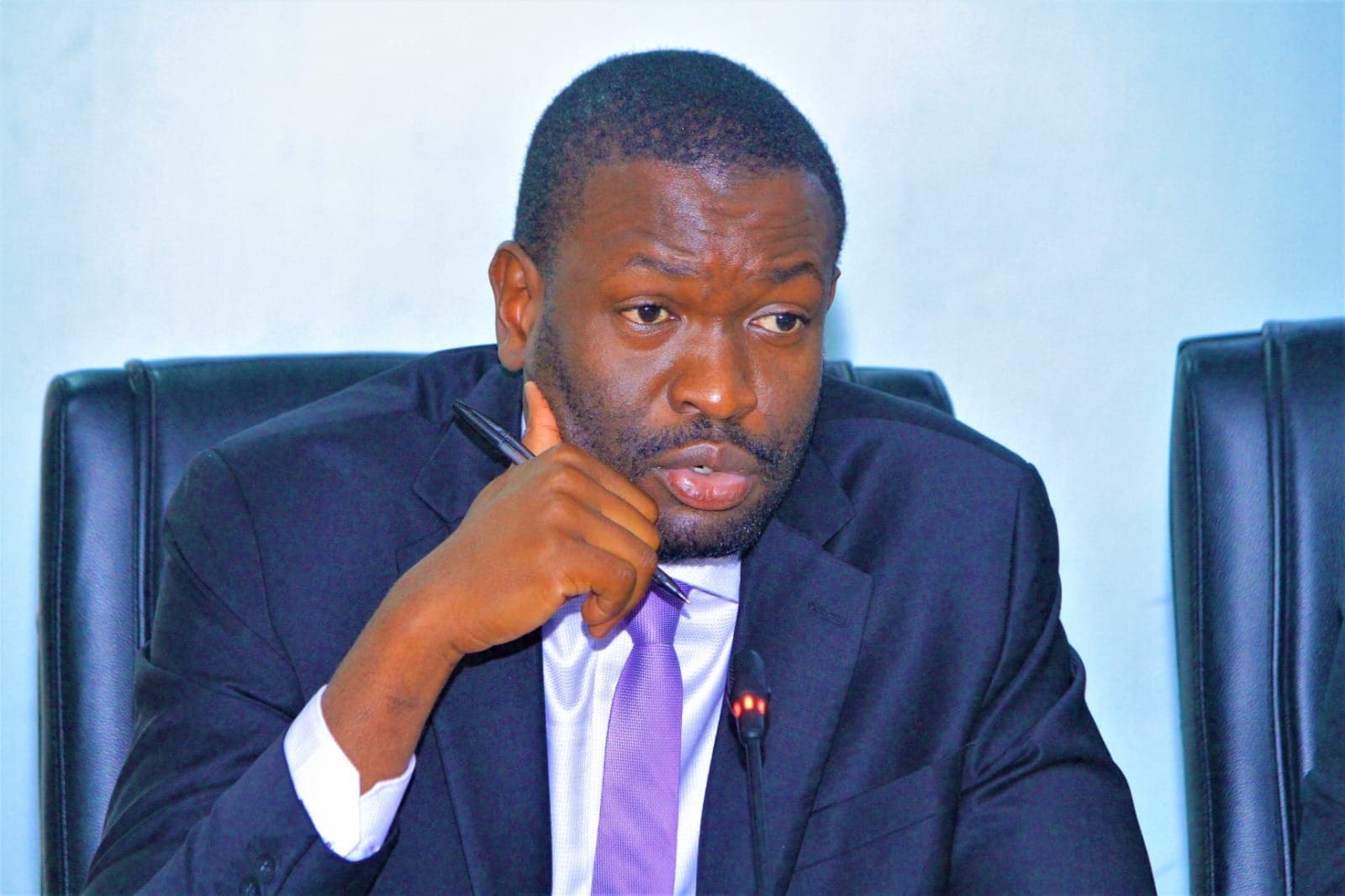
Nairobi Senator Edwin Sifuna has escalated his political challenge to the established ODM hierarchy, unveiling a structured digital and grassroots engagement framework for his Linda Mwananchi movement.

Nairobi Senator Edwin Sifuna has escalated his political challenge to the established ODM hierarchy, unveiling a structured digital and grassroots engagement framework for his "Linda Mwananchi" movement. The development signals a departure from sporadic rallies toward a more systematic consolidation of support, as the faction prepares to challenge the party’s current trajectory under the broad-based government arrangement.
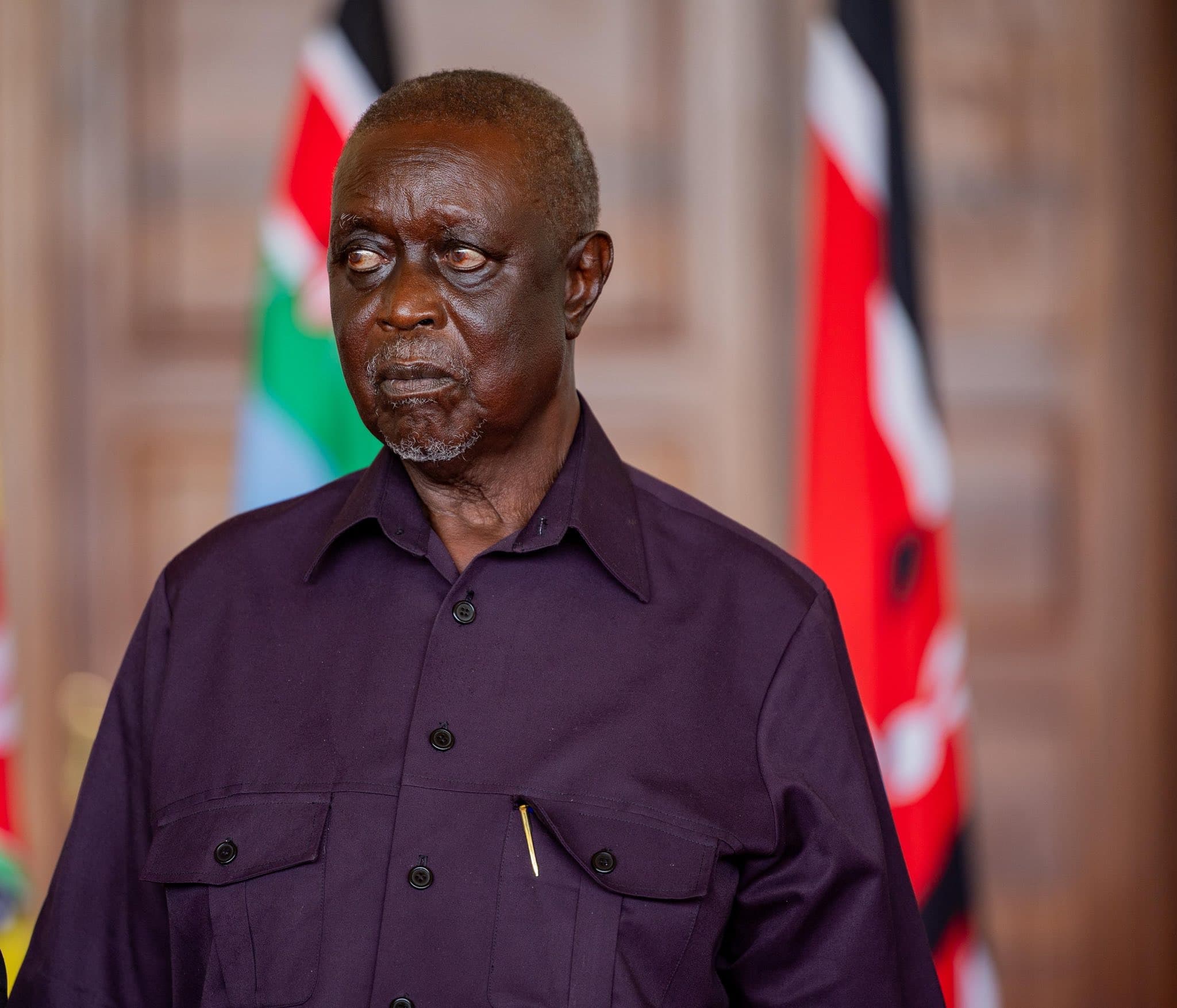
The move comes at a precarious moment for the Orange Democratic Movement, which currently finds itself split between the reformist "Linda Mwananchi" faction—comprised of younger leaders like Senator Sifuna, Embakasi East MP Babu Owino, and Vihiga Senator Godfrey Osotsi—and the "Linda Ground" faction led by Dr. Oburu Oginga. As the country navigates a complex fiscal year with a KES 4.74 trillion national expenditure plan, the Linda Mwananchi movement is positioning itself as the authentic voice of the common citizen, or "Mwananchi," against what it describes as an elite accommodation with the administration of President William Ruto.
For months, the Linda Mwananchi movement existed primarily as a loose coalition, marked by rallies in Busia, Kajiado, and Kakamega that state authorities frequently sought to disperse. However, the recent launch of a formal digital registration portal and the publication of an independent assessment report, titled "The Ten-Point Lies," indicates that the leadership is transitioning toward data-driven mobilization. By cataloging the perceived failures of the agreement between the late opposition leader Raila Odinga and President Ruto, the faction aims to transform intangible grievances into a verified record of policy failures.
The engagement platforms launched this week focus on:
The movement’s growth is inextricably linked to the economic realities facing Kenyan households. While the Budget and Appropriations Committee projects a 5.3 percent economic growth rate for 2026, the cost of living remains a volatile factor. Linda Mwananchi’s leadership argues that the broad-based political deal—which they claim lacks transparency—has stripped the opposition of its ability to hold the government accountable for fiscal consolidation efforts, particularly the KES 1.17 trillion fiscal deficit target for the 2026/27 financial year.
Senator Sifuna has framed the movement as a necessary correction, arguing that the formal opposition leadership has been co-opted. By shifting to structured engagement platforms, the faction intends to provide an alternative policy roadmap that contrasts with the administration’s focus on the Bottom-Up Economic Transformation Agenda. Critics within the party, however, view this as a destabilizing force. Trans Nzoia Governor George Natembeya has publicly warned that such fractures risk ceding the 2027 electoral landscape to the ruling United Democratic Alliance (UDA) by diluting the opposition vote.
Political analysts observe that Sifuna’s strategy mirrors the early mobilization tactics of successful historical movements, where distinct ideological branding precedes electoral coalitions. Yet, the challenge lies in longevity. A movement that relies heavily on the energetic pushback against a singular pact risks losing steam if it cannot articulate a long-term vision beyond internal party rebellion. The decision to take a hiatus after the recent Kakamega rally, only to return with structured digital platforms, suggests that the leadership is mindful of the need for sustained, rather than episodic, political presence.
Furthermore, the movement faces legal and procedural hurdles. The faction recently had to intervene to challenge the registration of a new political party attempting to co-opt the "Linda Mwananchi" name—a move Sifuna’s legal team characterized as an attempt to defraud the public. This highlights the vulnerability of a movement that has built brand equity on a slogan rather than a registered entity. Whether this digital mobilization will translate into the electoral machinery required for 2027 remains the central question.
As the Linda Mwananchi movement deepens its roots, the focus now turns to whether it can broaden its appeal beyond its current ODM-leaning base. By focusing on issues such as electoral commission reconstitution and forensic debt audits, Sifuna and his cohorts are attempting to create a "united alternative government" platform. For the average Kenyan, the success of this movement will not be measured by the size of its rallies, but by whether these new engagement platforms can translate into tangible influence over the national policy conversation as the 2027 election cycle begins in earnest.
The coming months will demonstrate if the "Linda Mwananchi" banner can survive the transition from an ideological protest faction into a coherent, national political force, or if it will be absorbed by the gravitational pull of the electoral alliances it currently seeks to disrupt.
Keep the conversation in one place—threads here stay linked to the story and in the forums.
Sign in to start a discussion
Start a conversation about this story and keep it linked here.
Other hot threads
E-sports and Gaming Community in Kenya
Active 9 months ago
The Role of Technology in Modern Agriculture (AgriTech)
Active 9 months ago
Popular Recreational Activities Across Counties
Active 9 months ago
Investing in Youth Sports Development Programs
Active 9 months ago
Key figures and persons of interest featured in this article