We're loading the full news article for you. This includes the article content, images, author information, and related articles.
A look at the rising use of the death penalty in specific US states and how it clashes with global human rights norms and trends toward abolition.

The silence of the death chamber in Alabama is increasingly punctuated not by the cessation of state violence, but by a chilling legislative revival. Across several American states, lawmakers are actively dismantling the constraints that have defined capital punishment for decades, pushing the boundaries of execution methods and expanding the list of crimes eligible for the ultimate penalty.
This divergence between a global movement toward abolition and a localized American resurgence represents one of the most volatile fractures in modern human rights discourse. While the international community consistently moves to restrict or eliminate state-sanctioned killing, a handful of US governors are staking political capital on a return to punitive rigor, forcing a reckoning with both the constitutional morality of the practice and the reliability of the judicial systems administering it.
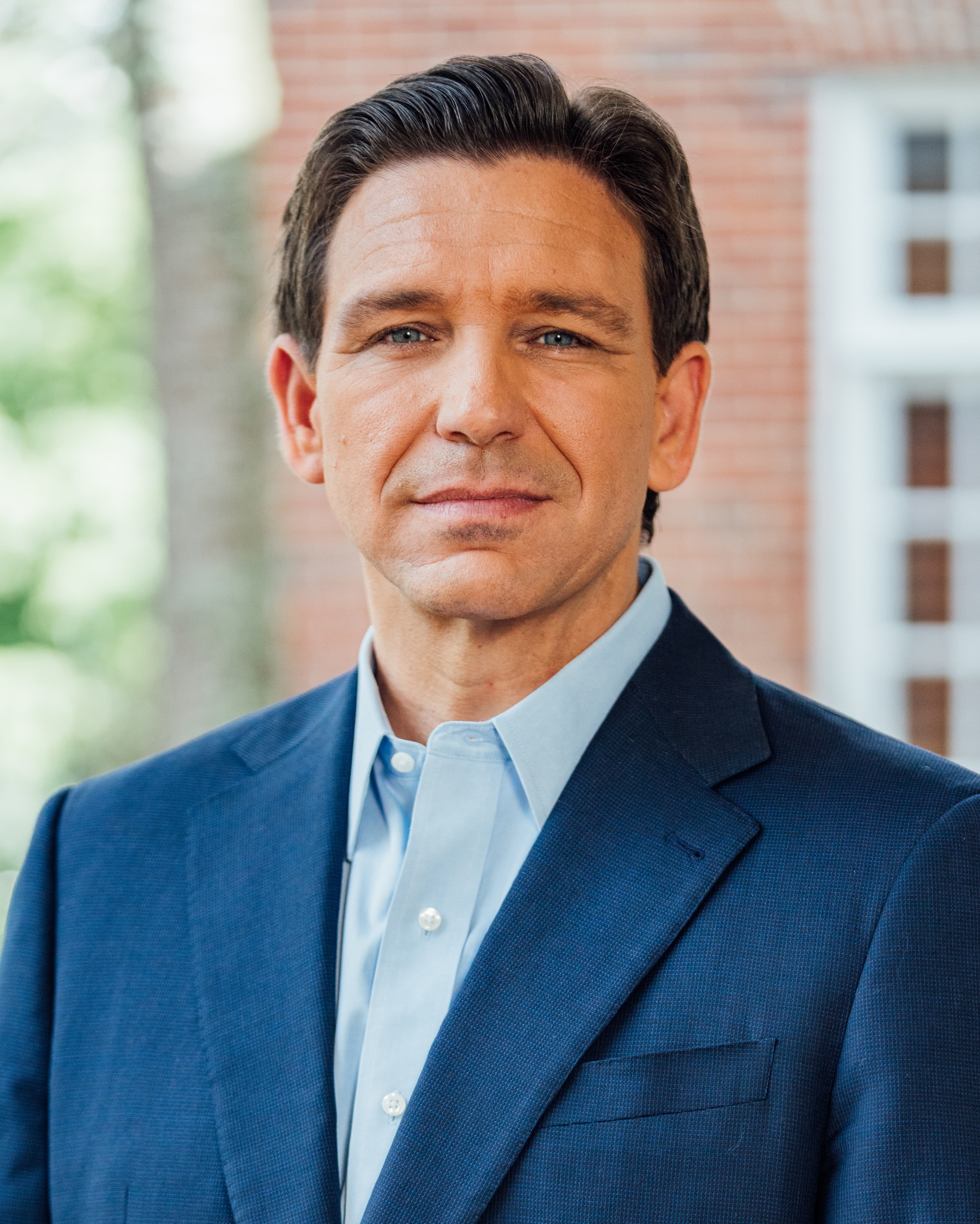
In jurisdictions like Florida and Alabama, the legislative strategy has shifted from administrative caution to aggressive implementation. Under the administration of Governor Ron DeSantis, Florida has lowered the threshold for death sentences, allowing for non-unanimous jury recommendations. This moves the state further from the standard of deliberation that the Supreme Court of the United States has traditionally favored in capital cases.
Alabama, under Governor Kay Ivey, has pioneered the use of nitrogen hypoxia—a method that has drawn intense scrutiny from the United Nations and international medical bodies. This experimentation with new execution protocols signifies a departure from the traditional search for humane alternatives, signaling instead a commitment to executing the sentence regardless of international disapproval or potential procedural irregularities.
For the Kenyan observer, the American debate offers a stark contrast. Kenya, while retaining the death penalty on its statutes, has not executed a prisoner since 1987. The 2017 landmark Supreme Court ruling in the case of Francis Karioko Muruatetu and Another v. Republic declared the mandatory death penalty unconstitutional, effectively moving the country toward a de facto abolitionist stance. The Kenyan judiciary has emphasized the sanctity of life and the possibility of rehabilitation, a stark departure from the legislative hardening witnessed in states like Florida.
Globally, the trend remains overwhelmingly abolitionist. According to data published by Amnesty International, more than two-thirds of the world’s countries have abolished the death penalty in law or practice. The United States now finds itself increasingly isolated among Western democracies, creating a diplomatic friction point that is often ignored in domestic political discourse. When American governors move to expand execution protocols, they are not merely addressing local crime concerns they are making a statement that isolates the nation from the broader human rights norms adopted by the international community.
The core of the investigative concern lies in the irreversible nature of the penalty, particularly as forensic technology continues to exonerate individuals who were once minutes from execution. The case of Anthony Boyd, executed in 2025 despite significant lingering questions regarding the integrity of his initial trial, remains a flashpoint for legal reformers. Critics argue that the current legislative drive to expedite executions significantly increases the risk of executing the innocent.
Furthermore, the administrative cost of the death penalty remains staggeringly high compared to life imprisonment. Legal analysts consistently point out that the bifurcated trial process, the mandatory appeals, and the specialized housing required for death row inmates cost taxpayers significantly more than sentencing an offender to life without the possibility of parole. In a climate of fiscal tightening, the economic argument against the death penalty is often silenced by the political utility of the practice.
The tension is not merely legal it is deeply cultural. Proponents of the death penalty argue that it provides justice for victims' families and serves as a necessary deterrent for the most heinous crimes. However, sociological data from the FBI and independent criminologists has consistently failed to establish a direct causal link between the existence of the death penalty and a reduction in violent crime rates. The persistence of the practice in the United States suggests that its function is less about public safety and more about the expression of state power.
As the legal battles move through the court system, the focus will inevitably settle on the limits of the Eighth Amendment. Can a state authorize a method of execution that has been condemned as cruel and unusual? Can a legislature override the historical jury unanimity that protects the accused? These questions will define the next decade of American law.
As the global community watches, one must ask: is the resurgence of the death penalty a temporary political spasm in a few isolated corners, or does it signal a fundamental shift in how the state views the value of life in an increasingly polarized world?
Keep the conversation in one place—threads here stay linked to the story and in the forums.
Sign in to start a discussion
Start a conversation about this story and keep it linked here.
Other hot threads
E-sports and Gaming Community in Kenya
Active 9 months ago
The Role of Technology in Modern Agriculture (AgriTech)
Active 9 months ago
Popular Recreational Activities Across Counties
Active 9 months ago
Investing in Youth Sports Development Programs
Active 9 months ago
Key figures and persons of interest featured in this article