We're loading the full news article for you. This includes the article content, images, author information, and related articles.
Mumias East MP Peter Salasya is mounting an unconventional bid for the 2027 presidency, challenging political heavyweights with a grassroots agenda.
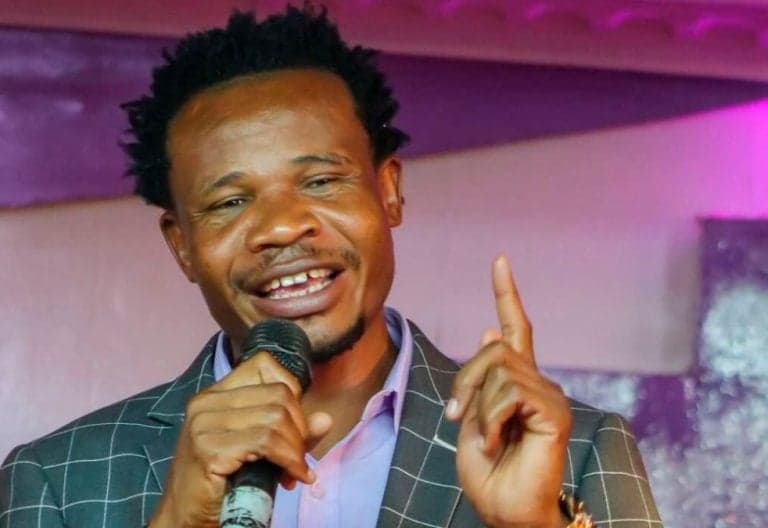
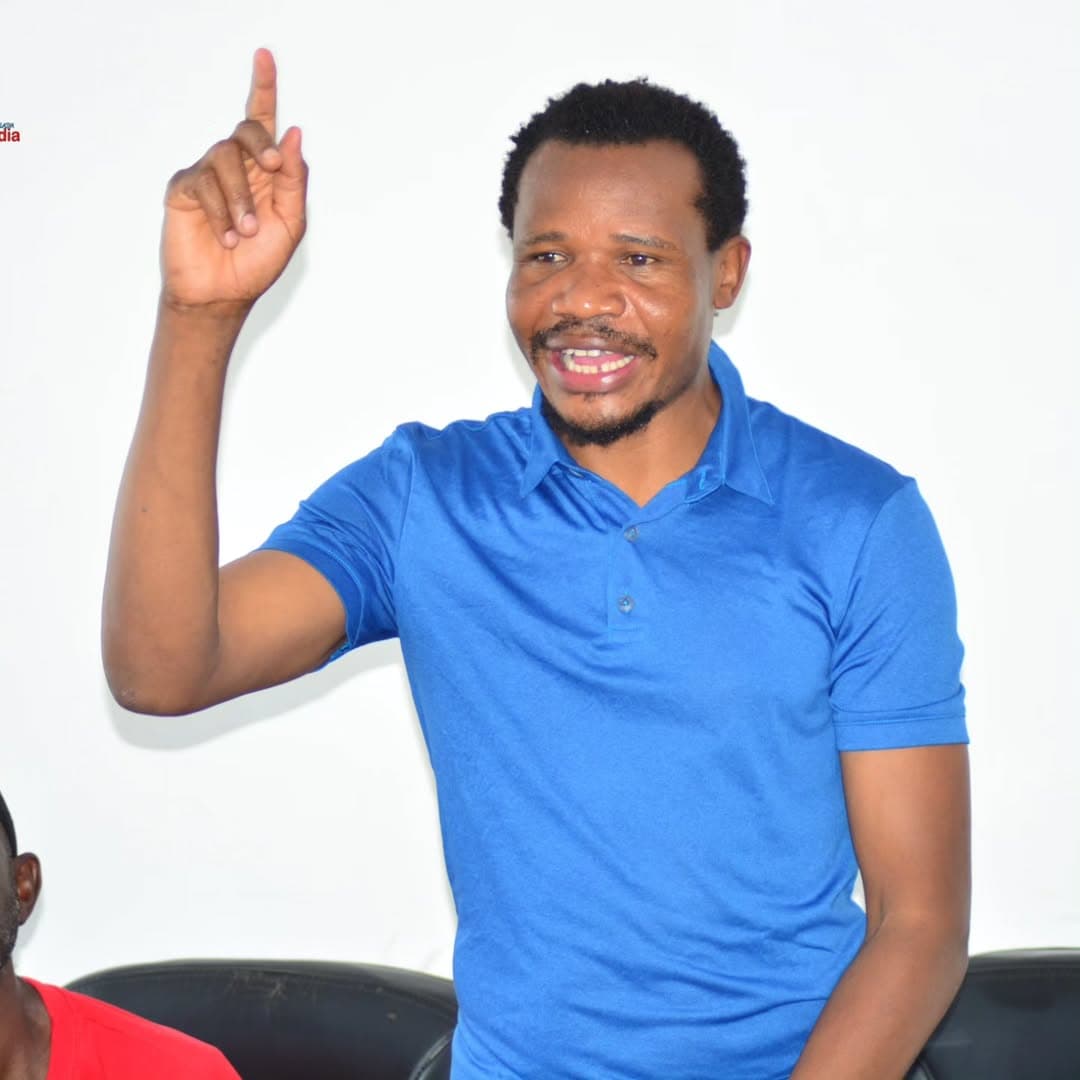
In the high-stakes arena of Kenyan presidential politics, where campaigns are traditionally built on deep-pocketed coalitions and dynastic alliances, the Member of Parliament for Mumias East, Peter Salasya, is charting a path that defies the conventional script. Standing before a crowd in a rural corner of Kakamega, his voice amplified by a modest speaker, Salasya articulates a vision not defined by the weight of party endorsements or the backing of political heavyweights, but by the raw, often chaotic, pulse of grassroots grievance. For Salasya, the 2027 general election is not merely a contest of power—it is a referendum on the entrenched status quo that he claims has alienated the ordinary citizen.
The significance of Salasya’s declaration lies less in the mathematical probability of his victory and more in what his candidacy represents for a changing political landscape. As Kenya approaches the 2027 cycle, the nation finds itself grappling with intense economic pressure, a shifting electorate, and a profound sense of political fatigue among the youth. While seasoned political veterans focus on party realignments and coalition-building, Salasya’s bid serves as a disruptive force, testing the resilience of traditional power structures. His campaign is a calculated gamble, attempting to leverage his social media influence and populist appeal to bypass the bureaucratic and financial barriers that typically restrict the presidency to the political elite.
Peter Salasya’s ascent from a university graduate with humble beginnings to a vocal and visible member of the National Assembly is a narrative of relentless, if unconventional, engagement. Since his election in 2022 on a Democratic Action Party–Kenya ticket, he has distinguished himself through a style of politicking that eschews the decorum of the parliamentary frontbench in favor of a constant, noisy presence in both the public square and digital spaces. His stated agenda—focused on the revival of regional sugar industries, youth employment, and a fundamental restructuring of the economy to favor production over taxation—resonates with a specific segment of the population that feels left behind by current policy.
However, the transition from a vocal backbencher to a serious presidential contender is a chasm that few outsiders have successfully bridged. Critics and political analysts point to his lack of a national party machine as a critical vulnerability. In Kenya, presidential campaigns are logistical nightmares, requiring hundreds of millions, if not billions, of shillings in resources to cover 47 counties. While Salasya claims his movement is one of the people and not one of wealthy patrons, the political reality is that a national campaign requires significant capital. As he continues to traverse the country, he must contend with the skepticism of those who view his candidacy as a spoiler in a race dominated by more established political behemoths.
Running for the highest office in the land is a capital-intensive endeavor that tests the financial limits of even the most established political parties. Recent deliberations in the National Assembly regarding the Independent Electoral and Boundaries Commission (IEBC) budget for 2027 provide a sobering reality check for any candidate, including Salasya. The electoral commission has proposed a budget approaching KES 63.9 billion to facilitate the election, a figure that has already sparked fierce debate among lawmakers concerned about the country's fiscal space. For an independent or third-party aspirant, the logistics of mobilizing support, coordinating polling agents, and ensuring campaign reach across Kenya's vast geography presents an insurmountable challenge.
Furthermore, the constitutional barriers are rigorous. To be cleared for the ballot, a candidate must prove broad-based support, a task that demands deep-rooted local networks across the country. Salasya’s challenge is to convert his digital popularity into a structured, nationwide voting bloc. Without a seasoned campaign team, an established national network, and the financial reserves to compete with the likes of the United Democratic Alliance (UDA) or other emerging coalitions, his path forward remains narrow.
The 2027 election cycle is poised to be one of the most unpredictable in Kenya's history. The passing of prominent political figures and the fracturing of traditional party alliances have left a vacuum in leadership that many are scrambling to fill. In this climate, figures like Salasya offer a form of political theater that, while sometimes dismissed as performative, captures a specific vein of voter frustration. His calls for fresh leadership, devoid of the baggage of historical political rivalries, appeal to a younger demographic that is increasingly disillusioned with the performance of both government and opposition.
Yet, the political machinery of Kenya is notoriously adept at absorbing or neutralizing such disruption. Candidates who emerge from outside the traditional inner circles often find that they must align with broader coalitions to survive the first round of voting. Whether Salasya intends to maintain his candidacy as a standalone effort or as a negotiating chip in a larger alliance remains to be seen. If he persists as an independent voice, he will be a fascinating barometer of how much the Kenyan electorate is willing to look past the political establishment and toward leaders who speak the language of the street, even if they lack the polish of the boardroom.
As the campaign season approaches, the question is not whether Peter Salasya will become the sixth president, but whether his candidacy will successfully shift the discourse of the 2027 election. If he can force the established candidates to address the granular, everyday concerns of his constituents—the cost of building materials, the price of agricultural inputs, and the dignity of youth employment—he may find that his influence far outlasts his presence on the ballot. Ultimately, the ballot box will decide the victor, but the voices of those like Salasya ensure that the conversation will not be dictated solely by the architects of the status quo.
Keep the conversation in one place—threads here stay linked to the story and in the forums.
Sign in to start a discussion
Start a conversation about this story and keep it linked here.
Other hot threads
E-sports and Gaming Community in Kenya
Active 9 months ago
The Role of Technology in Modern Agriculture (AgriTech)
Active 9 months ago
Popular Recreational Activities Across Counties
Active 9 months ago
Investing in Youth Sports Development Programs
Active 9 months ago
Key figures and persons of interest featured in this article