We're loading the full news article for you. This includes the article content, images, author information, and related articles.
Kenyan livestock farmers are bracing for a devastating financial hit as a severe shortage of essential raw materials triggers a 45 percent surge in feed costs.
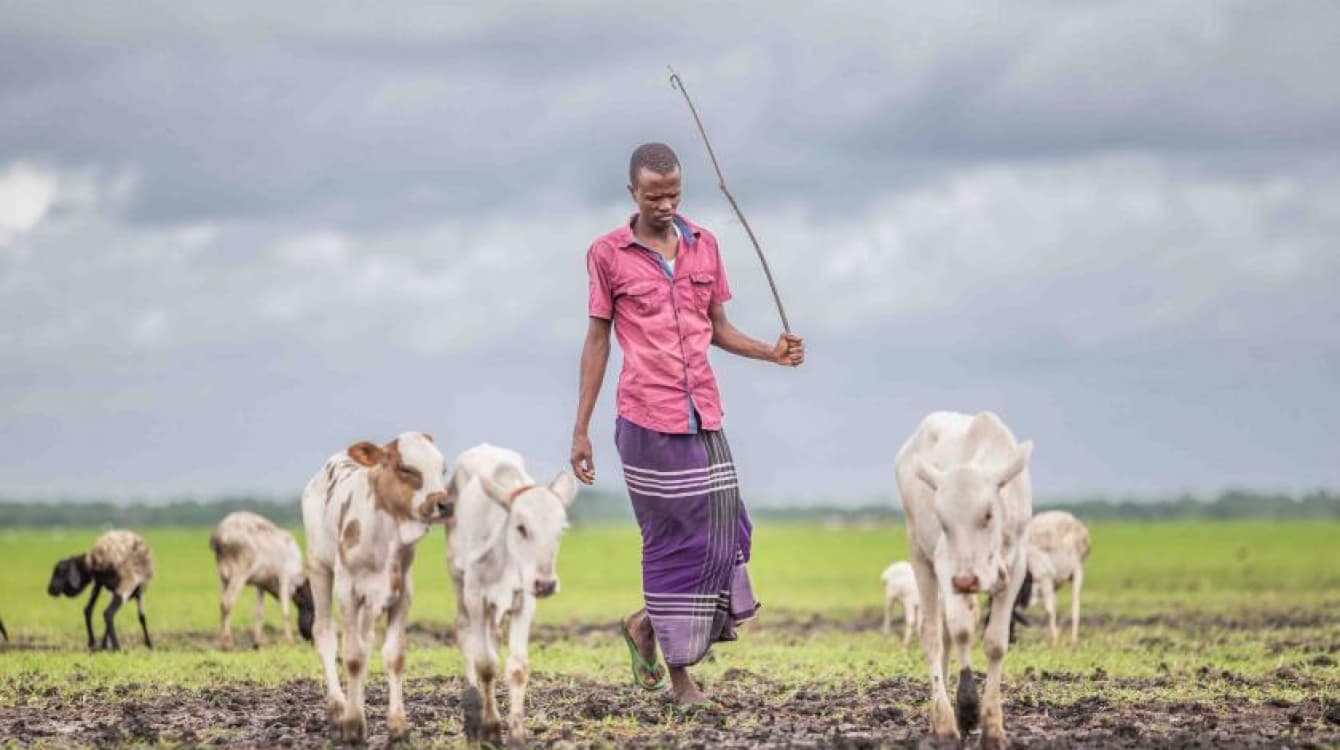
Kenyan livestock farmers are bracing for a devastating financial hit as a severe shortage of essential raw materials triggers a 45% surge in the cost of animal feed.
The foundation of Kenya's agricultural economy is cracking under the pressure of supply chain failures. A critical deficit in protein-rich ingredients is driving production costs to unsustainable highs.
For the average Kenyan consumer, this crunch directly translates to soaring retail prices for milk, eggs, and meat. Without immediate state intervention, the nation faces a looming food security crisis exacerbated by an embattled farming sector.
According to the Association of Kenya Feed Manufacturers (AKEFEMA), the industry is starved of crucial raw materials, primarily maize germ, soybean meal, canola, and sunflower cake. Kenya relies heavily on local milling by-products for energy sources, while importing the bulk of its soybean meal. Fluctuating global markets and punishing foreign exchange rates have severely constrained these imports.
The numbers paint a grim picture. Since January 2025, the price of maize—which accounts for nearly 40% of standard feed composition—has skyrocketed by 45%. Consequently, a standard 70-kilogram bag of dairy or layers mash now averages KES 3,500.
Animal feed constitutes 60 to 70 percent of total livestock production costs. The current price inflation is forcing farmers into desperate measures.
Amidst the gloom, Agriculture Cabinet Secretary Mutahi Kagwe and PS Jonathan Mueke recently commissioned a KES 3 billion De Heus Kenya Livestock Feed factory in Athi River. Boasting an annual capacity of 240,000 tonnes, the facility aims to stabilize supply through automated, high-quality production.
"For too long, feed has felt like a gamble," stated De Heus MD Wiehan Visagie. However, industry experts maintain that until the government waives import duties on raw materials and reevaluates the ban on genetically modified (GM) crops, state-of-the-art factories will still struggle to source affordable ingredients.
Keep the conversation in one place—threads here stay linked to the story and in the forums.
Sign in to start a discussion
Start a conversation about this story and keep it linked here.
Other hot threads
E-sports and Gaming Community in Kenya
Active 9 months ago
The Role of Technology in Modern Agriculture (AgriTech)
Active 9 months ago
Popular Recreational Activities Across Counties
Active 9 months ago
Investing in Youth Sports Development Programs
Active 9 months ago
Key figures and persons of interest featured in this article